
These are the most popular AI wearables and gadgets you should know about.
AI wearables became pendants, rings, and wristbands with recording, companion, and productivity features, varied privacy controls, and subscriptions.
Key Takeaways
- AI wearables are moving into the mainstream as always-on companions, with pendants, rings, wristbands, and handheld devices designed to listen, record, transcribe, and interact with users.
- The market is splitting into different product roles: productivity and meeting-recording devices, emotional-support companions, personal-growth tools, and task-focused assistants.
- Pricing shows a mix of affordable hardware and subscription-driven AI features, with devices ranging from around $50 to $250 and monthly plans that expand transcription, summaries, or assistant capabilities.
- Privacy is a major theme and point of criticism: some devices include mute buttons or default-off microphones, but the “always listening” concept has raised concerns about surveillance.
AI wearable devices have moved from concept demos to store shelves, with pendants, rings, and wristbands competing to become the always-on interface between users and AI assistants. The category now spans budget recording pendants, emotional-companion devices, and productivity tools — and even OpenAI is working on a compact AI companion device, according to the source material. What follows is a chronological look at how the market took shape, which devices define it, and what their pricing and subscription models reveal about where the category is heading.
Background: The always-on assistant promise
The pitch behind these devices is consistent: instead of pulling out a phone, users wear a device that listens, records, transcribes, and summarizes. Some are positioned as productivity tools for professionals; others claim to act as friendly companions that listen to everyday thoughts. Privacy controls vary — some devices ship with mute buttons or microphones that stay off by default — but the criticism has followed the category, most visibly in the backlash against one company's subway advertising campaign in New York City, where ads were vandalized with messages like "surveillance capitalism."
Development: The devices and their pricing
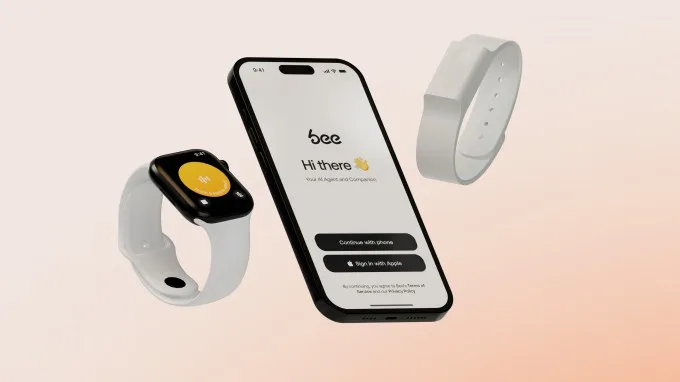
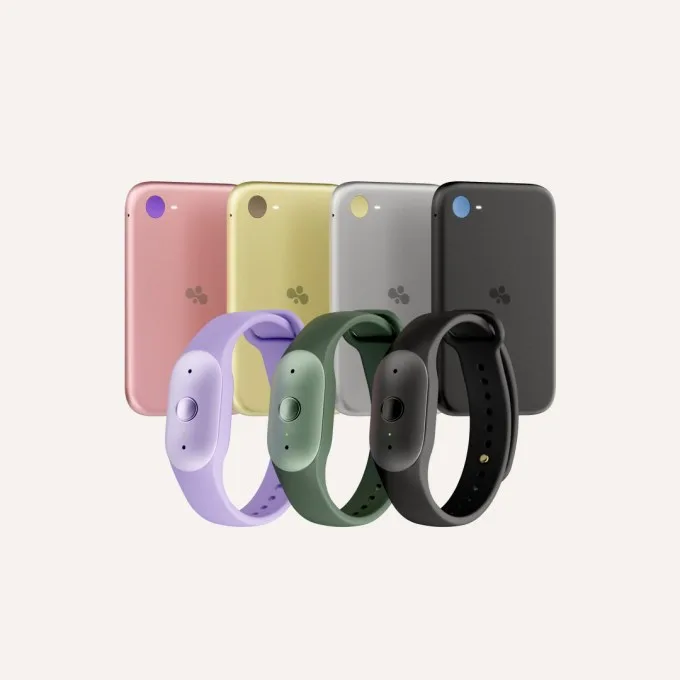
Bee is an affordable pendant priced at $49.99 that can be clipped to clothing or worn like a fitness band. It records what it hears and learns routines and preferences to create reminders and notes, and it includes a mute button for privacy. The companion app, currently available only on iOS, comes with a $19 monthly subscription and allows users to interact with Bee directly, ask questions, get key takeaways from the day, and view chronological transcripts of conversations. Amazon acquired the wearables startup in July 2025 and launched its first new products earlier this month: the Bee Frontier at $74.99, worn on the wrist or clipped to clothing, and the Bee Eclipse at $99.99, a credit-card-sized device that attaches magnetically to the back of a smartphone. Both offer the same core functionality as the previous generation, positioning Bee as a more affordable alternative to devices such as the Plaud Note and Plaud NotePin, and users can choose to connect Bee to Alexa.
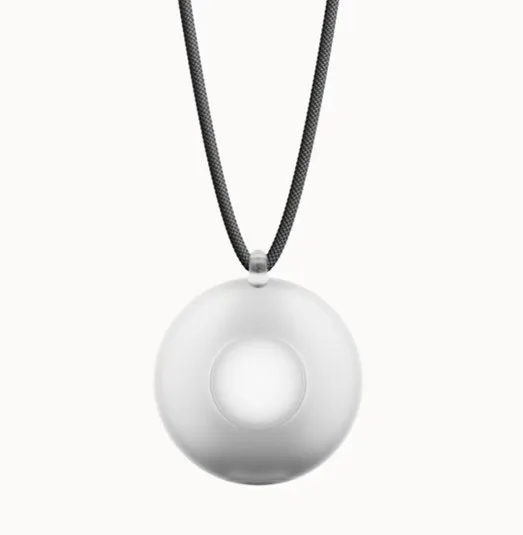
Friend is among the most hyped entrants in the "personal AI" device market. The $129 white pendant hangs around the neck and functions as an emotional support companion, recognizing tone and mood and allowing users to chat with it as if it were a friend. It connects to a phone via Bluetooth and constantly listens, ready to respond or send proactive messages, such as wishing a user good luck before an interview. The company recently unveiled "Friend 2.0," adding a built-in speaker that allows the device to communicate with users and express a more distinctive personality.
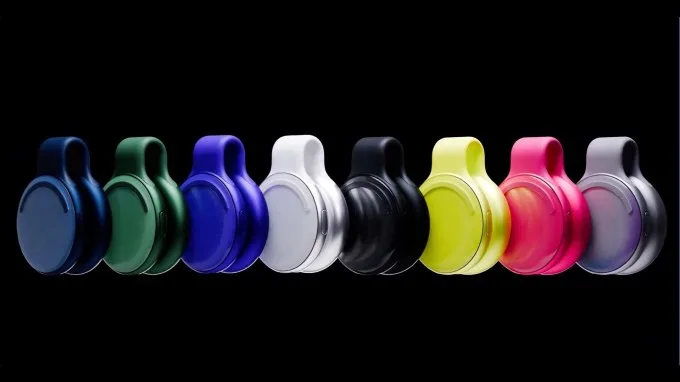
Limitless, formerly known as Rewind, is another conversation-recording pendant priced at $99. It continuously listens, transcribing meetings, calls, and conversations (with consent) into searchable and summarized knowledge — pitched at professionals, especially journalists, who need to recall important discussions. The companion app includes 10 hours of AI features per month, such as transcription and summaries, with unlimited features available for $29 per month.
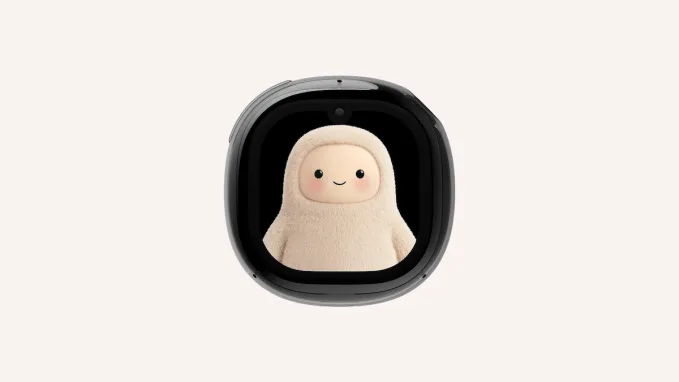
Muse Charm is Meta's first AI wearable, introduced in September as a new way for users to access its personal AI assistant, Muse. The device has not yet shipped, but it is expected to feature Jolly, a playful digital avatar representing the assistant. It is housed in a pocket-sized device that can be carried or attached to a keychain and includes a miniature display showing the avatar; users will interact with Muse through voice commands and have it complete tasks.
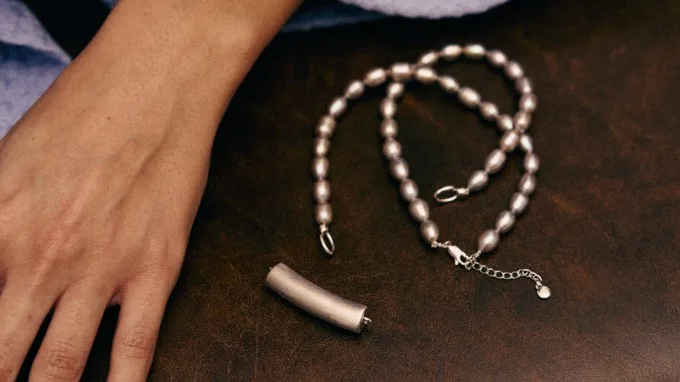
Nirva, founded by former Meta Reality Labs employees, focuses on personal growth rather than productivity or meeting notes. Worn as a pendant or bracelet, it listens to the wearer's speech and uses AI to turn everyday experiences into a personal journal, helping users understand their emotions, communication style, and habits. Through the companion app, users can explore behavioral patterns and gain insights into how they communicate. Nirva plans to open orders in November, with shipments to early users targeted for the end of the year, at $249.
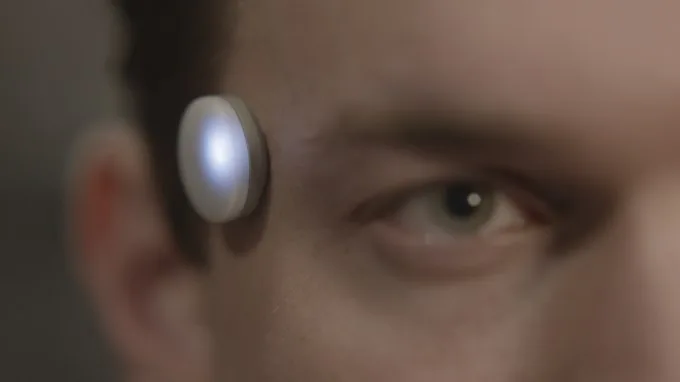
Omi, priced at $89, answers questions, summarizes conversations, creates to-do lists, and helps schedule meetings. It constantly listens and runs conversations through ChatGPT, allowing it to remember context and offer personalized advice. It can be worn as a necklace, or attached to the side of the head with medical tape, and it can detect when a user is speaking to it.
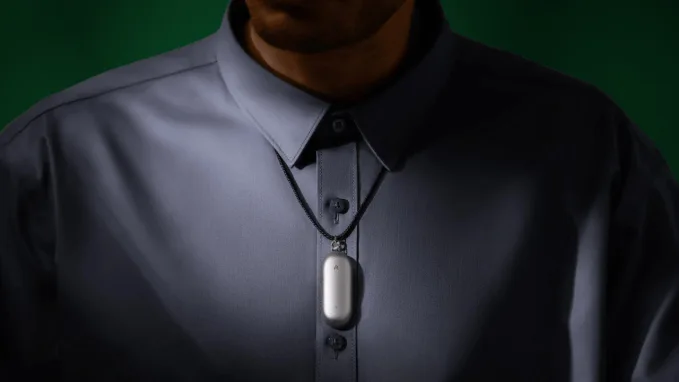
Plaud's NotePin at $159 is among the pricier options, but its built-in AI transcription and summarization make it valuable for lawyers, journalists, and students in meetings or lectures. The tiny wearable voice recorder can be worn on the wrist or attached magnetically to clothing, and recordings save in real time on a phone. It includes 300 free monthly transcription minutes, upgradeable to 1,200 minutes with the $8.33 per month Pro plan. The company is preparing to launch a $179 ultra-thin note-taking device called the Plaud Note Pro, now available for preorder.
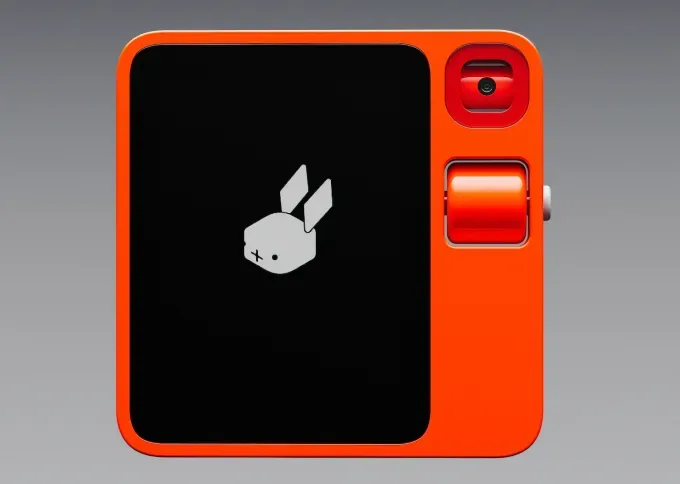
Rabbit R1 is a small, retro-styled handheld with a touchscreen and rotating camera at $199. Designed to be phone-adjacent, it handles tasks such as booking flights, ordering meals, and controlling apps without pulling out a phone. Following a crucial software update that rectified previous performance issues, it now offers expanded AI features, including "Creations," which lets users build their own tools and even games.
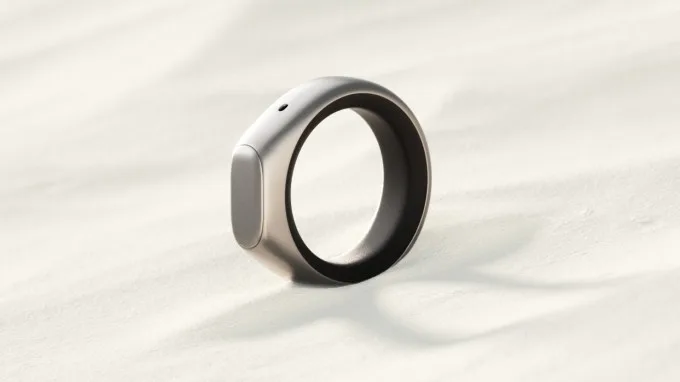
Sandbar emerged from stealth last year with the Stream ring, an AI wearable for note-taking. It features a built-in microphone that remains off by default and can be activated through a flat, touch-sensitive surface on the top of the ring. By pressing and holding the panel, users can record notes, interact with an AI assistant through the companion smartphone app, and manage media playback, including playing, pausing, skipping tracks, and adjusting volume. The Stream ring is expected to launch this summer at $299, with silver and gold finishes available.
Latest progress: Consolidation and the subscription question
The most significant structural shift came in July 2025, when Amazon acquired Bee, and the first products under Amazon's ownership arrived earlier this month — the $74.99 Bee Frontier and $99.99 Bee Eclipse. That move signals consolidation: a major platform owner absorbing a small wearable startup and repositioning its hardware as a cheaper alternative to established players like Plaud, with an optional link to Alexa. Meanwhile, Friend's "Friend 2.0" update and Meta's not-yet-shipped Muse Charm show companies iterating on personality and form factor rather than just transcription. Pricing across the category now ranges from $49.99 to $299, and subscription tiers range from $8.33 to $29 per month, meaning the real cost of ownership extends well beyond the hardware.
What to watch next
Two questions will shape the next phase. First, whether Amazon's ownership pushes Bee toward tighter Alexa integration and broader distribution, which would pressure standalone pendant makers on price. Second, whether subscription fatigue sets in as devices layer monthly fees on top of hardware costs — a dynamic already visible in the spread from Plaud's $8.33 plan to Limitless's $29 unlimited tier. Upcoming launches to track include Nirva's November order window and year-end shipments, Meta's Muse Charm, and the Stream ring's expected summer launch at $299. Privacy scrutiny, meanwhile, remains the category's unresolved risk, as the NYC ad vandalism showed.
Comments
No comments yet. Be the first to comment.