
Meta's Muse Charm may resemble a Tamagotchi, but it's actually riding a far more recent trend
Meta's Muse Charm is a pocket-sized wearable AI gadget that doubles as a customizable bag charm, tapping into the booming Gen Z accessory market fueled by Labubu, Rhode lip cases, and Apple Watch keychains, plus the retro-tech revival. While the trend alignment is strong, Meta faces skepticism over its privacy record, past FTC penalties, and the failure of earlier AI hardware like Humane Ai Pin. Its success hinges on whether consumers accept Meta's personalized-advertising business model for free AI.
Meta's newly announced Muse Charm has landed in a market that is either perfectly primed for it or hopelessly saturated, depending on who you ask. The small, wearable AI gadget doubles as a customizable bag charm, and early reactions are split between seeing it as an approachable entry point for consumer AI and dismissing it as the next in a line of hardware misfires like the Humane Ai Pin, the Rabbit device, and the Friend pendant. What nobody disputes: Meta is deliberately riding one of the strongest consumer trends of the moment.
The Bag Charm Boom It Taps Into
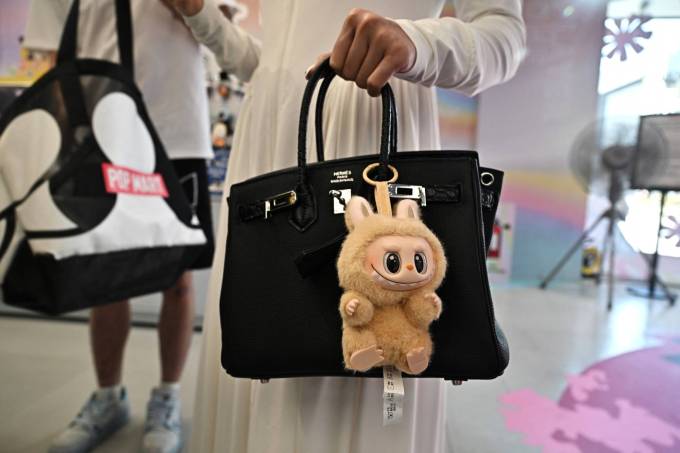
Gen Z, particularly young women, have turned dangling accessories into a genuine market. Products as varied as lip glosses, sunscreens, fragrances, and hand sanitizers are now sold as bag charms. Hailey Bieber's Rhode lip case, which attached gloss directly to a phone case, helped cement the idea that beauty products can double as fashion — a lineup of roughly 10 products generated $212 million in annual net sales before the brand's billion-dollar sale to Elf Beauty.
Then came Labubu, the fuzzy monster charm whose runaway popularity drove Chinese retailer Pop Mart's revenue to $1.8 billion in 2024, a 7x jump from 2019. Even though Labubu demand has since cooled, analyst firms project the global bag charm market will exceed $1 billion by 2030. Coach's cherry charms remain a Gen Z favorite.
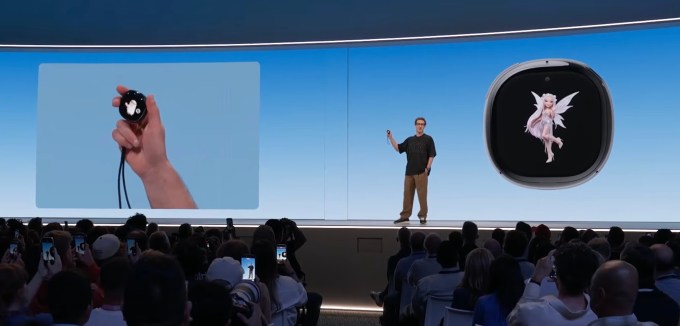
The Muse Charm fits neatly into this world. Users design their own avatar, making the AI agent a personal reflection — and the pocket-sized gadget inevitably draws comparisons to the Tamagotchi craze of the late 90s and mid-2000s.
Why an Apple Watch Keychain May Be the Better Analogy
The closer reference, though, may be what young people are already doing with old Apple Watches. TikTok videos showing watches repurposed as keychains and charms have fueled demand, and retailers like Amazon, Walmart, eBay, and Etsy now stock thousands of Apple Watch keychains, straps, pendants, lanyards, clips, and charm cases. Many younger women adopt these as fashion accessories first, technology second.
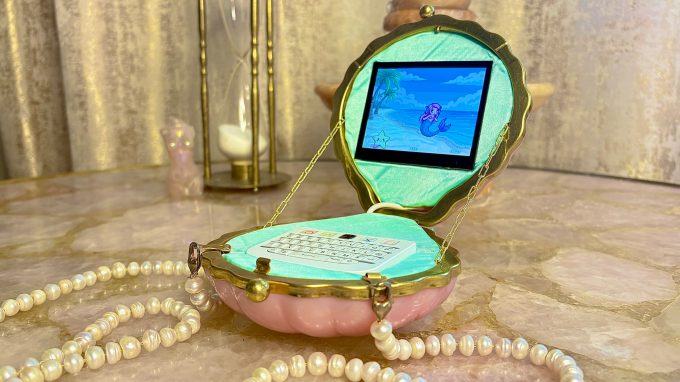
This intersects with a broader retro-tech revival — digital cameras, flip phones, iPods, CDs, cassette tapes, wired earbuds — driven by young people who describe algorithm-driven feeds as "soulless" and crave tech they can physically touch. Startups like Clicks are even reviving the physical phone keyboard. Some women build their own bedazzled "cyberdecks" in clamshell purses, decorating them with pearls, flowers, and stickers.
The Trust Problem Meta Carries
Trend alignment is no guarantee of success, and Meta brings considerable baggage. The FTC settlement over deceiving consumers about private information, repeated privacy penalties, a 2023 FTC charge for violating the privacy order filed after the 2019 settlement, congressional hearings over harms to minors, and multiple whistleblower disclosures have eroded consumer trust.
Meta's endgame is highly targeted, highly personalized advertising, monetized through a small fee on transactions. The question now is whether consumers will accept that privacy tradeoff for free AI — or whether familiarity with Meta, flawed as it is, beats newer AI hardware rivals in their eyes.
Comments
No comments yet. Be the first to comment.