
Muse bears a striking resemblance to OpenClaw
Meta's consumer AI agent Muse quickly reached an estimated 600,000 daily active US users after launch. Social media users claim Muse was built on OpenClaw, citing identical core files like SOUL.md and memory components. Neither company has confirmed the relationship. Meanwhile, the AI agent market is booming, with Instinct raising funds at a $2.5 billion valuation, and early open-source architectures shaping industry standards.
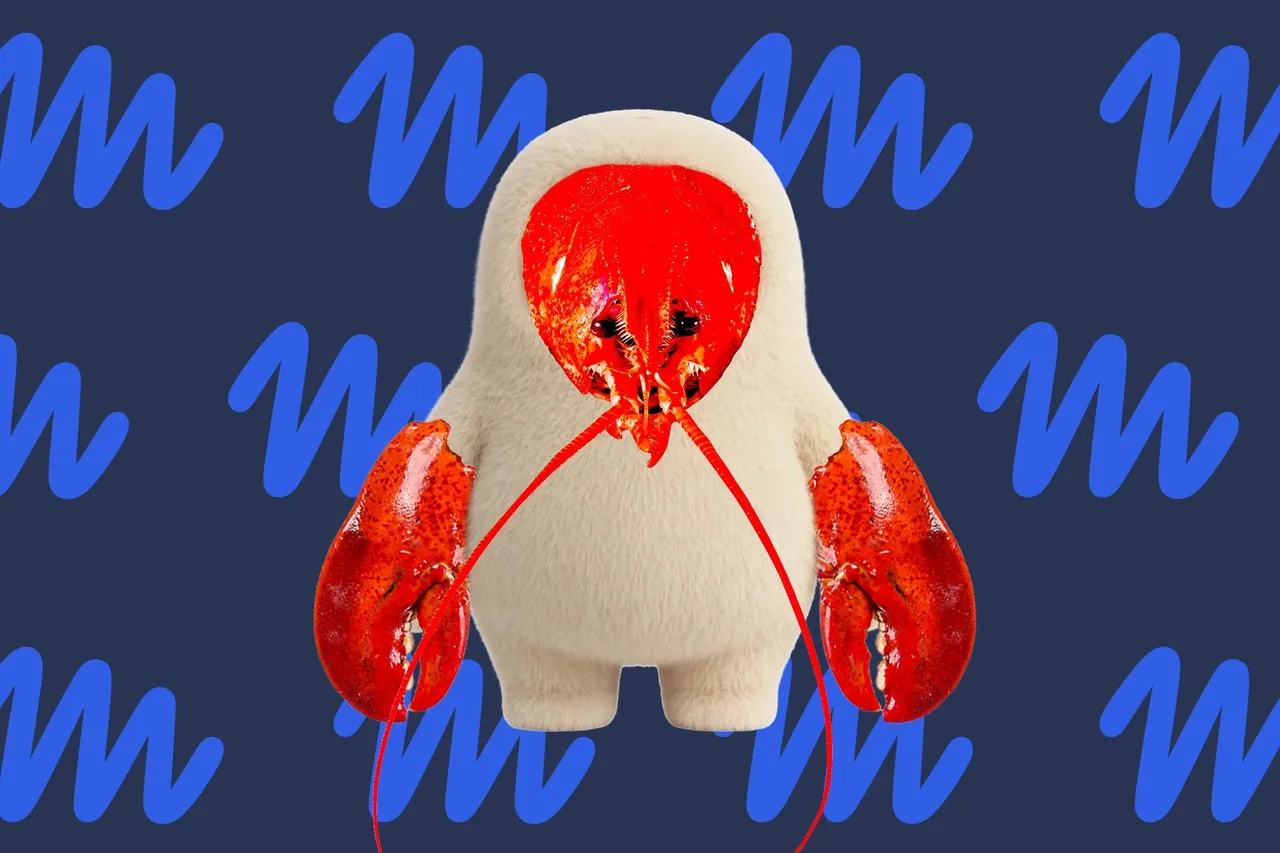
Meta's consumer AI agent Muse hit the App Store charts right after launch and now counts an estimated 600,000 daily active users in the US, according to Apptopia. But alongside that growth, a debate has emerged: some social media users claim Muse is directly built on OpenClaw, the platform that kicked off the current AI agent wave.
The Claims
Over the past week or so, observers on social media have pointed to what they see as evidence of OpenClaw's DNA inside Muse. The two platforms reportedly use identical names for core files, including SOUL.md and memory-related components — similarities that some argue go beyond coincidence for a product of this scale.
Neither Meta nor OpenClaw's maintainers are quoted making formal statements in the reporting so far, so the exact nature of the relationship — inspiration, convention, or direct reuse — remains unconfirmed.
The Bigger Picture: An Agent Renaissance
Muse's launch lands amid what looks like an AI agent renaissance. Another sign of momentum: Instinct, an AI agent platform created by its eponymous founder, is raising funds at a $2.5 billion valuation and has been generating buzz across the tech industry.
The pattern suggests agents have moved from niche developer tools to mainstream consumer products — and that architectural choices made by early platforms like OpenClaw are shaping the entire category.
Why the File-Level Details Matter
Core configuration and memory files like SOUL.md define how an agent stores personality, instructions, and long-term context. If competing consumer agents adopt the same conventions, it hints at how quickly open-source agent architectures can become de facto industry standards — and raises questions about attribution and licensing when that happens.
Where Things Stand
Muse is growing fast, the OpenClaw lineage claims are circulating without official confirmation, and the agent market is attracting billion-dollar valuations. Watch for whether Meta or OpenClaw's team addresses the build question directly — and whether file-level conventions become a formal standard across consumer agents.
Comments
No comments yet. Be the first to comment.