
Shield AI, Waabi, and General Motors discuss developing AI where failure is never an option at TechCrunch Disrupt 2026
At TechCrunch Disrupt 2026 (October 13–15, San Francisco), leaders from Shield AI, Waabi, and General Motors will join a panel titled "Building AI Systems When Failure Is Not an Option." They will discuss how autonomous systems in defense aviation, driverless trucks, and industrial robotics can be safely validated, tested, and deployed, covering safety culture, regulatory navigation, and earning user trust when AI mistakes have real-world consequences.
An AI chatbot delivering a poor answer is one thing; an AI system flying an aircraft or driving a vehicle failing is another entirely. When AI leaves the lab and enters the physical world, mistakes can ground aircraft, cause crashes, or derail missions. That gap between "almost ready" and actually ready is the focus of a panel at TechCrunch Disrupt 2026, where leaders from Shield AI, Waabi, and General Motors will share how they decide when autonomous systems can safely deploy.
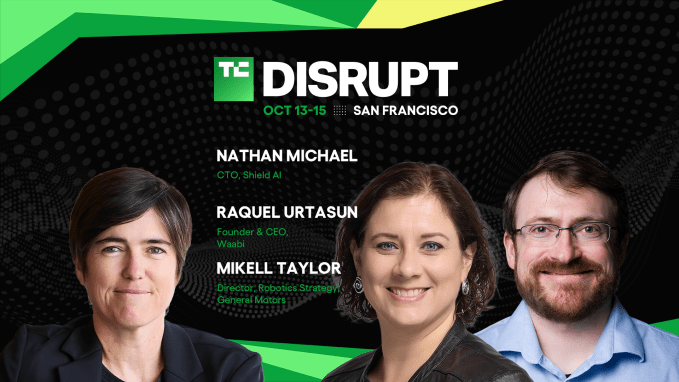
The panel: three sectors, one question
Nathan Michael, CTO of Shield AI; Waabi founder and CEO Raquel Urtasun; and Mikell Taylor, Director of Robotics Strategy at General Motors, will appear on the Real World AI Stage in a session titled "Building AI Systems When Failure Is Not an Option." Expected topics include building a safety culture, testing and validation, regulatory navigation, and earning trust — the decisions that separate a promising system from one ready for the real world.
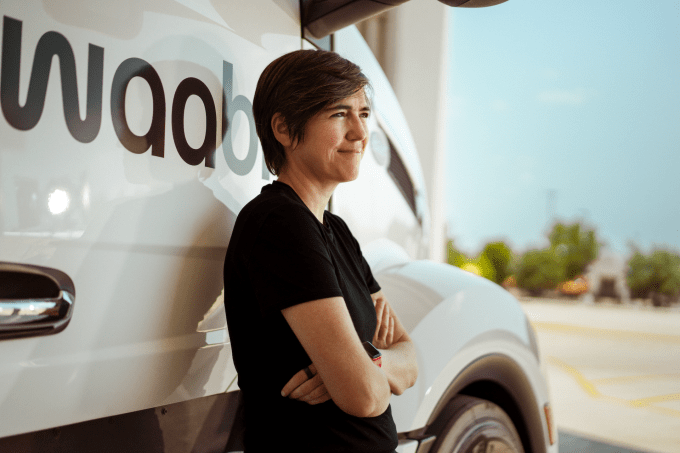
Defense: autonomy for combat aircraft prototypes
Michael leads development of Hivemind, Shield AI's platform-agnostic mission autonomy software. His background spans AI, control, perception, and multi-robot systems, including years at Carnegie Mellon University's Robotics Institute directing the Resilient Intelligent Systems Lab.
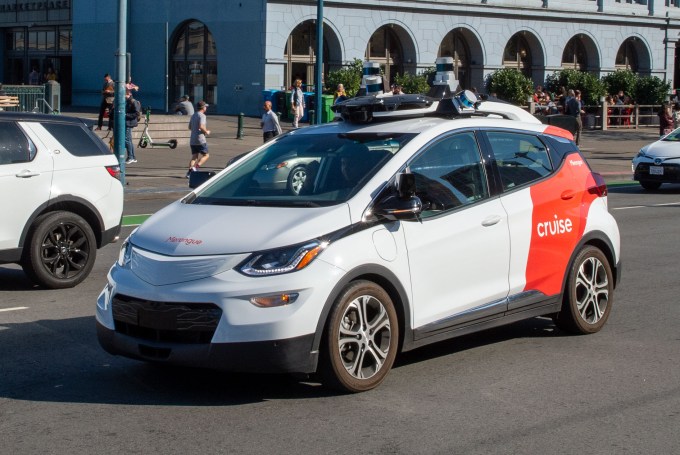
In February, Hivemind was selected as an autonomy provider for the U.S. Air Force's Collaborative Combat Aircraft drone prototype program. A month later, Shield AI announced $1.5 billion in Series G funding at a $12.7 billion post-money valuation.
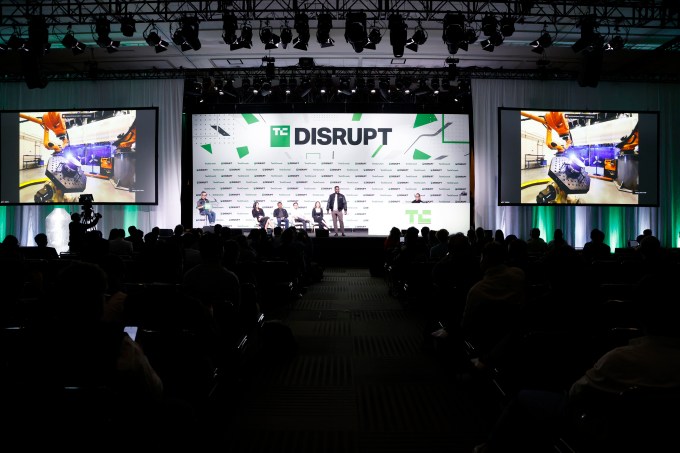
Autonomous driving: validation before driverless trucks
Urtasun has spent 25 years in AI and autonomous vehicles, previously serving as chief scientist and head of R&D at Uber ATG. She is a professor at the University of Toronto, co-founded the Vector Institute for AI, and has published more than 200 AI papers.
In January, Waabi raised $1 billion and announced a partnership with Uber to deploy 25,000 or more robotaxis powered by the Waabi Driver. Central to its approach is the Waabi World simulator, which trains, tests, and stress-tests the system virtually — though Urtasun has said the company's autonomous trucks still need full validation before driverless deployment.
Industrial robots: designing for humans from day one
Taylor has spent more than two decades building robots, currently leading robotics strategy for GM's Autonomous Robotics Center. Previously she led the Amazon Robotics team behind Proteus, Amazon's first autonomous mobile robot. Her career ranges from autonomous underwater vehicles to industrial systems — and once a robotic senior prom date. Her focus on robots that work reliably around people highlights a key lesson: user experience and adoption must be built into product design and deployment planning from the start.
What to watch
The session runs as part of Disrupt, October 13–15 at Moscone West in San Francisco, featuring 200+ sessions across six industry stages, 250+ speakers, 300+ exhibiting startups, and more than 10,000 expected attendees. Discounted passes — up to $200 off, plus a second pass at 50% off select ticket types — are available until September 25 at 11:59 p.m. PT, after which prices rise.
Comments
No comments yet. Be the first to comment.