
A few things I'd like to ask Mark Zuckerberg
Following Meta's Connect conference and the well-received Muse AI agent, Mark Zuckerberg gave interviews that reveal contradictions in his positions. His defense of recording glasses ignores how passive recording changes social norms, and Meta already down-ranks harassing glasses-made videos. On the multi-billion dollar teen safety settlement, he frames heavy usage as satisfaction despite addiction claims, while Meta's transparency efforts punish it competitively—a prisoner's dilemma regulators could solve through industry-wide disclosure requirements.
Meta launched its Connect conference on Wednesday, and the new Muse AI agent appears to be an early hit — reportedly surprisingly good in early use. CEO Mark Zuckerberg has spent the week giving victory-lap interviews, including one with Alex Heath on the Sources podcast after declining a Decoder interview request. Reviewing that conversation reveals clear gaps in what Meta's CEO is saying about recording glasses, harassment, and a multi-billion dollar teen safety settlement.
Connect Kickoff and the Muse Debut
The week began with Meta's Connect conference on Wednesday, where the Muse AI agent drew positive early attention. Zuckerberg, riding the momentum, sat for interviews — but Meta declined Decoder's request, leaving Alex Heath's Sources podcast as the main venue for scrutiny.
Meta Glasses and the "It's Just Like a Phone" Framing
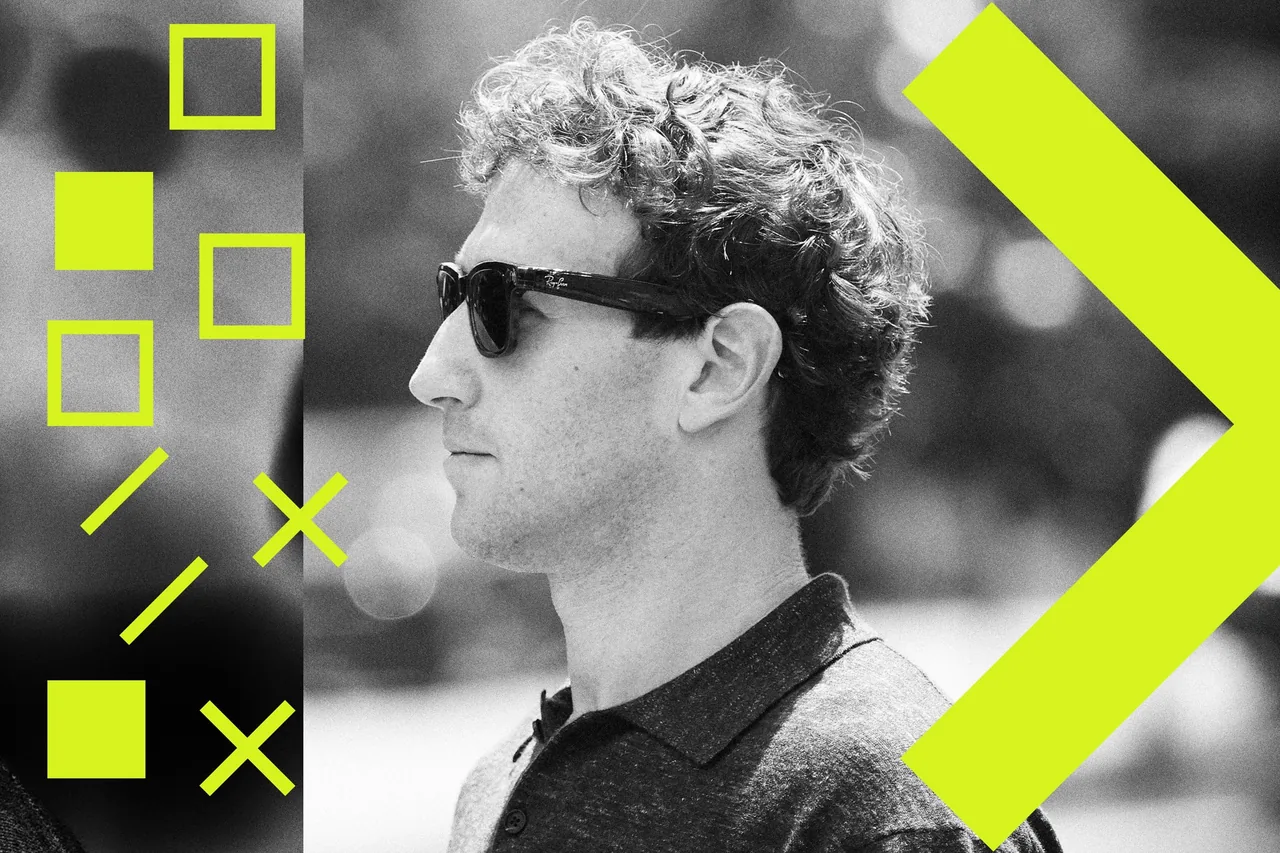
On the Meta Glasses recording light, Zuckerberg argued: "phones don't have a light, but I mean, people go around recording people all the time." The counterargument is straightforward: recording with a phone requires a deliberate physical act — taking it out, opening the camera, pointing it at someone — which announces intent. Glasses with a passive recording light remove that announcement entirely.
There's also precedent for why new norms matter. Smartphone recording reshaped society — the Black Lives Matter movement depended on the ability to record police, and society still hasn't settled what to do with that. Meta itself knows glasses are being used to harass retail workers and women, and has started down-ranking those videos on Instagram to reduce the incentive to make them. The obvious question: if content made with these glasses is bad enough to down-rank on your own platform, what makes the glasses worth it?
Zuckerberg's answer — that Meta communicated clearly about the light years ago, but "many, many, many millions" of new buyers never saw or forgot that messaging — sidesteps a basic truth of consumer tech: users define the product. Twitter didn't invent hashtags or @ replies; users did. The way millions of people actually use Meta Glasses, not Meta's original intentions, will shape what the product becomes.
Teen Safety, the Settlement, and the Prisoner's Dilemma
On the recent multi-billion dollar teen safety settlement, Zuckerberg said Meta "took those issues seriously for a while" and worked on Instagram teen accounts for a long time, adding that people "showing that by using the product so much they still like the products" demonstrated their satisfaction. But the lawsuits claim social media is addictive — the very comparison to Big Tobacco turns on usage being enjoyable despite harm.
A harder dynamic lurks underneath: Meta publishes safety research and transparency reports, then gets punished for revealing bad things happen — while Apple, which can't see what happens on encrypted iCloud, publishes nothing and faces no such criticism. Internal emails revealed in the lawsuits show Zuckerberg himself questioned the value of doing research Meta gets punished for.
His proposed fix for usage limits is a classic prisoner's dilemma: "If people don't use Instagram for more than an hour a day, but then their usage goes to TikTok, have we really helped anyone and we've just hurt ourselves to not help anyone?" The settlement, notably, contains behavior controls and product restrictions — but no industry-wide transparency requirement, which is arguably what regulators would need to judge Meta against peers rather than punish it for disclosure alone.
What to Watch Next
Meta is riding high on Muse at Connect, but the unresolved questions follow a familiar pattern: voluntary safety measures that punish transparency, and hardware whose misuse Meta already moderates downstream. The next wave of interviews — and any regulator examining industry-wide teen safety rules — should press on whether disclosure can be made a shared obligation rather than a competitive liability.
Comments
No comments yet. Be the first to comment.