
Jensen Huang discusses AI and climate change as if he were a movie villain
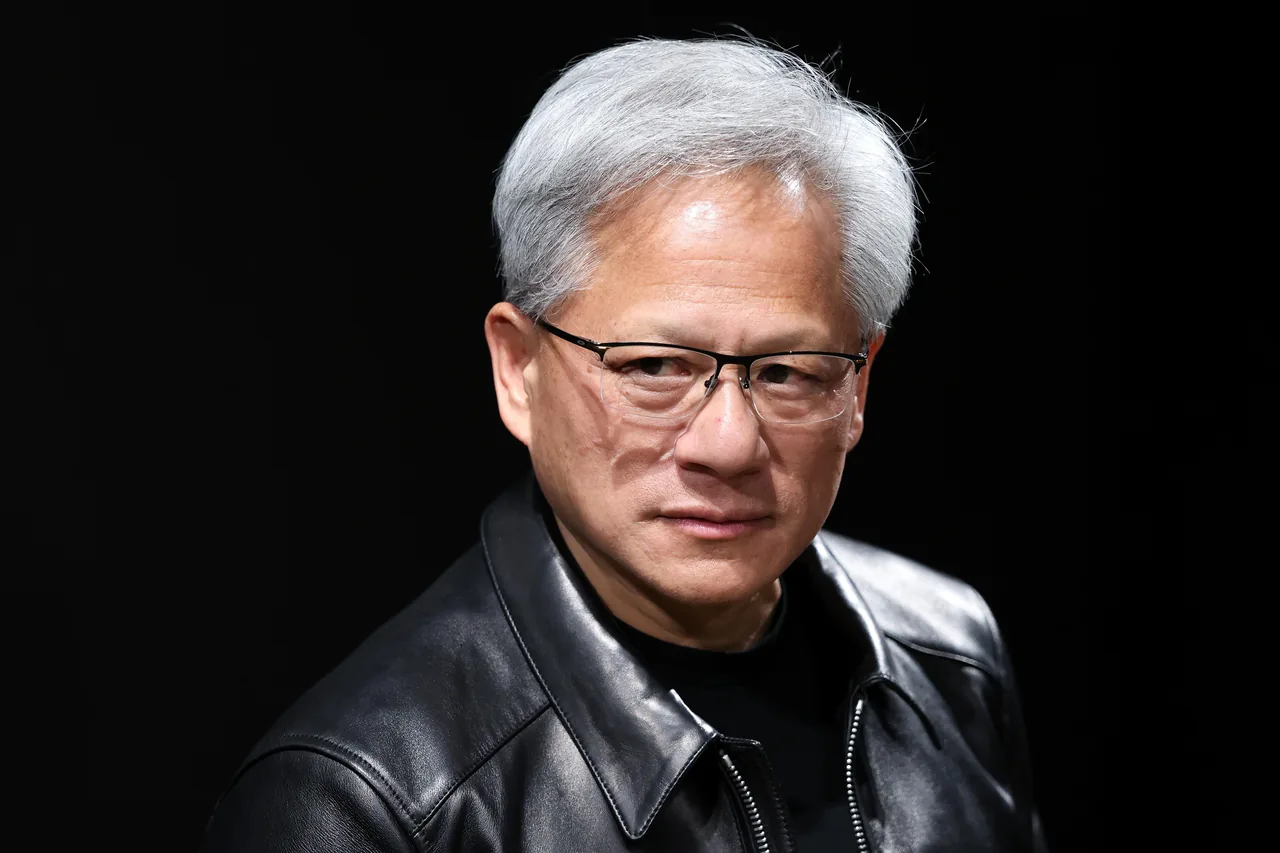
Nvidia CEO Jensen Huang sparked criticism after saying on The Ezra Klein Show that AI will ultimately help fight climate change, but only after inflicting 'an enormous amount of pain and suffering.' His framing echoes the accelerationist pitch used by tech executives and the Trump administration: near-term emissions from energy-hungry data centers are acceptable because AI will deliver future breakthroughs. Critics note Huang sits atop the industry benefiting from this buildout, while communities near power plants bear the costs, and AI's promised climate gains remain unproven.
Nvidia CEO Jensen Huang argues that AI will ultimately help humanity fight climate change, but only after the technology inflicts what he called "an enormous amount of pain and suffering" in the meantime. His remarks, made on a recent episode of The Ezra Klein Show, capture a tension now sitting at the center of the AI boom: the computing power driving AI's rapid advance depends heavily on energy-hungry data centers, many of which still run on fossil fuels. Huang's framing matters because Nvidia is the dominant supplier of the chips behind modern AI, giving his views unusual weight in how the industry justifies its environmental footprint.
The Cause: AI's Energy Appetite Meets Climate Goals
The backdrop to Huang's comments is a well-documented problem: training and running large AI models requires vast data center capacity, and that capacity is growing fast as companies race to build out AI infrastructure. Utilities and grid operators in several regions have pointed to data centers as a major driver of new electricity demand, which in many cases is still met by gas, coal, and other dirty energy sources.
Against that backdrop, tech leaders have increasingly adopted an accelerationist argument: the near-term emissions from building AI infrastructure are an acceptable cost because AI itself will eventually deliver breakthroughs, whether in scientific research, energy optimization, or climate modeling. Huang's remark on the podcast pushes that logic to its sharpest expression — the pain comes first, the payoff later.
The Process: The Same Pitch From Tech and Government
As The Verge's report on the interview notes, Huang's argument is not distinctive to him. A similar line of reasoning has been advanced by a range of technology executives — and by President Donald Trump — who promise that AI will be such a gift to humanity that the damage caused by data centers currently running on fossil energy is worth it.
What stands out in Huang's interview, according to The Verge's assessment, is what the outlet calls his "extreme level of privilege" — a pointed observation about how easily the costs of the AI buildout can be weighed against its promised benefits when the speaker sits at the very top of the industry benefiting from that buildout. Huang leads Nvidia, whose AI chips have made it one of the world's most valuable companies as data center construction accelerates. The people bearing the near-term costs — communities near power plants, grids under strain, populations exposed to pollution — are not the ones making the tradeoff.
The framing also sidesteps a harder question that the interview leaves open: whether AI's promised climate benefits will arrive on any timeline that offsets the emissions being locked in now, and who gets to decide when the suffering has gone on long enough.
The Latest Stage: A Justification Under Growing Scrutiny
Huang's comments land at a moment when the energy demands of AI are drawing mounting attention from journalists, researchers, and regulators. The Verge's coverage places his remarks squarely within the accelerationist camp, boiling down, in its words, to "the same accelerationist spin" heard across the industry and from the White House.
For readers, the significance is less about one podcast appearance than about the argument it exemplifies. As AI companies commit to ever-larger data center projects, the claim that short-term environmental harm is a fair price for long-term AI dividends is becoming the industry's standard justification — one that so far rests more on promise than on demonstrated climate gains.
Where This Leaves Us
The debate is now in a justification phase: the infrastructure is being built, the energy demand is real, and the industry's answer to environmental criticism is that the payoff is coming. What to watch next is whether AI's climate benefits materialize quickly enough to test that promise — and whether the burden of the interim "pain and suffering" Huang described gets distributed any more fairly than it is today. Full coverage of the interview is available at The Verge.
Meta description: Nvidia CEO Jensen Huang says AI will help fight climate change, but only after "an enormous amount of pain and suffering" from data centers first.
Tags: Nvidia, Jensen Huang, AI energy use, climate change, data centers
Featured image: Abstract render of glowing data center server racks connected to power grid lines, cool blue and amber tones, no people or logos.
Comments
No comments yet. Be the first to comment.