
The US poured billions into border monitoring technology. So why do migrants keep dying without being found in time?
An MIT Technology Review investigation found that over 1,050 migrants died within range of US border surveillance towers between 2015 and early 2026, including more than 110 near Anduril's advanced AI towers since 2021. Despite billions spent on a 'virtual wall' of cameras and sensors, deaths occurred within sight of CBP's own equipment, revealing the system's failure to detect, track, and rescue people in time.
When José Morales Bernal crossed into the United States near Sunland Park, New Mexico, on April 8, 2024—the day before his 32nd birthday—he moved through an area covered by three AI-powered surveillance towers built by defense technology firm Anduril for US Customs and Border Protection (CBP). According to a first-of-its-kind investigation by MIT Technology Review, published jointly with Times of San Diego, his body was ultimately discovered just 360 feet from the nearest tower. A new analysis of nearly 4,000 locations where human remains were found shows that more than 1,050 people died within range of border surveillance towers between 2015 and early 2026, revealing that deaths are occurring within sight of the government's own cameras.
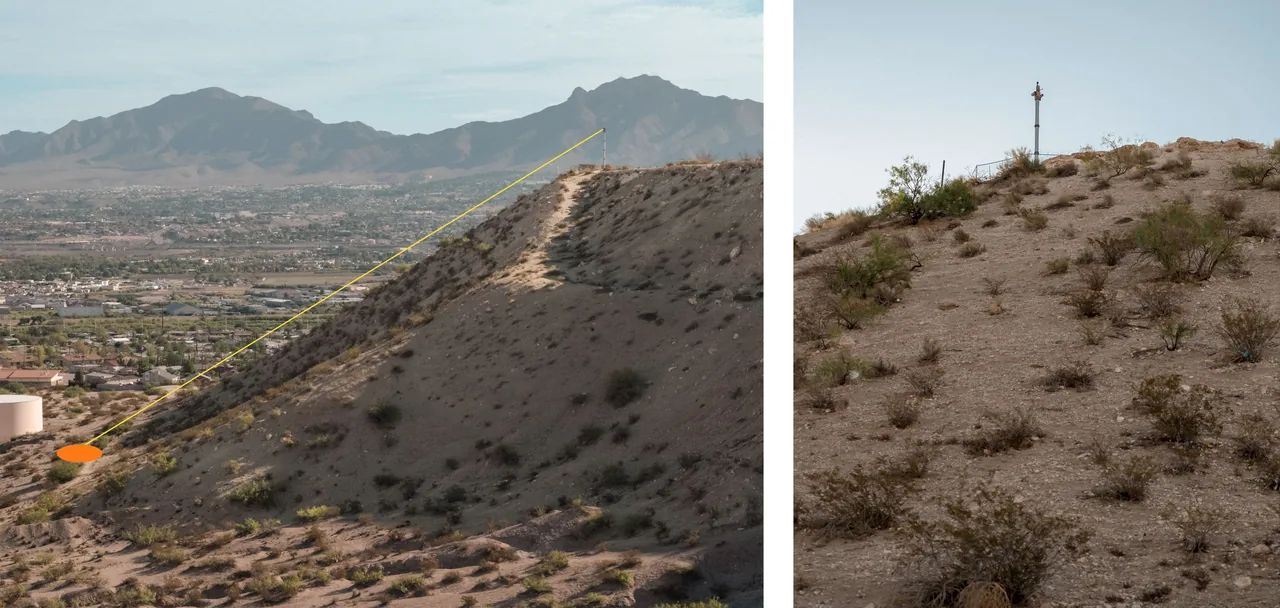
A System That Failed to Trigger
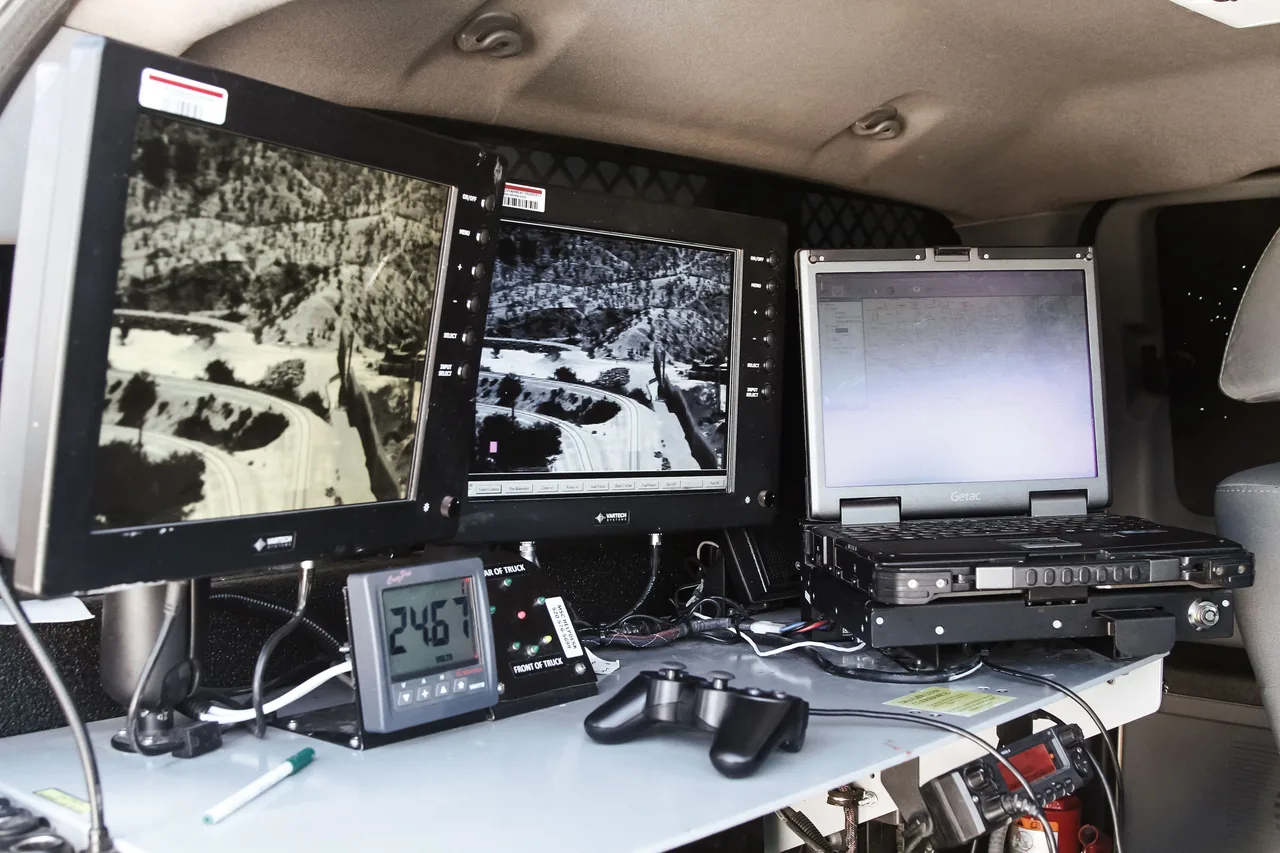
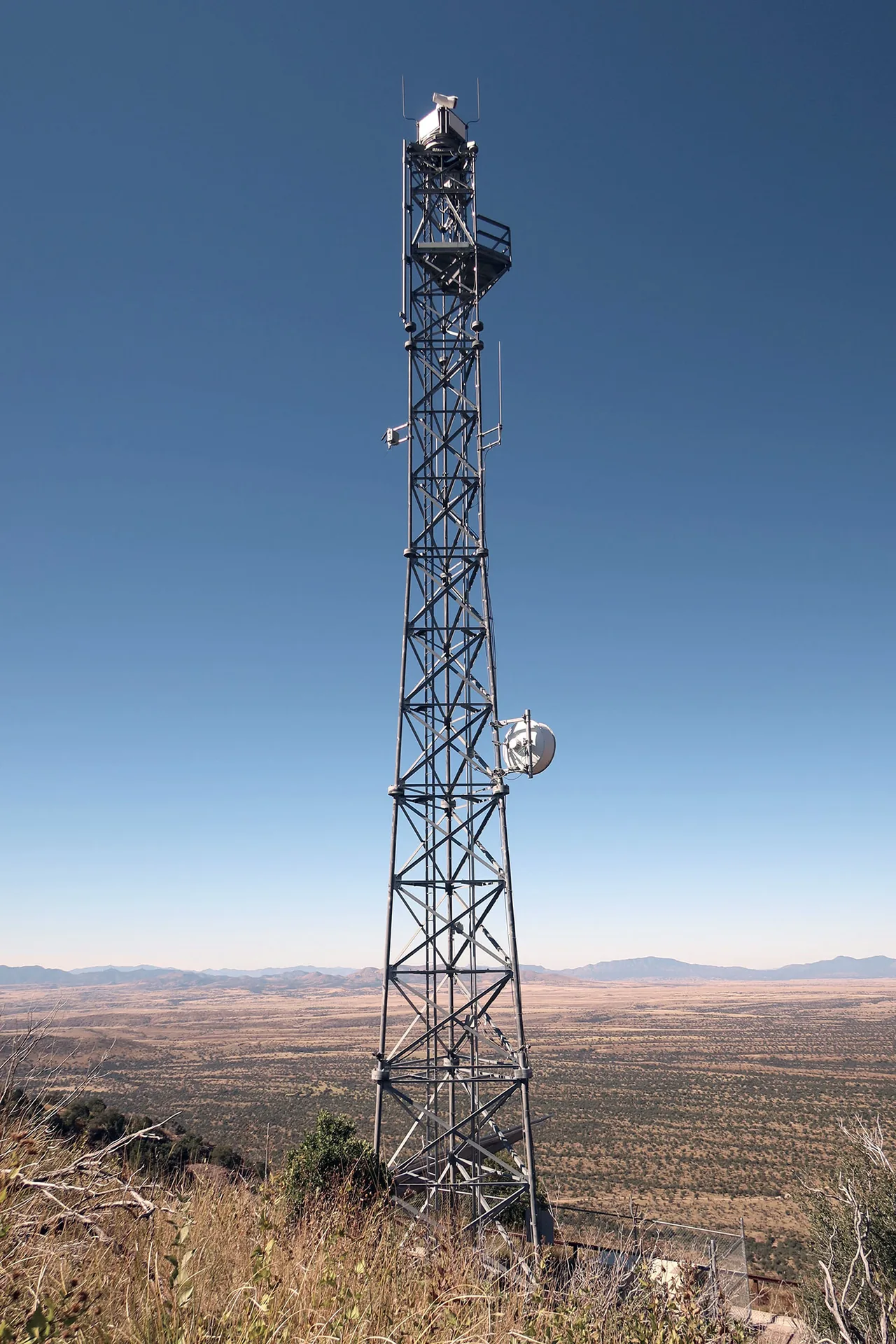
The Anduril towers near where Morales walked are designed to automatically detect and track people using cameras and artificial intelligence, streaming live video to control rooms and pushing alerts to agents' government-issued phones so the nearest available officer can respond. Had the system worked as intended, Morales should have been detected and apprehended—or given medical care if he needed it.
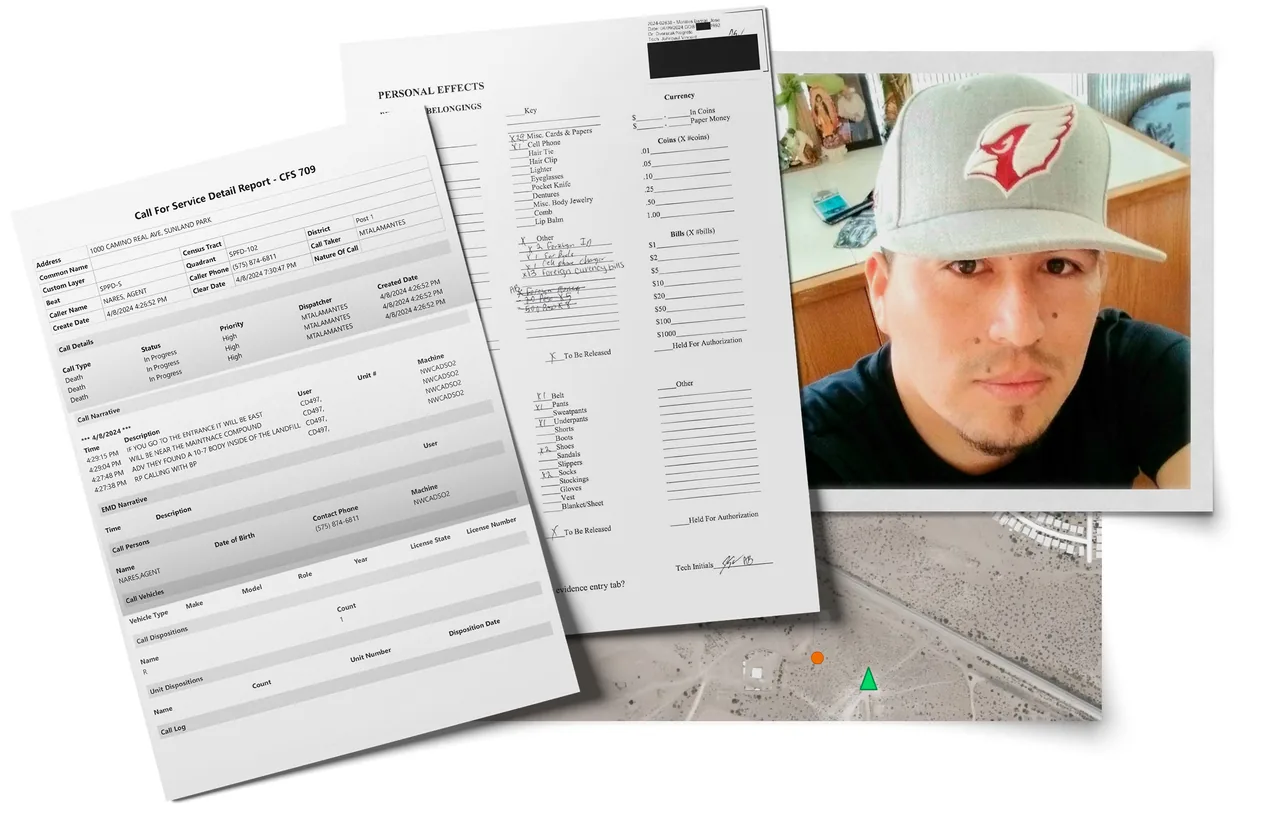
Instead, it was workers at a local landfill who first noticed him that morning. At 1 p.m. they saw him lying in the sand, and at 4 p.m., after he had not moved, they called Border Patrol. Agents arrived 45 minutes later to find him dead. When an agent called 911 to report the body, he described it as "probably one of the migrants crossing through there," apparently unaware that Morales had passed near the agency's surveillance equipment earlier that day. An autopsy later attributed his death to "environmental exposure." Two additional towers stood watch to the east and west.
Deaths Across Two-Thirds of All Towers Analyzed
MIT Technology Review cross-referenced nearly 4,000 locations where human remains were found—drawn from records collected by nonprofits including No More Deaths and Humane Borders, plus hundreds of records obtained in Texas—with data on nearly 600 towers identified by the Electronic Frontier Foundation. Factoring in tower installation dates, estimated times of death, and terrain analysis, the newsrooms produced the first comprehensive map of deaths near CBP surveillance towers.
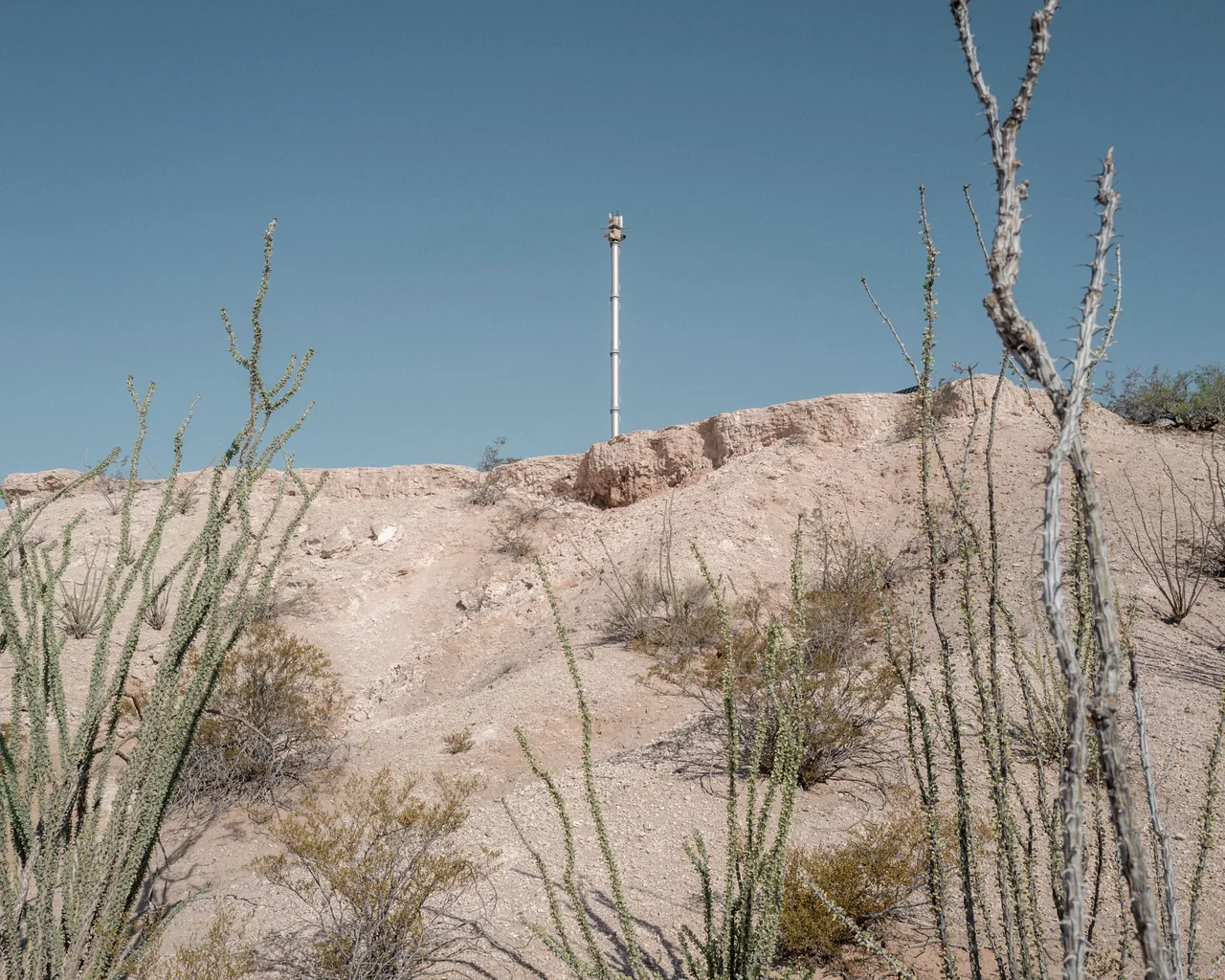
The findings are stark. Deaths occurred within the advertised range of nearly two-thirds of all towers analyzed. Terrain analysis showed some towers can see as little as 10% of their advertised coverage area, yet most deaths did not occur in blind spots. Nor can legacy equipment be blamed: more than 110 people have died since 2021 within range of Anduril's modern autonomous towers, among the most advanced systems CBP has deployed.
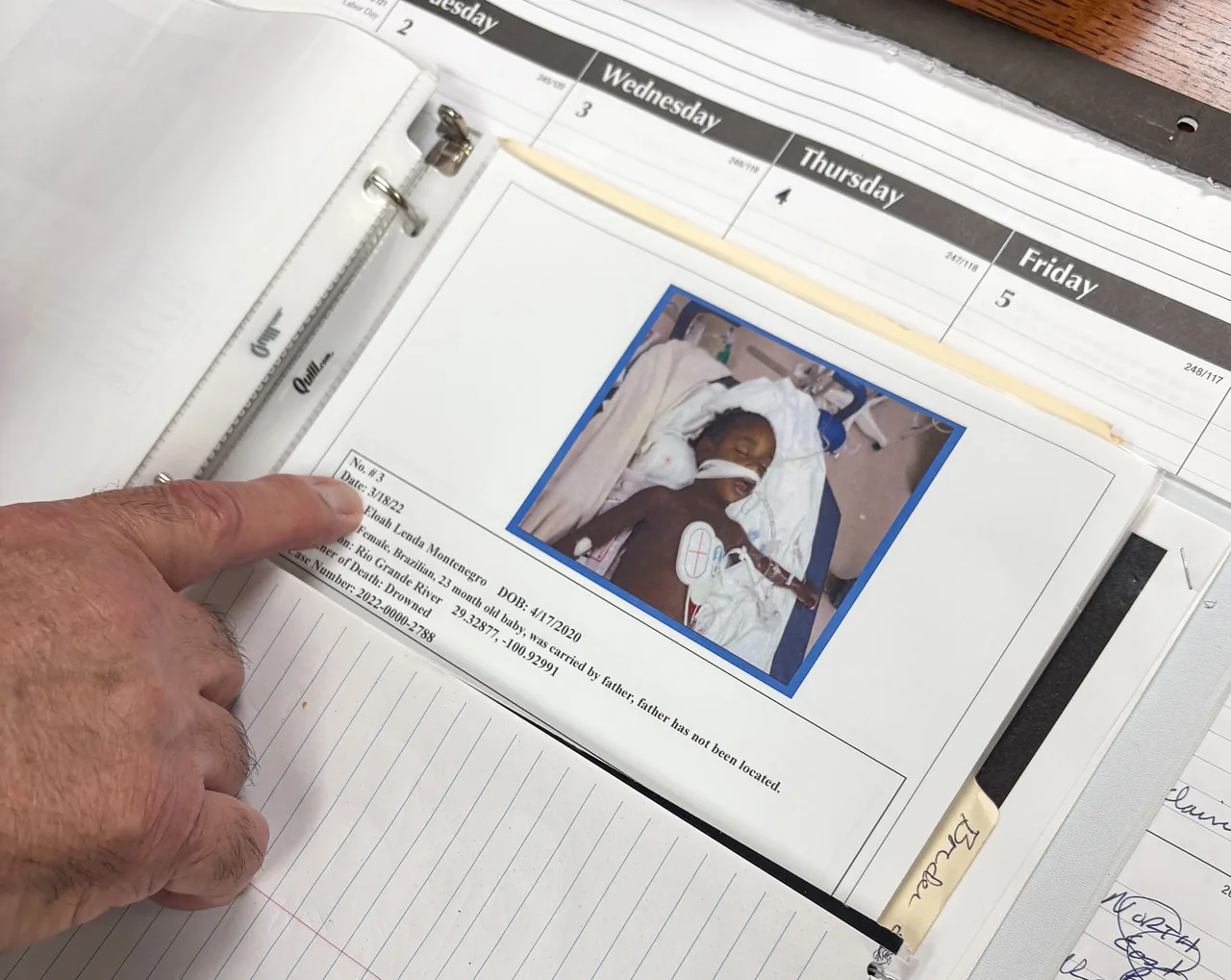
In the stretch of desert where Morales died, 18 other people perished within range of the three Anduril towers that same year; five were visible from the tower nearest his body. In one case documented in medical examiner records, a man dragged his struggling 30-year-old brother into the shade after they had walked a mile past the border and into range of two AI towers; Border Patrol only spotted them when the man waved down a helicopter, and his brother was already dead. A 24-year-old woman died near another Anduril tower with a clear view of her location, her body lying unnoticed for weeks. Four more AI towers a few miles west overlooked sites where 10 additional bodies were found that year.
An Expanding Virtual Wall With Little Oversight
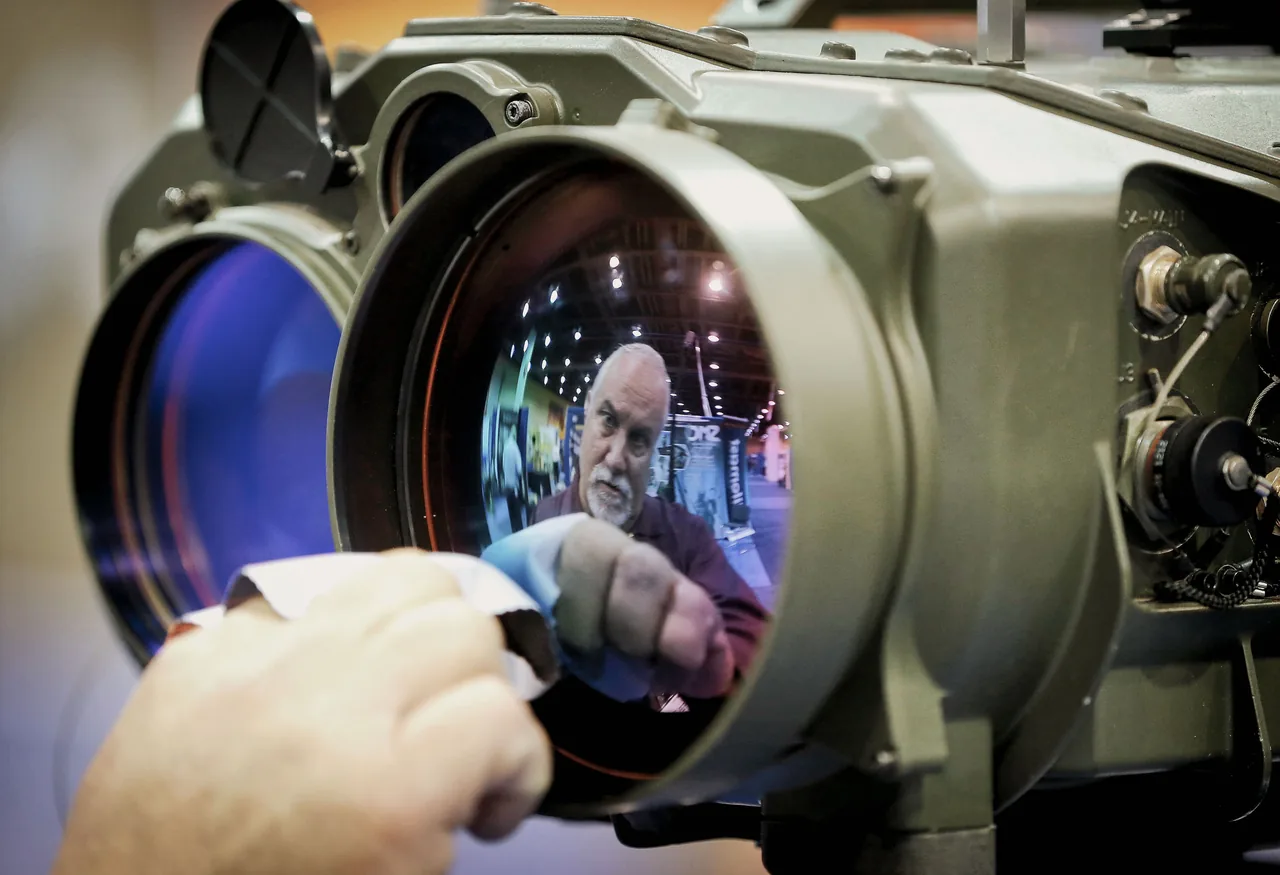
The towers are part of a "virtual wall" the US government has spent 25 years and billions of dollars constructing along the 1,951-mile southern border, complementing drones, blimps, seismic sensors, and tunnel-detection robots. In 2023, the government estimated its 803 towers would cost $6.2 billion over their lifespan. With record 2025 funding, CBP plans to spend $1 billion on 1,497 additional towers by 2034.
Yet the reporting found CBP has done little to evaluate how its towers perform. Officials spanning four presidential administrations told the newsrooms they believed deaths near the virtual wall were exceedingly rare or nonexistent, and none could point to any comparable government analysis. Former agents said CBP does not formally investigate whether surveillance should have detected a body or why agents failed to reach someone alive.
In response to nearly 30 questions, CBP assistant commissioner for public affairs Hilton Beckham said autonomous surveillance towers "use artificial intelligence to detect and classify people, vehicles, and animals and alert Border Patrol agents," adding that the agency evaluates the technology based on detection impact, response coordination, agent safety, and mission outcomes. An Anduril spokesperson said towers are operated by CBP after delivery, that an incident occurring nearby does not mean a detection was missed, and that effective ranges vary with terrain, obstructions, and CBP-set viewing boundaries. The spokesperson alleged inaccuracies in the reporting but did not specify them when asked. Representative Delia Ramirez, an Illinois Democrat on the House Homeland Security Committee, called the findings evidence that the tower program should be terminated.
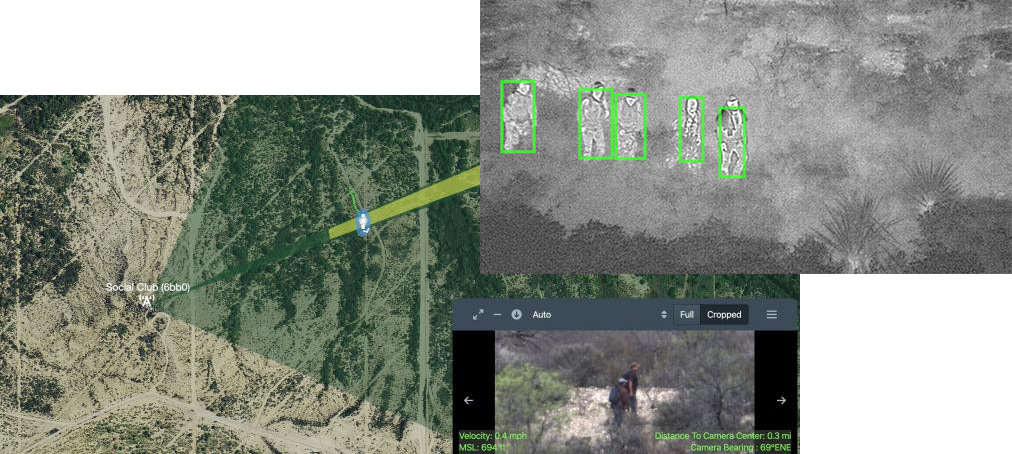
Geoff Boyce, a geography professor at University College Dublin who studies border surveillance, said that while the cameras may deliver useful intelligence under some conditions, "it is not delivering the level of operational support, information, or efficacy that either the companies delivering these infrastructures or the Border Patrol and Department of Homeland Security claim."
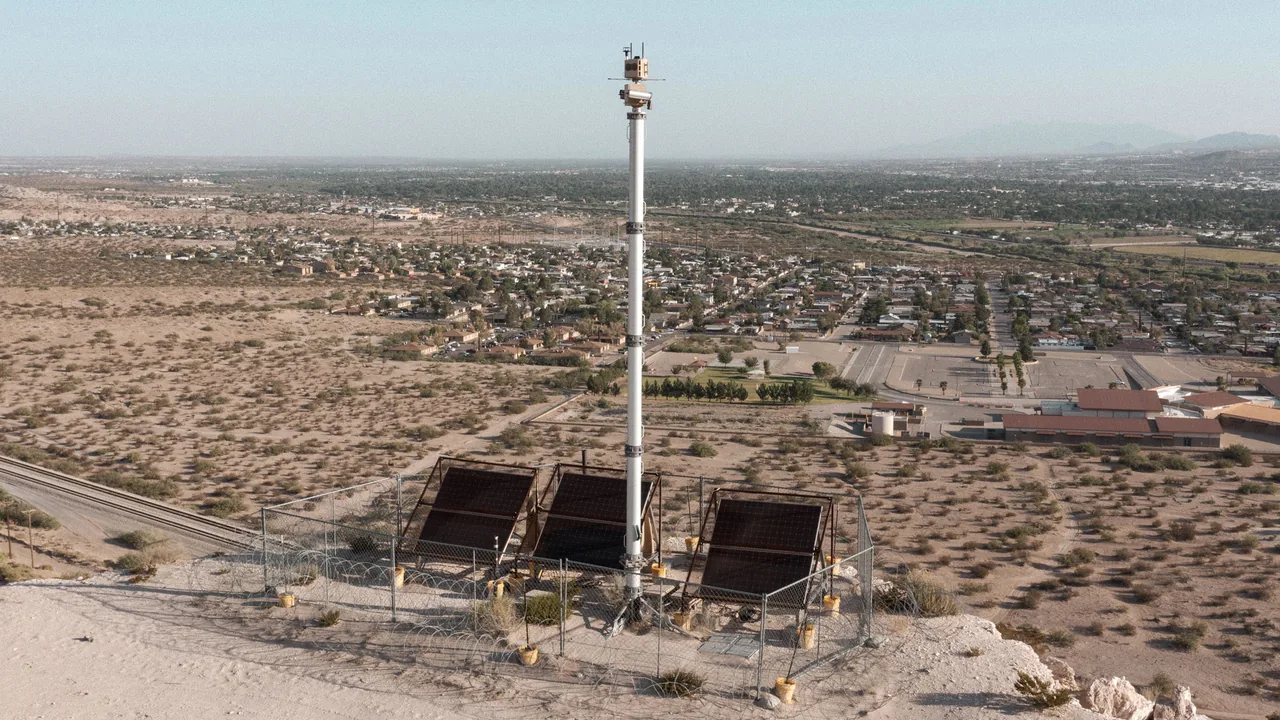
The investigation also found both categories of failure occur: technology failing to detect people, and agents failing to respond—limits revealed only where deaths left a trace. How many people cross undetected, or how many bodies remain undiscovered, remains unknown.
Comments
No comments yet. Be the first to comment.