
Nvidia begins a new chapter without Jensen Huang
Jensen Huang resigned as Nvidia CEO after affair reports; CFO Colette Kress is interim amid AI chip market pressure and succession uncertainty.
Key Takeaways
- Jensen Huang resigned as Nvidia’s CEO and board member immediately amid reports of extramarital affairs, including an alleged connection to a Chinese intelligence asset, leaving the company without a clear succession plan.
- CFO Colette Kress, who has led Nvidia’s finance function since 2013, has been named interim CEO while the board searches for a permanent replacement.
- Nvidia’s shares fell sharply before closing down 4%, with earnings due Nov. 17 and increasing political scrutiny, including a House committee briefing request and President Trump publicly suggesting Tim Cook as a possible successor.
- The leadership change raises concerns about continuity in Nvidia’s AI infrastructure dominance, particularly its GPU ecosystem, developer relationships, stance on lighter AI regulation, and chip export strategy involving China.
- The article also highlights other major AI developments, including Google’s Gemini 4 Hydrogen model and AI glasses, claims about Chinese AI firms using restricted Nvidia Blackwell chips, and new agent tools from Hark and Meta.
Jensen Huang has resigned as Nvidia's CEO and board member, effective immediately, after reports of extramarital affairs, including one with an alleged Chinese intelligence asset. CFO Colette Kress, who has held the finance role since 2013, has been named interim CEO while the board searches for a permanent replacement. The departure leaves the world's most important AI infrastructure company without its founder and without a clear succession plan.

Background: From Denny's Booth to AI Engine
Huang built Nvidia over 33 years, turning a startup founded in a Denny's booth into the hardware backbone of modern AI. The company's GPUs, originally built for gaming, became the essential compute layer for training and running large AI models. Under Huang, Nvidia stayed dominant even as rivals pushed their own chips.
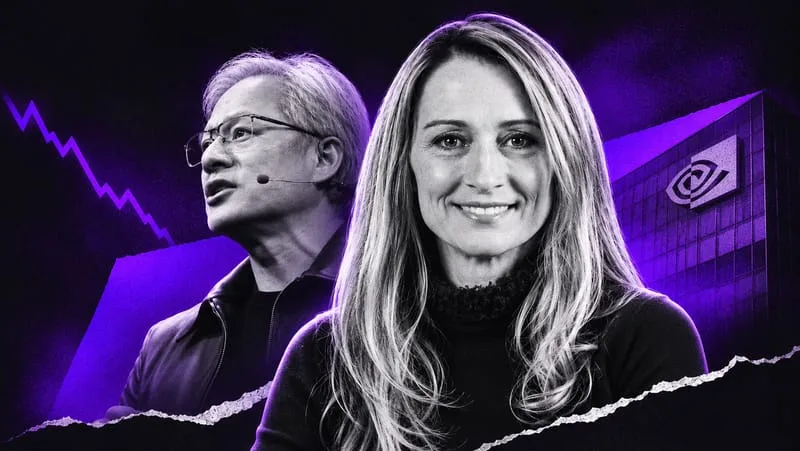
The pressure began two weeks ago when a New York Times report tied Huang to an alleged Chinese intelligence asset. Huang admitted to infidelity days later. The board initially backed him, saying it had "no reason to believe" national security or company secrets were compromised. But the situation escalated: the NYT reported a second relationship with an Nvidia executive, and Reuters reported a third with another employee after the resignation.

Latest Developments: Market Reaction and Political Intervention
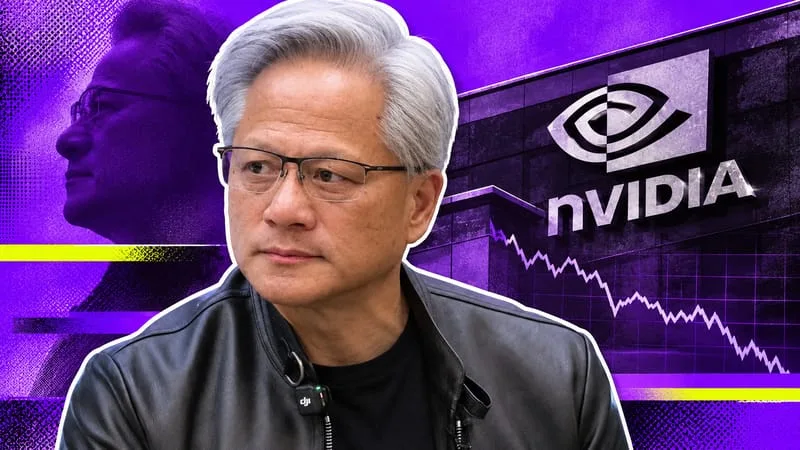
Nvidia closed down 4% Thursday after falling more than 14%. Earnings are due Nov. 17, and House committee chairs are seeking a closed-door briefing from Huang. President Trump publicly pitched Tim Cook as the "only one man" who could take the job, inserting political attention into a corporate succession.
Kress now holds both CFO and CEO roles as the board looks for a replacement. She inherits a company whose market position rests on Huang's long-built relationships and strategic decisions, including his stance on lighter AI regulation and chip sales to China.

What It Means for the AI Infrastructure Race
Whoever steps into Huang's shoes will have to build on Nvidia's dominance and decide which of his fights to keep. The company's lead in AI hardware has been sustained by its GPU ecosystem and developer relationships, not just chip performance. A leadership vacuum at the top raises questions about continuity on regulatory strategy and export policy at a moment when Nvidia's chips are central to geopolitical tech tensions.
The board's backing of Huang before his exit, and the rapid accumulation of reports afterward, suggests the decision came under intensifying pressure rather than a planned transition. With earnings days away and congressional interest mounting, Kress's interim tenure will be defined by how quickly the board can name a permanent leader and reassure investors that Nvidia's roadmap remains intact.

Other AI Developments This Week
Google's Gemini 4 Hydrogen: Google debuted Gemini 4 Hydrogen, a faster, lower-cost model for coding and everyday tasks that outperforms Gemini 4 Argon at its highest thinking level. The model features a 1M-token context window.

Google's AI glasses: Google opened pre-orders for its first Gemini-powered AI smart glasses, 18 months after announcing them at I/O 2025. Built with Samsung, the nine styles from Warby Parker and Gentle Monster start at $395, packing a 12MP camera, open-ear speakers, and up to nine hours of battery into 41-gram frames with no display in the lenses. Wearers can say "Hey Gemini" to ask about what they're looking at, get Maps directions, play music, or translate speech live across 70+ languages. Google says the glasses redact bystanders' faces before Gemini sees them, show a light when recording, and stop recording if the light is covered. They go on sale Dec. 10 in the U.S. and South Korea and work with iPhones, taking on Meta, which shipped 81% of AI glasses in the first half of the year.
Export-restricted chips claim: Ex-OpenAI researcher Will DePue claimed DeepSeek, Moonshot AI, MiniMax, and Ant Group used export-restricted Nvidia Blackwell chips to develop their latest models, citing GPU fingerprints detected in their published model weights.

Hark's Handoff²: Brett Adcock's Hark launched Handoff², a computer-use agent that completes web tasks 2x faster for users with an 82% success rate — up from 73% — in internal tests.
Meta's phone-calling agent: Meta rolled out phone-calling capabilities for its Muse AI agent in the U.S., just a week after rival SpaceXSI launched a similar feature for its Grok Bot agent.
OpenAI child safety pledge: OpenAI pledged $2M to support research into AI's impact on children, joining a child safety initiative to develop tools to measure risks and build better safeguards and policies.
What to Watch Next
Nvidia's Nov. 17 earnings call will be the first public test of investor confidence under Kress. The board's search for a permanent CEO, the House committee briefing, and whether Huang's departure shifts Nvidia's stance on China chip exports are the key signals to track in the coming weeks.
Comments
No comments yet. Be the first to comment.