
This is unofficial additional context for the AI Safety Fundamentals course.
This unofficial AI Safety Fundamentals context examines the 2026 AGI timeline debate, questioning advice, frameworks, evidence, and predictive cruxes
Key Takeaways
- The 2026 AGI timeline debate hinges on advice, frameworks, definitions, and evidence rather than a single technical prediction.
- AI uncertainty weakens the reliability of both traditional advice and modern expert forecasting, because different people may need opposite guidance.
- Every analytical framework has hidden assumptions and weaknesses, so even a good framework can sometimes lead to worse decisions.
- Key forecasting cruxes include the burden of proof for transformative AI, the trustworthiness of conceptual arguments, and whether exponential trends will continue or end in S-curves.
- AGI definitions remain contested, and the choice between broad or narrow definitions can strongly shape claims about whether AI is already general, human-level, or transformative.
Title: DeepMind, OpenAI, and METR Data Frame the 2026 AGI Timeline Debate
Meta description: How DeepMind, OpenAI, and METR data shape the 2026 AGI timeline debate across advice, frameworks, predictive cruxes, course frames, and evidence.
Tags: 2026 AGI timeline debate, DeepMind Levels of AGI, OpenAI math, METR time horizons, AI frameworks
Featured image: abstract neural network pathways, sigmoid curves, and a timeline grid in blue and orange, with no text, logos, or people.
The 2026 AGI timeline debate is a contest over advice, frameworks, definitions, and evidence. The material begins as bonus content shared before courses, not core curriculum, for students who want to go deeper before or after the course. It provides many links for follow-up and warns that most advice, including advice given in the past, may be bad because goals, personalities, skills, and opportunities differ; unless an adviser knows a person really well, what one person needs to hear may be the worst thing for another.
Background: Traditional Wisdom, Modern Skepticism, and AI Uncertainty
Slow-changing traditional societies revered elders because their lived experience could save pain. In modern Western societies, rapid change makes that experience less valued, and people doubt whether what worked then works now. The material says the rapid pace of AI progress greatly exacerbates these epistemic challenges. It is sensible to question how much anyone knows about the world ahead, including general society and AI safety and governance, which are constantly shifting fields. Uncertainty is scary but a fact of life to accept, with the counterpoint that acceptance may become defeatism.
Scott Alexander suggests that a listener may want to reverse any advice heard. People join groups whose worldviews resonate with them. Alexander says people who would not join a group often most need to hear its perspective, while members need to listen to the outside world. Groups can solidify natural tendencies into ideology and amplify them to extremes. The course may expose students to many reasons to worry more about AI; perhaps most people should worry more, but perhaps a reader personally should worry less. Zizek’s criticism of wisdom says, “Whatever you do, a wise man will come and justify it”.
Development: Frameworks, Meta-Frameworks, and Strategy
People teach strategy through frameworks, and every framework has strengths, weaknesses, and assumptions. Not knowing assumptions or limitations does not mean they do not exist; it means the user does not know them. The claim that every framework has weaknesses is itself a meta-framework with weaknesses and assumptions, raising the question of unknown unknowns. Even a correct framework can make decisions worse. Consistency is usually seen as objectively right, yet someone can talk themselves into a mind-blowingly stupid decision because they felt they had to be consistent with past choices they cannot admit were mistaken. A more or less fake framework can also produce better decisions on net. The material calls this unfair and notes the universe does not have to play nice.
Steven Schubert is cited for the view that analysis from the very best analysts of the future of AI may be underrated relative to that of pretty good analysts, because the issue is so complex, easy to miss vital considerations, and pushes the limit of human intellectual ability.
Development: Cruxes for Predicting the Future
The material lists cruxes for predicting the future. First, burden of proof: are transformative AI claims highly unusual claims needing strong proof, or relatively normal claims because several technologies would have been almost beyond belief for ancestors? Should regulation start from a presumption that regulation is harmful, or should the company need to prove their product is safe? Second, conceptual arguments: are they trustworthy when written with care and evaluated by good judgement, or groundless speculation relative to the null hypothesis and empirical results? Third, exponential trends: can they be projected by induction, assuming the future will be like the past, or is that foolish because exponentials must end?
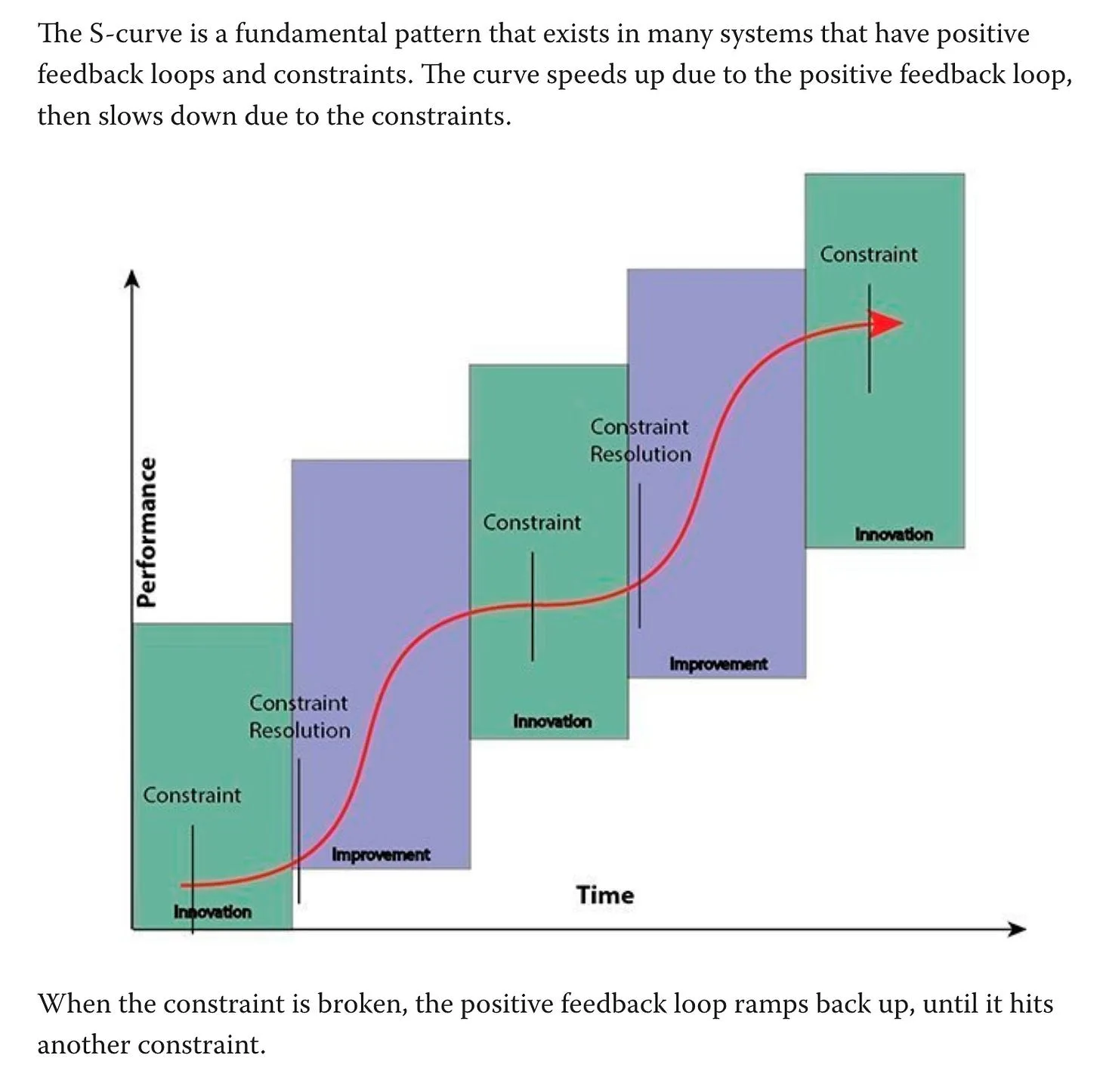
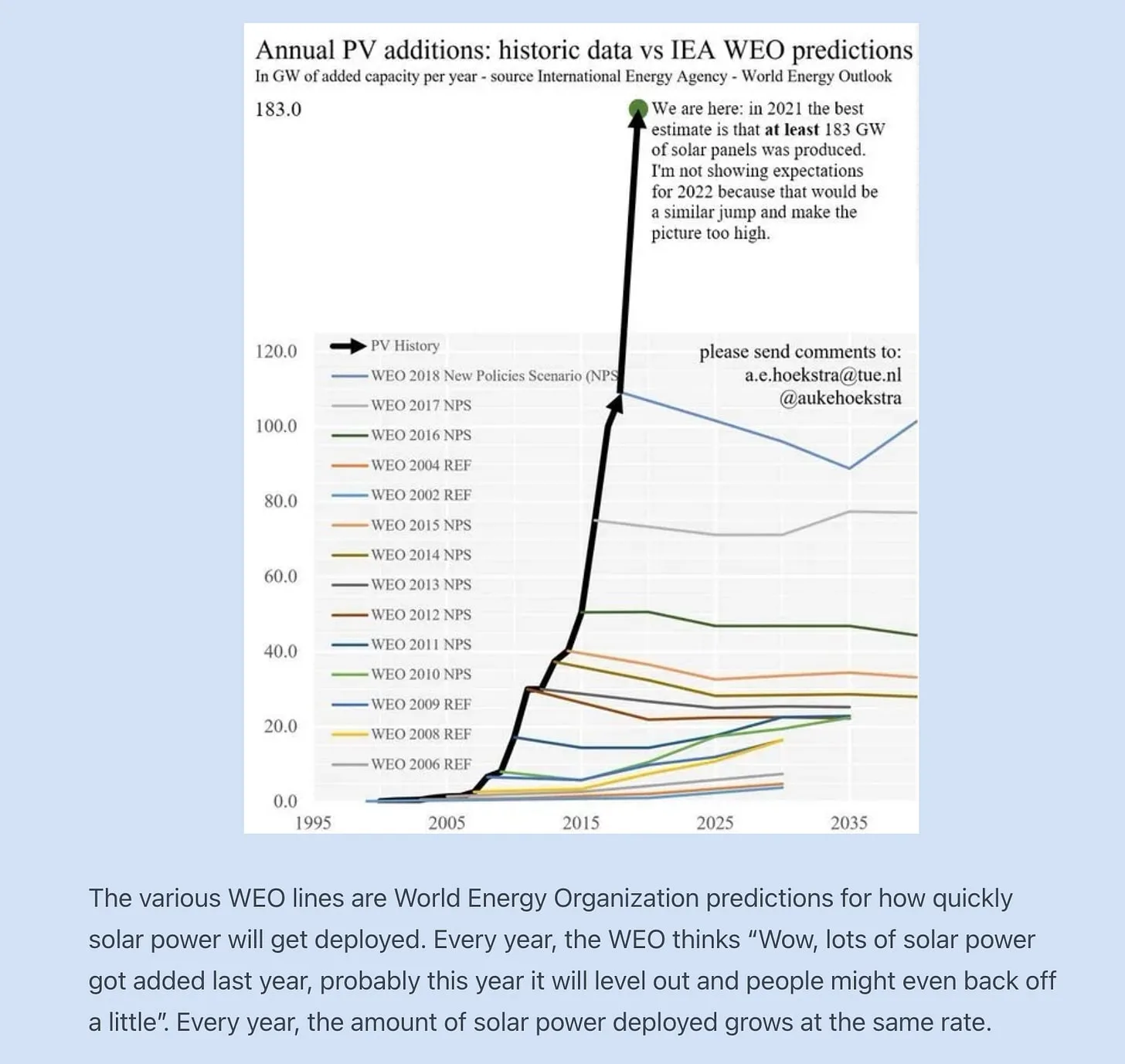
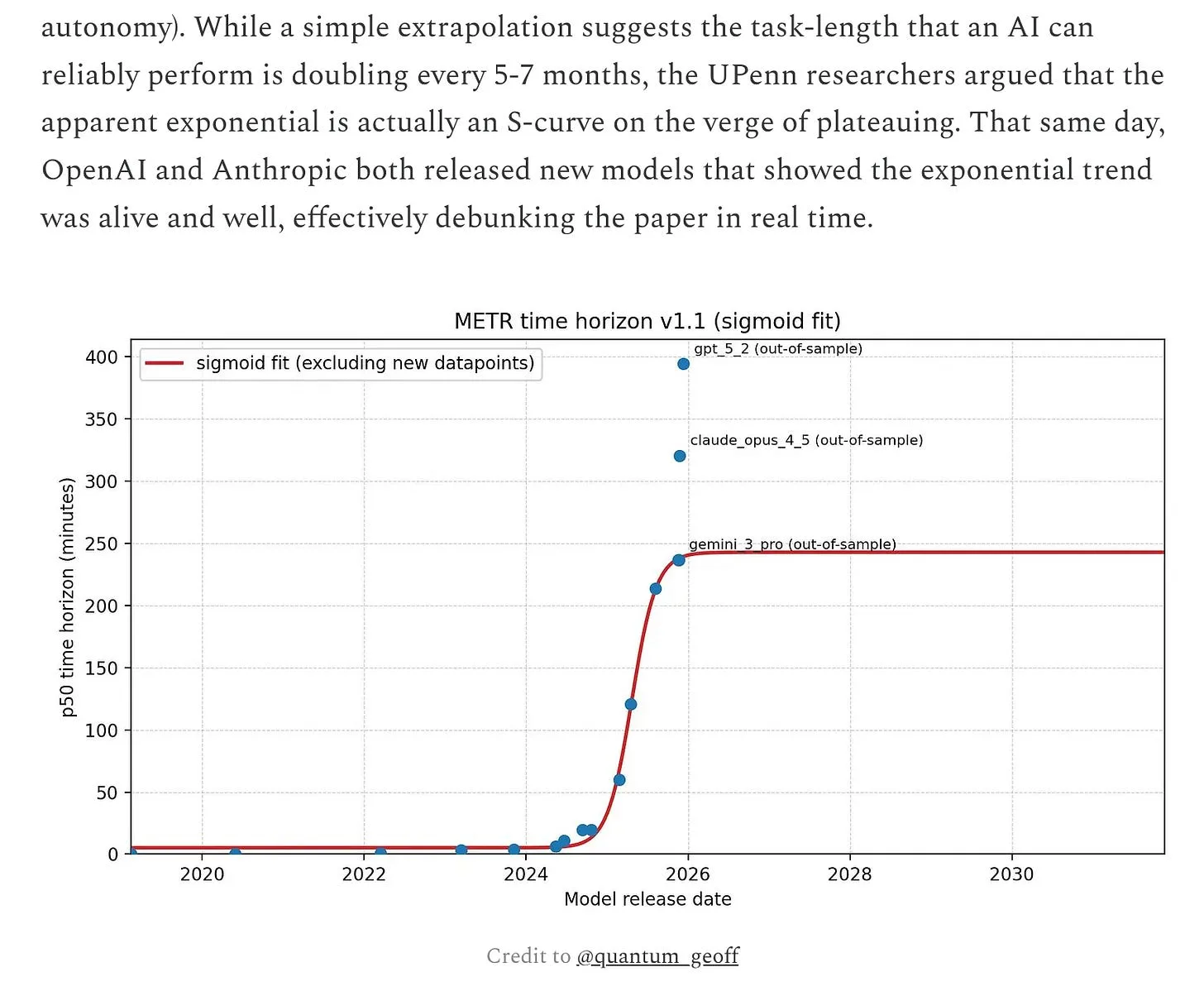
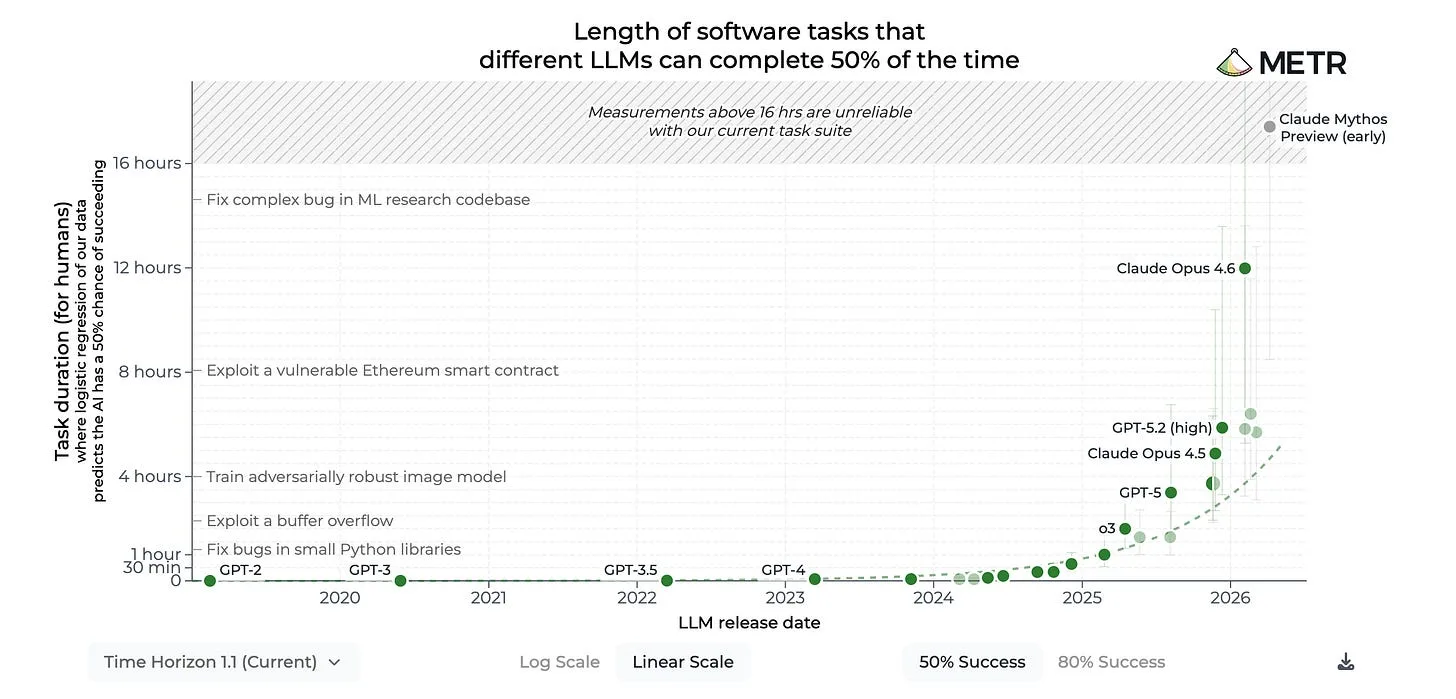
Many technologies follow s-curves, or sigmoids. Astralcodex notes that simply knowing something is a sigmoid does not reveal where one is on the curve. A graph from the World Energy Organisation shows repeated incorrect predictions that exponential progress in terms of solar power would finish, and another graph shows researchers incorrectly predicting that METR time horizons would cap out just as the curve zoomed upward.
Latest: AGI Definitions and 2026 Evidence
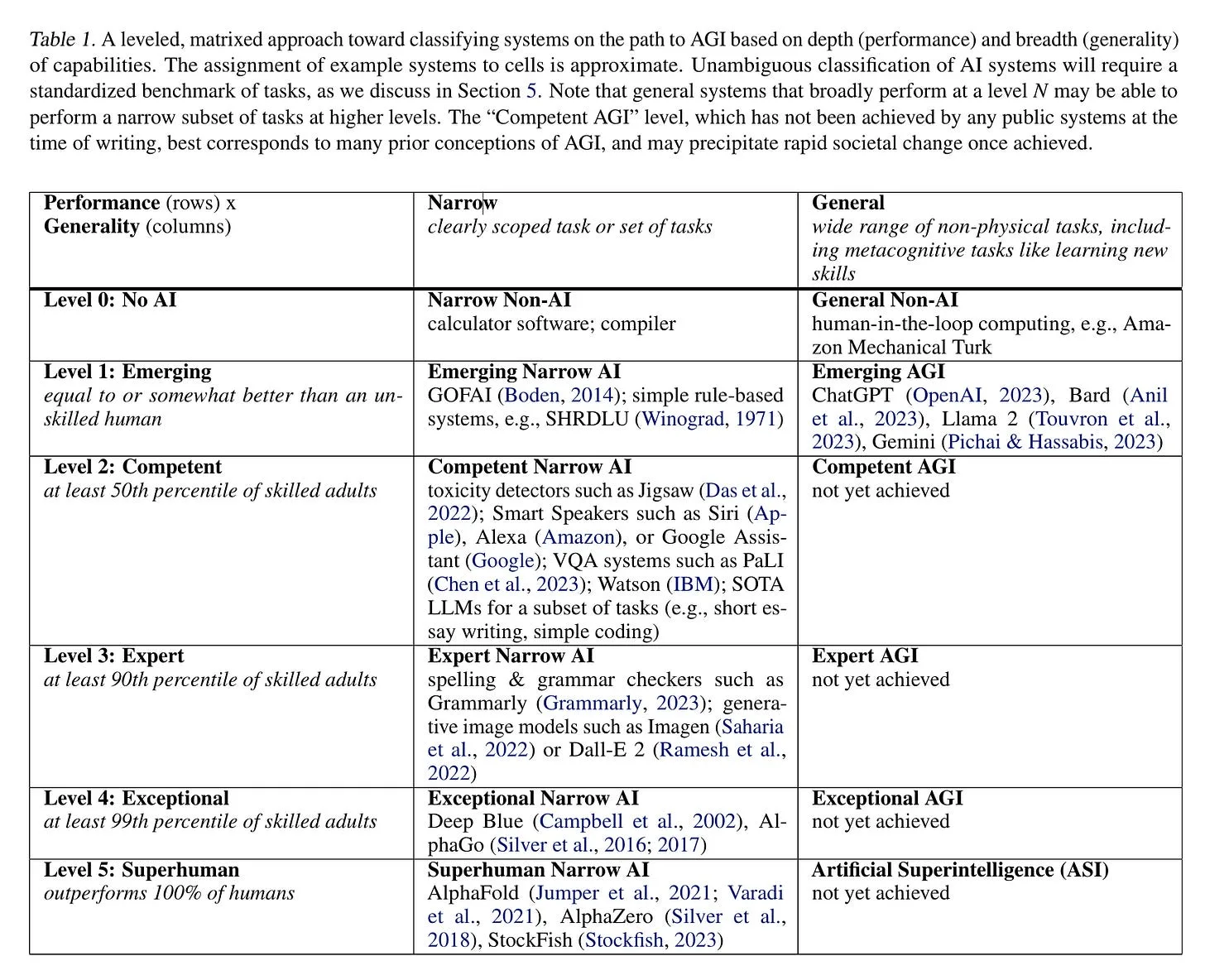
AGI, human-level intelligence, and transformative AI recur throughout the course. Section 2 of DeepMind’s Levels of AGI provides a summary of proposed definitions, but the material says the descriptions miss a lot of context. A definition is hard to evaluate without knowing its purpose: whether it captures the essence of the concept or merely proposes an operationalisation for a specific study, whether the authors are interested in specific kinds of impacts or impacts in general, whether they stated their goal, and what other terms AGI is being defined in contrast to.
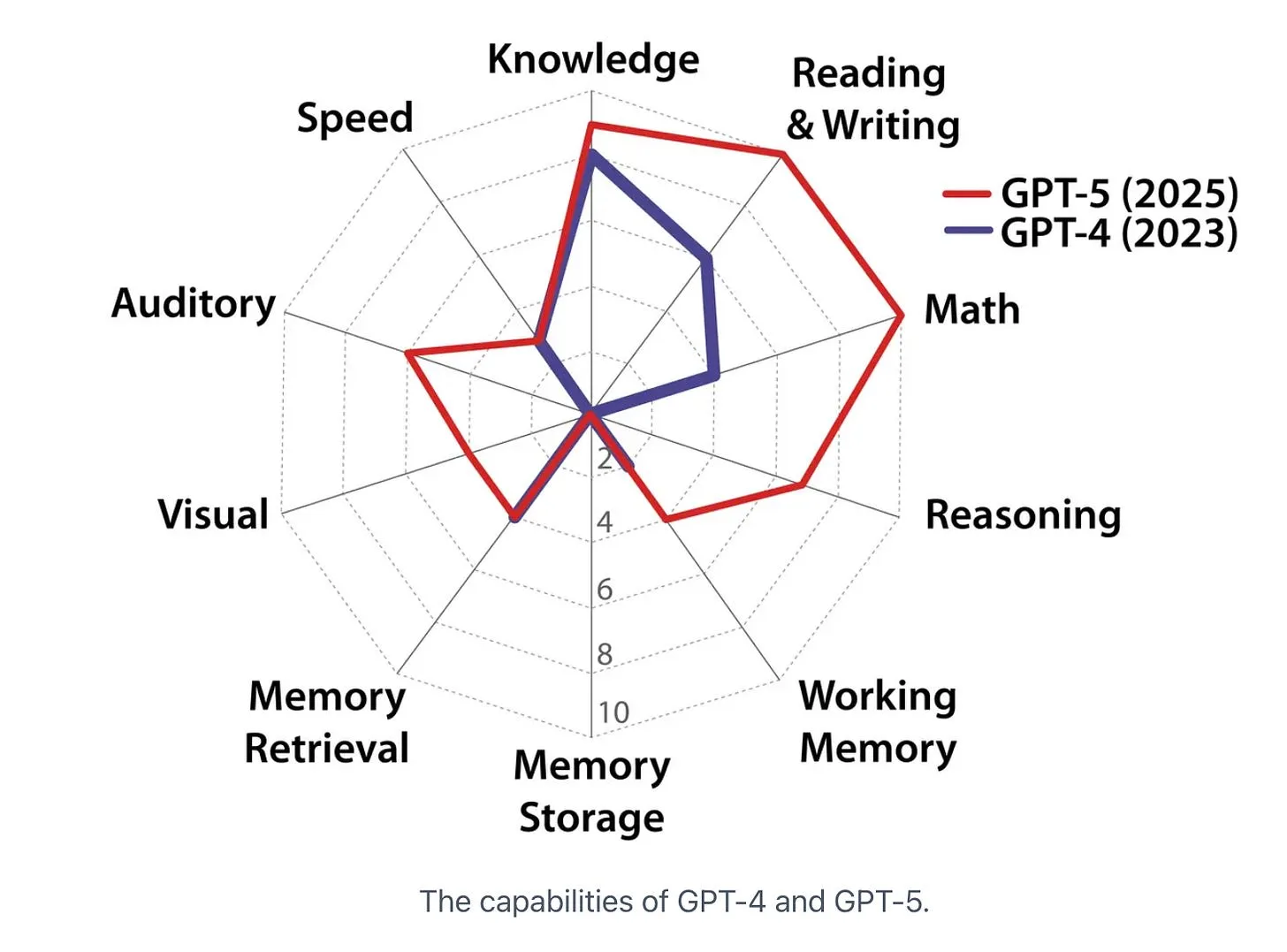
Ilya argues that the term AGI as a goal is a reaction to narrow AI: “Well this is not good. It is so narrow. What we need is general AI, an AI that can just do all the things”. He argues that a human is not AGI “because a human being lacks a huge amount of knowledge”, placing AGI beyond human-level intelligence. A broad definition can support claims that ChatGPT was an early but still incomplete version of an artificial general intelligence system, like Microsoft Research’s 2023 Sparks of AGI paper, or that AI is already human-level, like a 2026 Nature paper. Those views can be supported by arguing AI skeptics often present an unrealistically optimistic picture of human intelligence. Conversely, a narrow definition that requires AI to match humans in essentially every conceivable task can produce surprisingly long timelines because it is hard to rule out the possibility of even one obscure task proving surprisingly hard to automate.
The Levels of AGI paper provides a performance and generality matrix, but the material would add a third column between narrow and general because capabilities appear more jagged than in the ChatGPT days. The Turing Test, a famous definition of whether machines can think, returns in a 2026 paper by Jones and Bergen. LLMs GPT 4.5 and Llama, prompted to act like humans, successfully passed a three-way Turing test, in Turing’s original setup, where an interrogator interviews two agents: one human and one AI. The setup is harder to pass because the interrogator can directly compare the agents and need not guess the base rate. Interrogators were given 5 minutes, matching the duration mentioned in Turing’s paper, though that duration was only by way of example rather than a specification. They were drawn from students and a company called Prolific, while Turing only spoke of average interrogators. Some people criticised the paper because some interrogators did not seem to try that hard. The material also cautions that linguistic imitation is arguably precisely what LLMs are made for, so this performance may be much less indicative of general abilities than if AI had been produced another way.
In A Definition of AGI, dated Oct 2025, Hendrycks et al. attempt to define AGI using Cattell-Horn-Carroll theory, described as “the most empirically validated model of human cognition”. They write, “AGI is an AI that can match or exceed the cognitive versatility and proficiency of a well-educated adult”. However, while the model is verified as providing a robust categorisation of intellectual abilities in humans, that does not automatically mean the categories are suitable for AI, especially because artificial intelligence is often spiky in ways that feel utterly bizarre to humans.
Dario is described as not really a fan of the term because there is no clear boundary between AGI and non-AGI. The road-trip analogy says that if you are on a trip from San Francisco to New York, it initially does not matter very much whether you are headed to New York state or New York city, or which neighbour in New York, but as you get closer, the precise definition becomes much more important. Sam Altman shares Dario’s worries about the term being underdefined, but says, “the word seems so sticky, I gave up trying to fight it”.
Latest: Data Points and Current Evidence
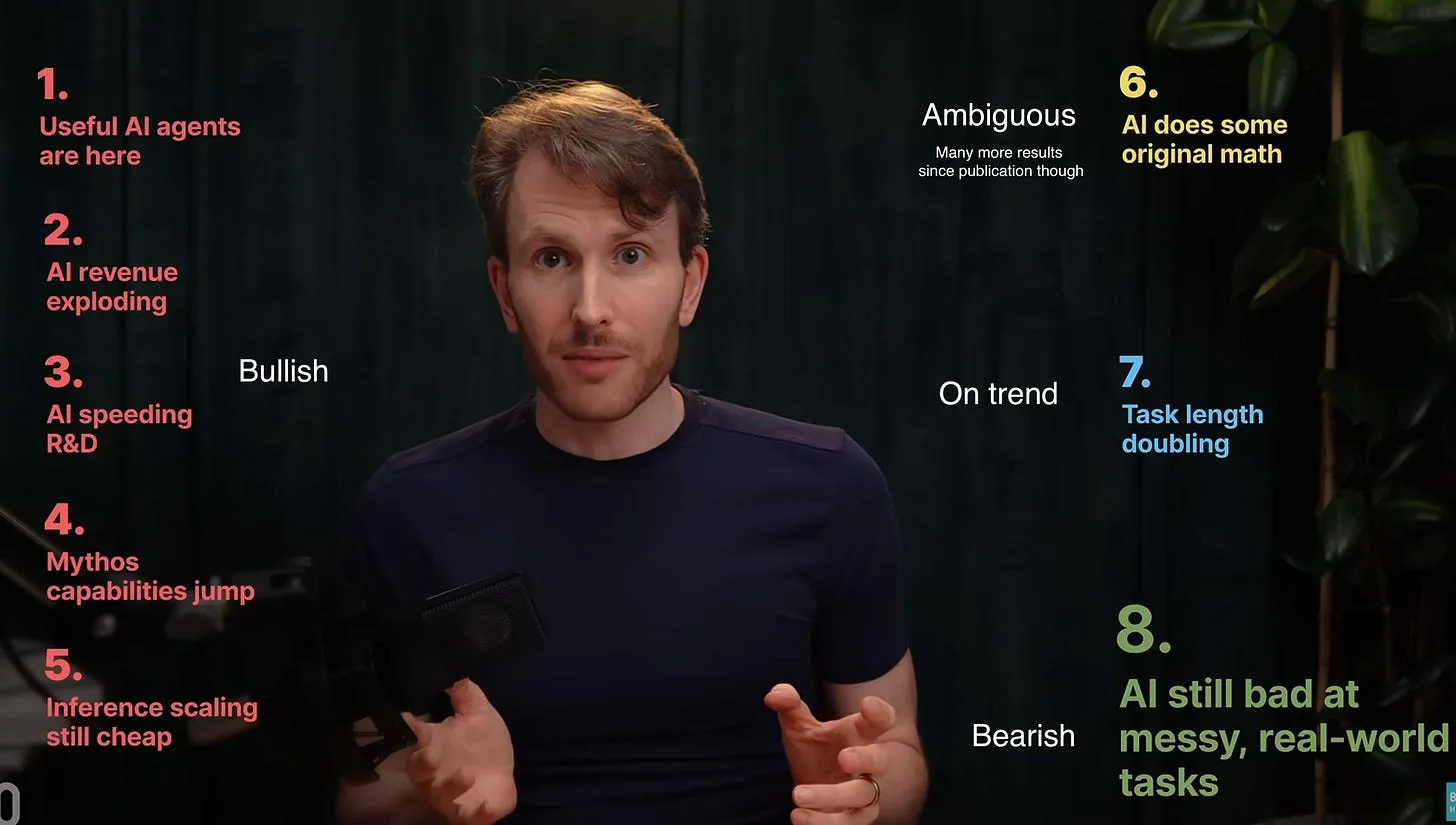
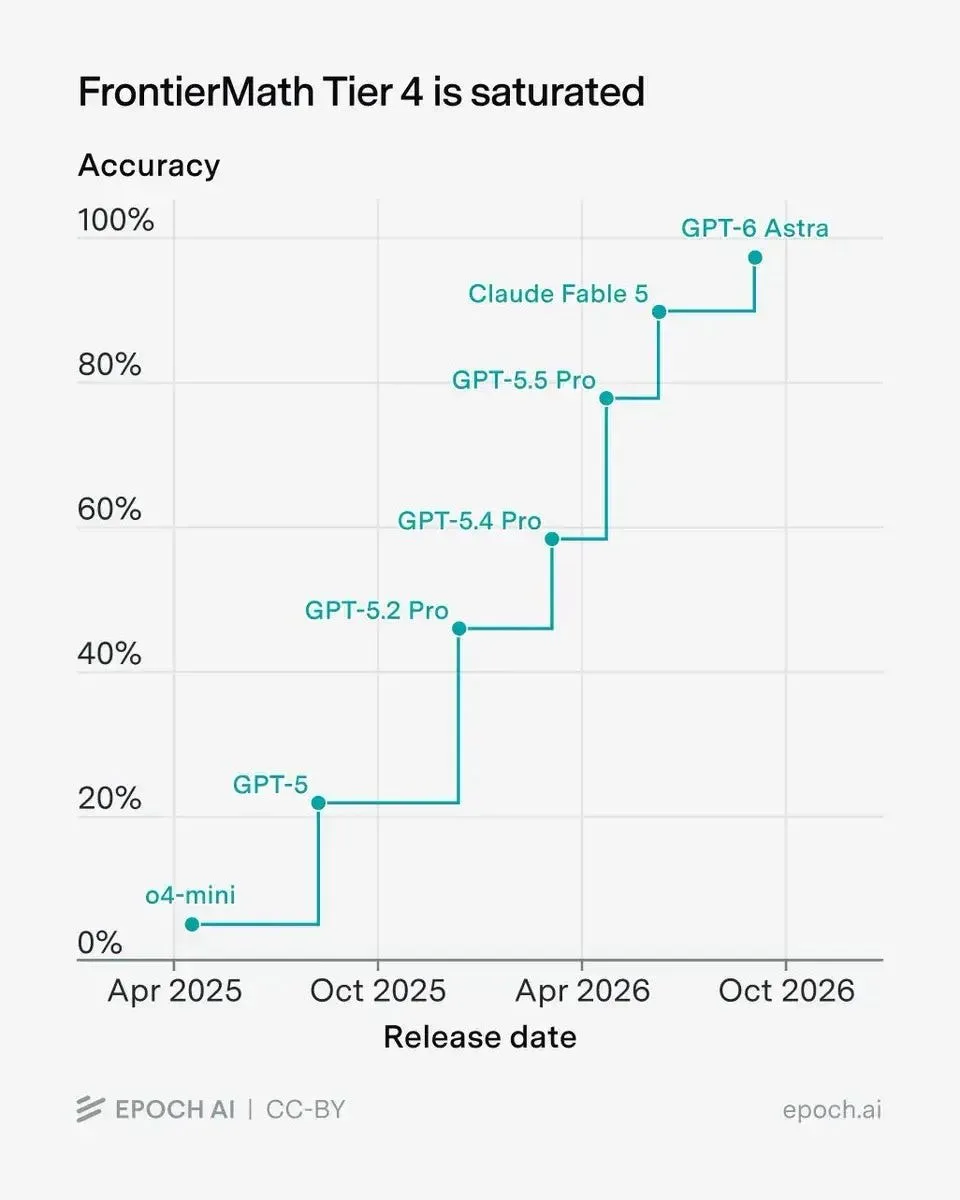
For better understanding where we are now, the material says it needs a new top recommendation and invites suggestions. It previously recommended What the hell happened with AGI Timelines in 2026? to a previous cohort, where Rob Wiblin attempted to synthesize a lot of different data into a coherent view. Wiblin listed “AI does some original math” as ambiguous. OpenAI has reported solving the Navier-Stokes Millennium Prize Problem, which would be remarkably above trend if confirmed. There is a dispute over whether someone else’s work made its way into the training data, but OpenAI also dropped 372 other results onto the internet. Those results are yet to be verified; some have Lean proofs, but it is possible to make a mistake in how a problem is formalised. Frontier Math Tier 4 has also been saturated.
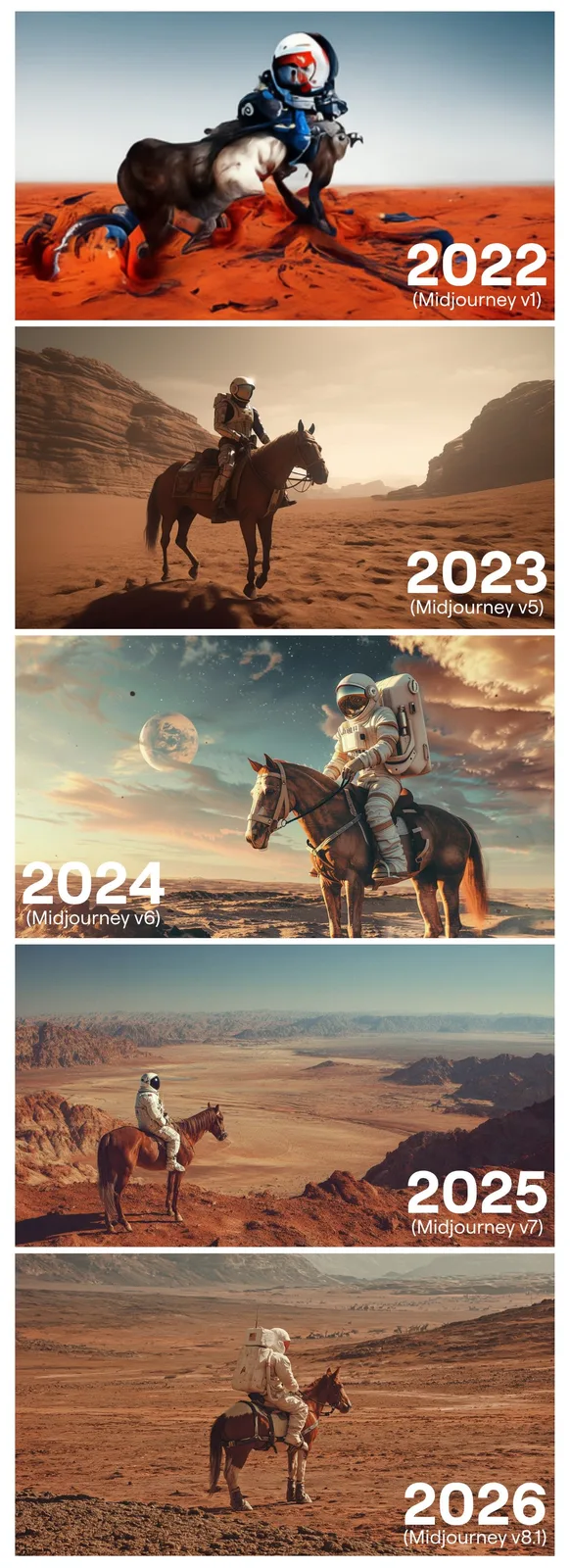
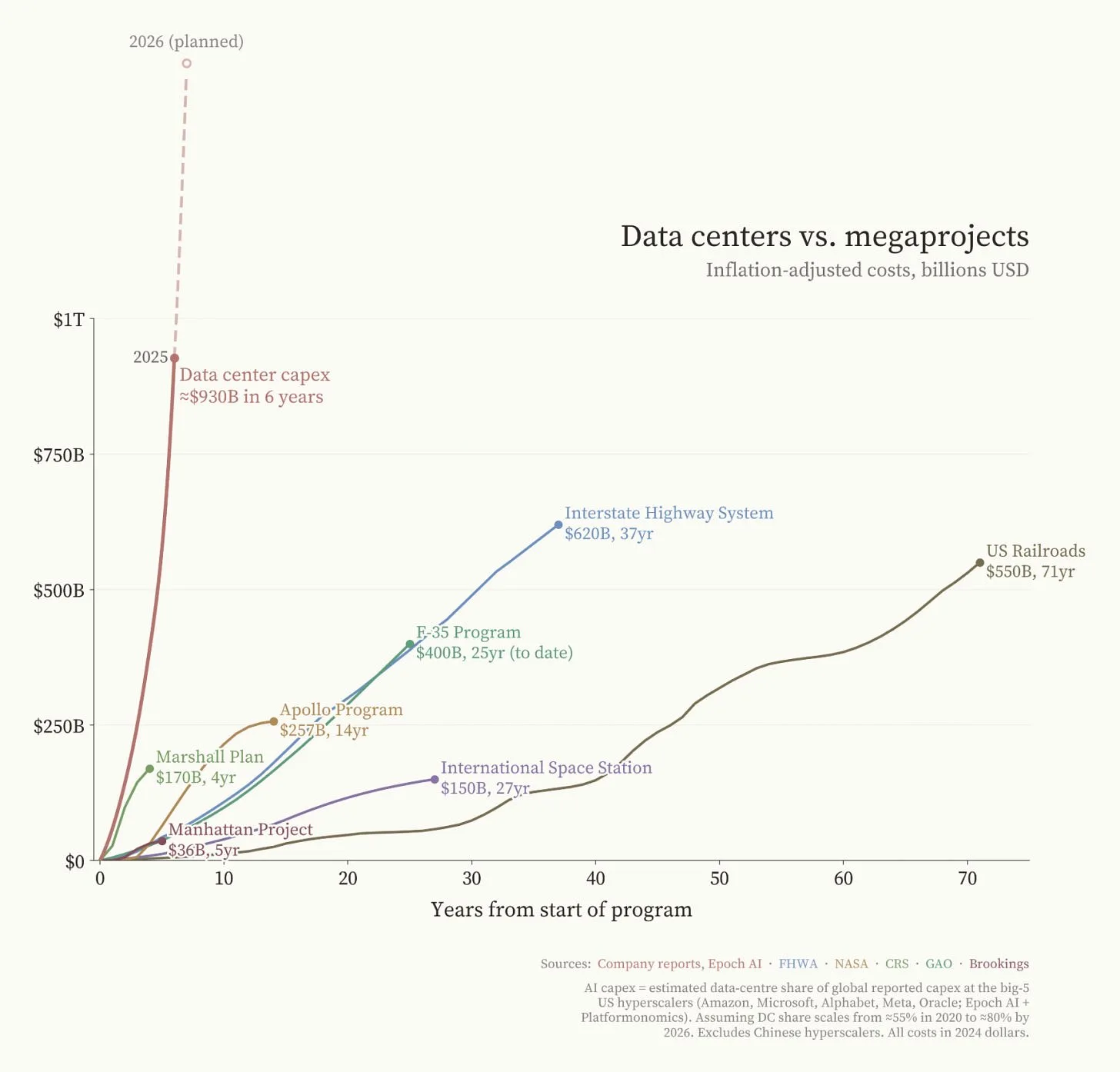
Wiblin also said that time horizons were on trend. Time horizons now appear remarkably above trend, though these results have been criticised. Toby Ord is cited as a counterpoint, arguing that inference-time compute scales less favourably than you might expect. The material adds that many people have missed the fact that certain linear-looking graphs actually have a log-scale on the x-axis. BlueDot’s 2 hour Future of AI course is listed as containing a lot of information on general trends, with a picture showing progress in image models and a graph showing the amount of money being in.
Current Stage: A Contested Map of Progress
The material ends at a contested stage. Advice is suspect, frameworks are assumption-laden, exponential trends may be sigmoids, AGI definitions are slippery, and evidence from Turing-test papers, math results, time horizons, and compute scaling points in different directions. DeepMind’s Levels of AGI, Microsoft Research’s Sparks of AGI, the 2026 Nature paper, Jones and Bergen, Hendrycks et al., OpenAI’s reported math results, METR time horizons, and BlueDot’s course show why the 2026 AGI timeline debate remains unresolved rather than a final verdict.
Comments
No comments yet. Be the first to comment.