
We toured Samsung’s expansive new semiconductor facility.
Samsung is rapidly expanding its Pyeongtaek semiconductor complex in South Korea as AI-driven demand for memory chips surges. Three fabs are operating, a fourth is coming online, and a fifth has restarted after a 2024 pause. The build shows how generative AI, GPUs, and high-bandwidth memory are reshaping chip supply, while thousands of workers, safety campaigns, and local housing activity reveal the site's industrial scale.
Key Takeaways
- Samsung is expanding its Pyeongtaek semiconductor complex by bringing a fourth fab online and restarting a fifth, driven by expected surging AI memory demand through 2028.
- The project is central to Samsung’s effort to regain leadership in memory chips for AI GPUs, where rivals such as SK Hynix and TSMC have been ahead in key areas.
- The expansion has turned Pyeongtaek into a massive industrial hub, employing thousands of workers and reshaping local housing, commuting, and community life.
- Rapid construction has brought strong safety campaigns and strict site controls, while workers cite higher pay and continued demand as reasons to stay on the project.
Meta description: Samsung's Pyeongtaek chip complex adds a fourth fab and restarts a fifth as AI memory demand is expected to surge through 2028 at a site south of Seoul.
Tags: Samsung, Pyeongtaek, AI chips, memory chips, GPU
Featured image: abstract technology style scene with layered circuit-like patterns, no real people, no company logos, no text.
The Samsung Pyeongtaek memory chip expansion has shifted from a paused construction plan to a fast-moving industrial build because generative AI systems run on GPUs, and those GPUs rely on stacks of specialized memory chips packaged with the processor. The project matters because it links a chipmaking boom to daily life in a farming city: thousands of workers, safety campaigns, housing signs, and a company trying to catch up in memory chips.
Background: AI Demand Changes the Chip Supply Picture
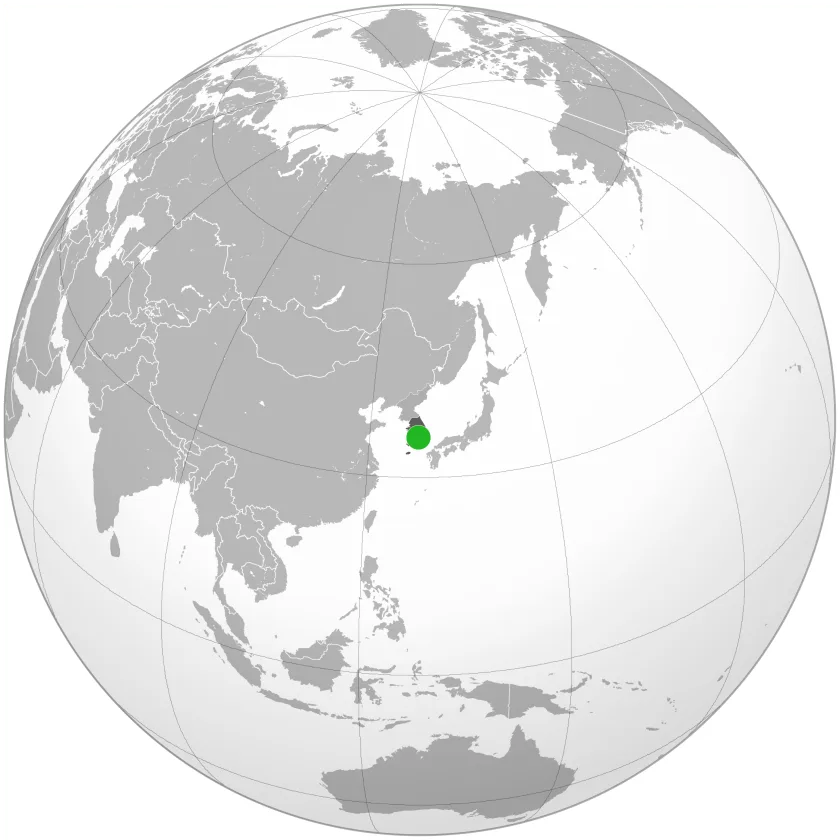
Samsung is building a large semiconductor manufacturing complex in Pyeongtaek, South Korea. Three fabs are already running continuously, and a fourth is being brought into service. A fifth fab was under construction when demand for memory chips dropped in 2024, but that work was halted. The AI boom later pushed demand higher, and construction restarted.
Samsung expects demand for memory chips to keep surging through 2028. That forecast explains the urgency at the site. For years, Samsung saw domestic rival SK Hynix move ahead in the global market for high-bandwidth models used with Nvidia's AI accelerators. TSMC has led the foundry business, producing chips that other firms design. The Pyeongtaek expansion is Samsung's effort to take back the memory-chip lead.
Development: Lunchtime Shows the Scale of the Site
Before noon on a Monday, workers are leaving Samsung's Pyeongtaek fabs. The city is south of Seoul, and rice paddies sit next to a large chipmaking complex. Thousands of workers wear black clothing with sky-blue vests and helmets marked with names and fab numbers. They walk to lunch in chunky sneakers with yellow rubber toe guards, while some use scooters or motorcycles to cross a campus about the size of New York's Central Park.
The campus includes buffets, diners, and beef stew joints. Banners advertise short-term leases for studio apartments. Some workers stop by real estate offices, stepping up to counters similar to those used by Samsung's salaried engineers buying new homes.
Latest Progress: Safety Work and a Race to Regain Lead
In front of the fourth fab, Choi Hye-rin, a 35-year-old safety officer, wipes her forehead after arriving from Songtan on a dawn shuttle bus. Songtan is an older, scrappier district. She oversees safety for a crew building cable ducts. Her work includes writing reports, inspecting equipment, and checking the chemicals handled by workers. She is one of hundreds of women on site, many employed as spotters who walk ahead of heavy equipment.
Safety messages are visible everywhere. Banners hanging from the highest girders read, “Even if the work runs late, don’t rush.” A large LED scoreboard displays the winners of a safety-poem contest. Helmets stickered with the pledge “I will not work if it’s not safe” sit atop lockers. After lunch, construction picks back up. Excavators move past rust-red steel structures rising under tower cranes, while finished fabs glisten from across the street.
Current Stage: Construction Continues While the Market Moves
Choi has no plans to leave despite brutal heat and crowded work zones. “The rate here is higher than other construction sites, and the work is relatively easy,” she said. She is paid 140,000 won ($97) a day and expects the boom to keep her busy for some time: “You just keep coming back.”
Samsung Pyeongtaek is currently in an active expansion phase: three fabs are running, the fourth is being brought online, and the fifth has restarted after the 2024 pause. The next signal to watch is whether memory chip demand really keeps rising through 2028, as Samsung predicted.
Comments
No comments yet. Be the first to comment.