
The Download tests six technology promises and examines biotechnology’s blind spots
Six technology promises are examined alongside biotechnology blind spots, gene editing, cancer vaccines, Starlink, web flaws and data-center news.
Key Takeaways
- MIT Technology Review’s The Download revisits six “impossible” technology promises, including exercise in a pill, nuclear-powered spaceships, decoding pet sounds, removing forever chemicals, and reaching Mars much faster.
- The biotech coverage reflects on the Elizabeth Holmes documentary, warning that science reporting has blind spots and that appealing narratives can obscure what is actually true.
- Ten major updates span genetically enhanced military dogs, Starlink access in Ukraine, a widely discussed PHP security flaw, mRNA cancer vaccine results, prime editing reaching a human patient, and Google’s data-center energy arrangements.
- Additional highlights include praise for volunteer developer Ondřej Surý’s work patching PHP vulnerabilities, and the growing use of sonification to make scientific information more accessible and revealing.
- The edition frames these stories as a progress check on transformative technologies, while also inviting readers to participate in upcoming Roundtables voting.
Meta description: MIT Technology Review revisits six promises as The Download tracks biotech, Starlink, PHP, vaccines, gene editing, Google, climate and electric-vehicle news.
Tags: MIT Technology Review, The Download, biotech, Starlink, PHP
Featured image: abstract technology timeline with glowing nodes and six numbered pathways, no people, logos, or text.
The Download, MIT Technology Review's weekday technology newsletter, opened its latest edition with a progress check on six potentially transformative technologies and ideas that have been “just around the corner” for years, or even decades. The edition framed the feats as too good to give up on. In the new Impossible issue, the publication ran progress reports, asked experts what is holding them back and how far they have come, and collected stories on how they all stacked up. The promises include an exercise in a pill, nuclear-powered spaceships, decoding a pet's yowls and yips, scrubbing forever chemicals and reaching Mars in a fraction of the time. The Download said it will unpack each of the six technologies over the coming days. The must-read list carried ten updates presented as today’s most fun, important, scary and fascinating technology stories.
Background: Biotech Coverage Meets A Cautionary Documentary
Earlier this week, Jessica Hamzelou, writer of The Checkup weekly biotech newsletter, attended a screening of You Can See Everything, the buzzy new documentary about disgraced former biotech CEO Elizabeth Holmes. Hamzelou felt unsettled by Holmes’s fraud and disturbing interactions between subjects, and by a concern about covering science for most of her career: despite best efforts, we cannot actually see everything. In the biotech world, you cannot see everything. The film reminded her how easy it is to fall for an appealing narrative and left her questioning how science is covered. The Checkup arrives every Thursday, and readers can sign up; readers were also asked to choose the next Roundtables topic by voting Monday at 12 p.m. Eastern Time.
Development: Ten Updates Span Dogs, Starlink, PHP, Vaccines And Data Centers
Warhound, Palmer Luckey’s new startup, plans to genetically enhance military dogs to detect explosives and protect troops, Wired said. TechCrunch reported it raised $200 million from investors, including Sequoia, and Bloomberg said Colossal Biosciences will help clone and gene-edit the dogs; MIT Technology Review separately reported the Pentagon wants an AI-powered lie detector.
Reuters reported Donald Trump said Elon Musk had restored Ukraine’s Starlink access, while Zelensky said Starlink speeds remained capped; the WSJ said Trump reportedly asked Musk to lift the speed limits. NBC News said the newly disclosed flaw in PHP, a widely used web programming language, is yet to yield successful attacks and experts say the vulnerabilities are harder to exploit than expected. BBC noted officials urged patches after the flaws forced websites offline worldwide, while The Economist warned publicly disclosed fixes can help hackers.
Ars Technica said Moderna and Merck reported their messenger-RNA, or mRNA, cancer vaccine cut death by 42% and reduced melanoma patients’ risk of recurrence; MIT Technology Review reported federal health agencies are abandoning mRNA. Nature said a powerful new gene editor reached its first human patient, using prime editing to rewrite DNA in liver cells, while MIT Technology Review noted companies are planning gene-edited babies.
NYT reported Google will pay customers to free up power for data centers, with a virtual power plant rewarding people for adjusting energy usage; Guardian said Google also illegally felled 250,000 trees in Finland for a data center. Vanity Fair reported Dutch spies allegedly hacked Jared Kushner’s iPhone and alleged financial links to foreign officials. Wired said fossil fuels may have stopped the next ice age because modern warming reversed 2,000 years of ice growth. New Scientist said scientists recreated solar flares to explain the corona’s mystery and why it is so hot. WSJ described a road trip with America’s cheapest electric vehicle showing charging is much improved, with fast chargers keeping the journey manageable despite sparse coverage; MIT Technology Review added bigger electric vehicles are not always better.
Latest Progress: Security Heroes, Sonification And Current Stage
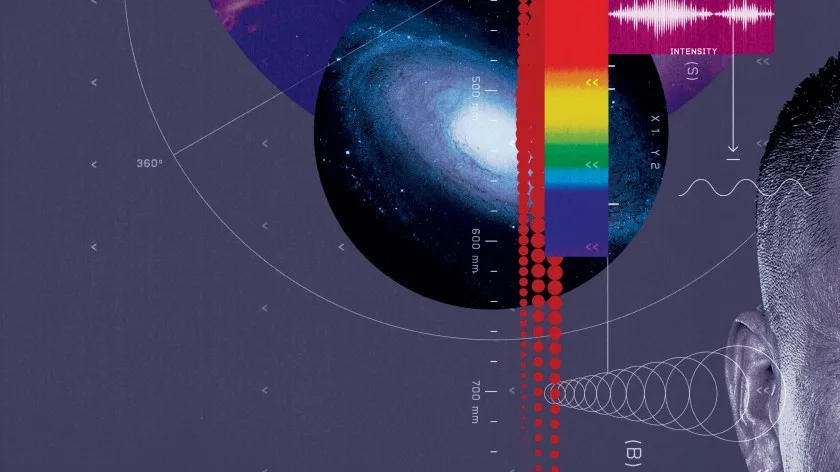
The quote of the day came from software developer Ian Landsman, who said on X that volunteer Ondřej Surý’s work on patching PHP vulnerabilities makes him an unsung hero of the entire internet: “If anything happens to this guy, that’s just it. Everyone is screwed.” The one-more-thing section included Stuart Bradford and Corey S. Powell. Powell wrote that for decades astronomy relied on visual information such as images, charts and graphs, but researchers are now listening to the universe. Using sonification, the process of turning information into sound, they help blind and visually impaired researchers explore the cosmos and may uncover patterns otherwise unnoticed; the approach is spreading beyond astronomy into climate science, navigation and education. The item invites readers to discover how sound could make science more accessible—and even more revealing.
The newsletter’s “We can still have nice things” section called itself a place for comfort, fun and distraction to brighten the day, and invited readers to drop a line with ideas. It listed a Guinness World Record set by domino experts with a 29,193-piece 3D pyramid; scientists suspecting pigeons sense Earth’s magnetic fields using specialized immune cells in their livers; vivid microscopic images from the Nikon Small World competitions that let readers see inside cells like never before; and cuddly capybaras and playful penguins joining 10,000 animals on the scales for London Zoo’s annual weigh-in. The edition is now in a review stage: six impossible promises await unpacking, Roundtables voting closes Monday at 12 p.m. Eastern Time, PHP patching and Starlink speed limits remain open questions, and vaccine, gene-editing, data-center and science-access stories are set for follow-up.
Comments
No comments yet. Be the first to comment.