
Figma introduces new features that define how agents operate on its platform
Figma launches Markdown specs, beta code layers, and Payload CMS to guide AI agents toward brand-consistent design output.
Key Takeaways
- Figma introduced Specs, a Markdown-based editor that lets teams define design systems and brand rules in one place, giving AI agents clearer guidance for consistent output.
- Its code layers feature entered public beta, allowing users to add code to designs on canvas and ask agents to generate or modify prototypes.
- Figma integrated Payload, the headless CMS it acquired, into Figma Make to connect design definitions with dynamic websites and content management.
- The announcements were made at Figma’s first Config event in India, underscoring India’s importance as its largest market outside the US.
- The overall goal is to make AI-assisted design and building more predictable, controllable, and aligned with company standards.
Figma Unveils Markdown Design Specs and Payload CMS Integration at First India Config
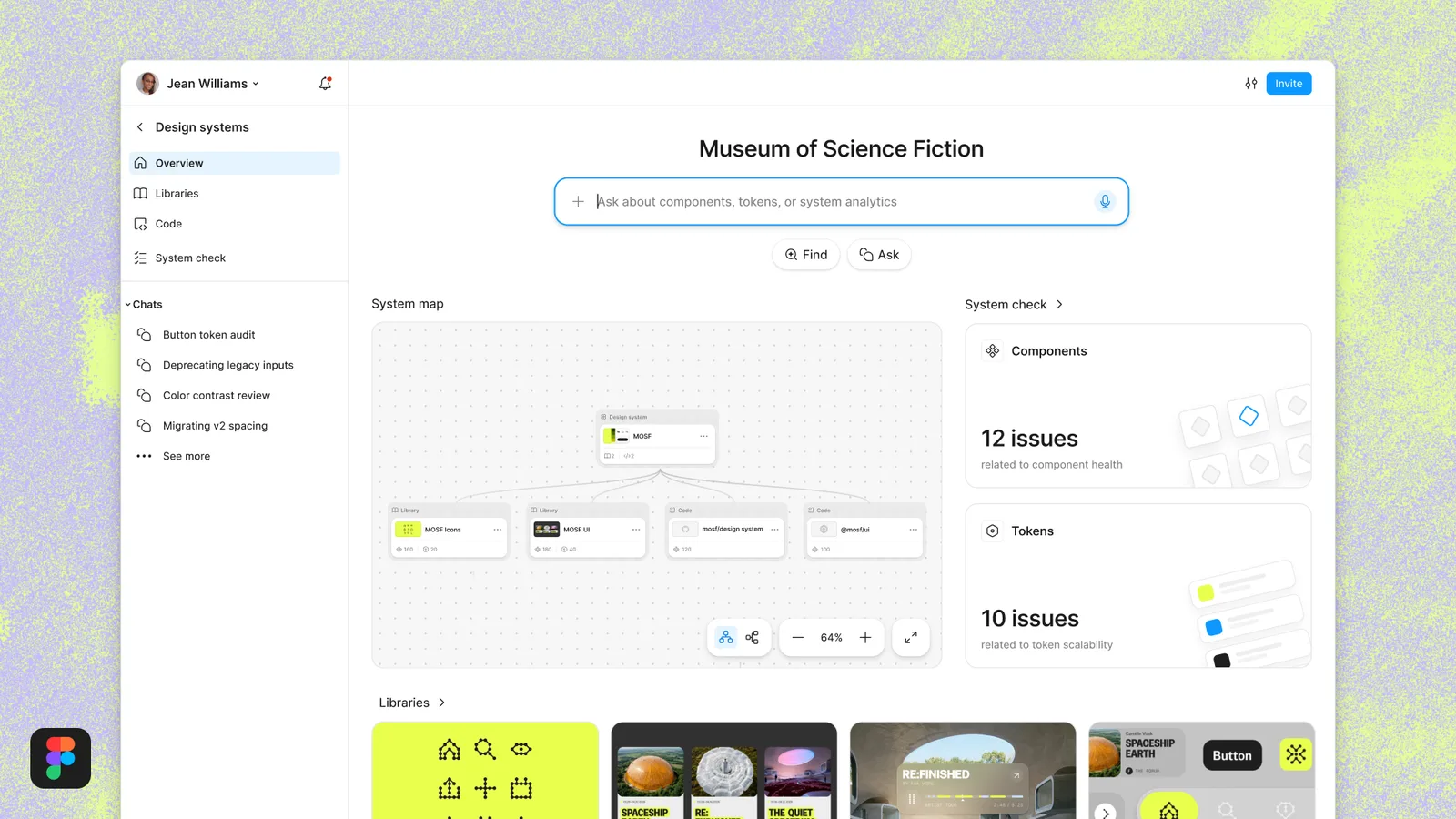
Figma used its first Config event in India to announce a Markdown-based editor for defining design systems, open its code layers feature to public beta, and integrate the Payload headless CMS into Figma Make. The moves show the design platform trying to turn AI-assisted building toward predictable, brand-consistent output.
Background: From Design Tool to Definition Layer
Figma positions itself as the place where software teams decide what they build and ship. Chief design officer Loredana Crisan told TechCrunch that AI has shifted how much code gets written: 17-times more lines of code are produced today than in the past, while releases have grown only 1.3-times. Much of that code, she said, is not built to ship but to discover what a product is — it is built to design.
That gap between generated code and shipped releases is the problem Figma's new features target. The company recently widened access to its agent on canvas, and because AI output is non-deterministic, it is adding tools meant to steer agents toward more predictable results.
Figma Specs: A Markdown Editor for Design Rules
The headline launch is Figma Specs, a Markdown editor that lets users define their design language in a simple way. The document can act as a reference for teams and agents designing in Figma. Specs can live as a standalone file or co-exist inside the canvas.
Beyond plain text editing, users can reference other Figma elements, including items on the canvas, and embed FigJam diagrams, code layers, and designs. Teams can also pull in more context — design libraries, code libraries, and guidelines — to manage the design system's context in one place. Agents can refer to this centralized system to follow brand rules, which is the mechanism Figma is offering to make AI-generated work adhere to a company's design standards.
Code Layers and MCP Support
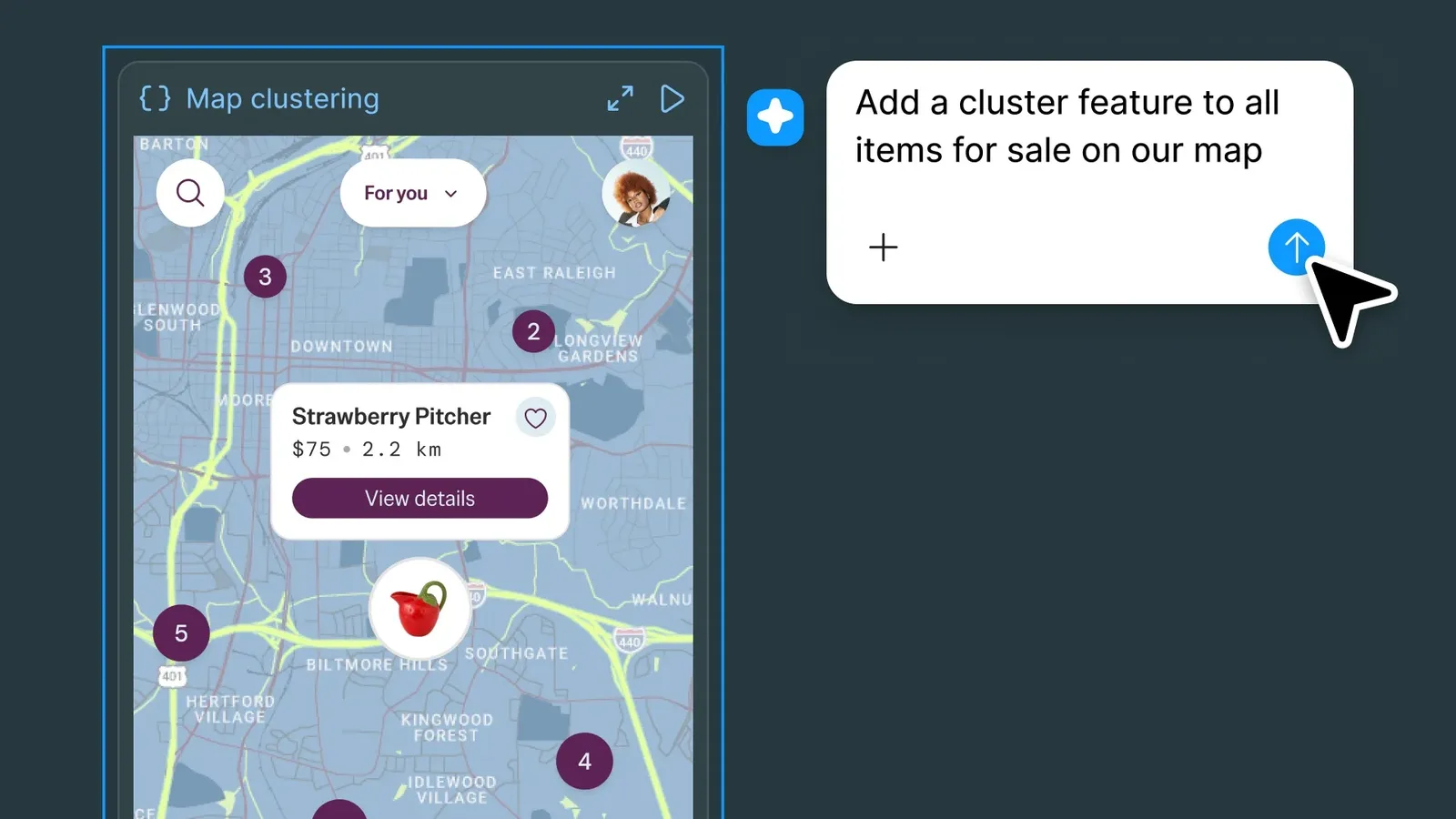
Figma also moved its code layers feature, which adds coding to designs on canvas for more interactive prototypes, into public beta at the India event. The company had announced the feature in private beta in June. Users can ask the agent to turn a design into code or modify part of the code to iterate on a prototype.
The company said its MCP now supports over 20 new tools, including Open Code, Dia, Grok Bot, and Indian AI startup Sarvam.
Payload Integration and India Presence
Figma acquired open-source headless CMS Payload last year, and is now integrating it with Figma Make, the product for generating dynamic websites and managing content directly. Figma said Payload's downloads have increased sixfold over the last 12 months.
India is central to the announcement. Figma opened its first office in the country late last year, covering sales, partnership, go-to-market, and product support functions. The company said India is its biggest market by users outside the United States, and that its platform works with 40% of India's top 100 companies listed on the Bombay Stock Exchange.
What to Watch
The through-line is control: Specs gives teams a written definition that both humans and agents can follow, while code layers and the Payload integration connect that definition to working prototypes and live content. The open question is whether a Markdown document can meaningfully constrain non-deterministic agents at scale, and how quickly the public beta of code layers surfaces real production use rather than demos.
Comments
No comments yet. Be the first to comment.