
Satya Nadella warns that many critical infrastructure systems are unpatchable amid fears of AI-driven cyberattacks
Nadella links Outlook disruption to broader AI-driven risk from internet-connected, unpatchable hardware in critical infrastructure.
Key Takeaways
- Microsoft CEO Satya Nadella warned that many critical infrastructure systems rely on unpatchable software and firmware, making them increasingly vulnerable to AI-enabled cyberattacks.
- The recent Outlook disruption highlights a broader problem: as everyday devices, facilities, and transportation systems become internet-connected, the attack surface expands far beyond ordinary software.
- AI is accelerating both vulnerability discovery and exploitation, forcing companies to patch systems faster, which can create instability when updates must be deployed immediately.
- Organizations need modernization and real-time detection and defense, but the unresolved risk remains internet-connected, unpatchable hardware and operational systems beneath software.
Microsoft CEO Satya Nadella said on Wednesday at The New York Times' DealBook Summit that the recent Microsoft Outlook disruption points to a broader security problem: AI-aided cyberattacks are making unpatchable infrastructure harder to defend across American software systems, everyday hardware and transportation networks.
Background: Outages and Connected Infrastructure
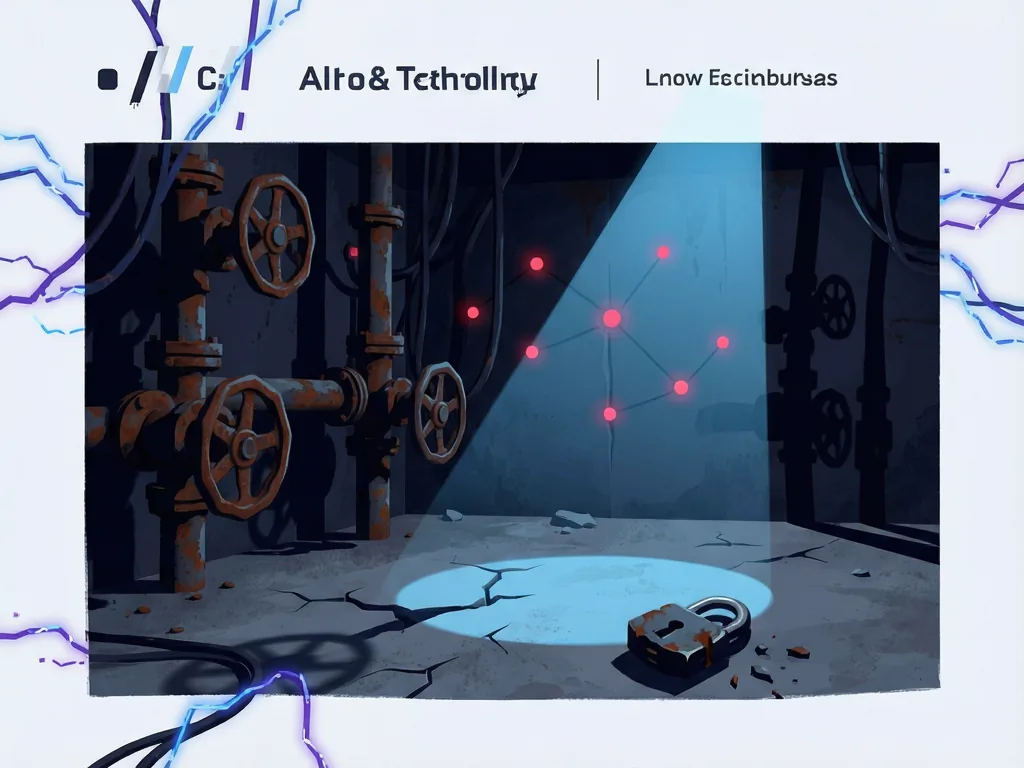
Nadella spoke against a backdrop of recent large-scale outages involving Microsoft Outlook, NSA, FFA and Apple. Concerns linked those incidents to cyberattacks, although officials denied that explanation. The structural issue he described is the smartification of the economy. Many devices once considered dumb were hooked up to the internet, and that change is creating tremendous operational headaches. He pointed to firmware, chillers used in data centers and heating, ventilation and air-conditioning systems as examples of infrastructure now exposed on the internet.
Development: Unpatchable Firmware and Transportation
The warning centered on systems that cannot be patched as easily as ordinary software. Nadella said a lot of software in critical infrastructure is unpatchable, and those systems are waiting to be exploited in the age of AI-aided cyberattacks. He also described a report about transportation systems where a large amount of software is discoverable but sits on unpatchable firmware. That makes the risk extend beyond the Outlook incident and data-center cooling systems. It reaches hardware and operational systems, including transportation, where software exposure cannot be fixed through a simple update cycle.
Latest Progress: Outlook Response and Patching Pressure
Nadella addressed the recent Outlook situation briefly. He said the global inconvenience was the result of a latent bug that led to a perfect storm. Microsoft put out an incident response, and he said the company will take the learnings from both upstream architecture and operations to fix the problem. A second theme was speed. Nadella said the process of patching software vulnerabilities has escalated to match the speed of potential exploitation, but that this has created more problems. AI now provides a very powerful tool for finding vulnerabilities. Companies once had more time to test patches, understand the situation and deploy them. At the same time, AI has made sophisticated cyberattacks much easier to enact. The result, he said, is that a patch may need to go instantly from being available to being patched in production because exploitation is already happening in the wild. That immediate patching requirement can create instability.
Current Stage: Modernization and Real-Time Defense
Nadella framed the next step as modernization and assessment. Organizations will need to understand the threat vector and measure their ability to detect and defend in real time. The reality of AI-aided cyberattacks is pushing companies to find new strategies for vulnerability discovery and remediation. At present, the unresolved part of the problem is the internet-connected, unpatchable hardware and operational systems that sit underneath software and cannot be fixed as quickly as the exploitation speed demands.
Comments
No comments yet. Be the first to comment.