
Amazon is building its home robot team
Amazon resets home robotics around Fauna Sprout, while Zipline's $21.5 billion valuation and Walmart drone deal show autonomous logistics scaling.
Key Takeaways
- Amazon is rebuilding its home robot strategy around Fauna Robotics’ Sprout, folding the startup into a new Personal Robotics Group after earlier Astro and iRobot setbacks.
- Sprout remains a $50,000 research-grade humanoid, highlighting the gap between Amazon’s long-term ambition and consumer-ready home robots.
- Zipline’s $21.5 billion valuation and Walmart’s national drone delivery deal show that home robotics and autonomous logistics are shifting from demos to operating networks.
- Amazon, Walmart, Uber, and others are expanding drone and delivery infrastructure, but regulatory approvals and local resistance may slow growth.
- The broader robotics field is widening, with startups advancing cabless electric trucks, industrial welding robots, and robot-training data platforms.
Meta description: Amazon's Fauna Sprout robot and Zipline's $21.5 billion valuation show the race to scale home robots, drone delivery, and autonomous logistics.

Tags: Amazon, Fauna Robotics, Zipline, home robots, drone delivery
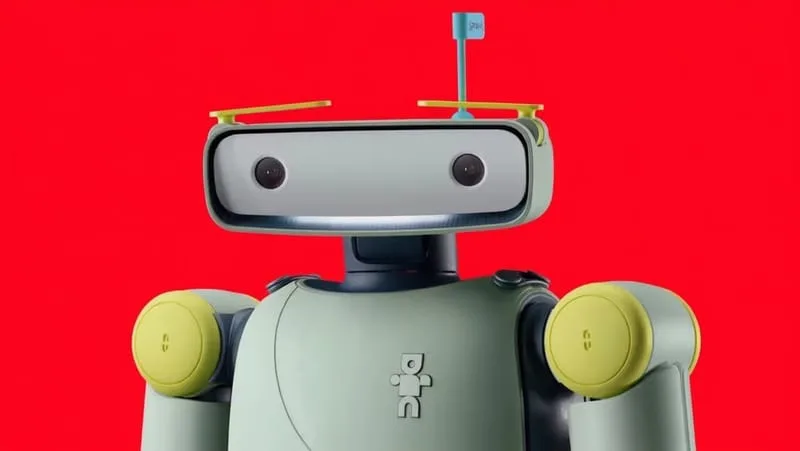

A November 9, 2026 robotics update shows Amazon resetting its home robot effort around Fauna Robotics' Sprout, while Zipline's $21.5 billion valuation and Walmart drone deal point to a larger shift from robotics demos to operating networks.
Background: Amazon's long detour into home robotics
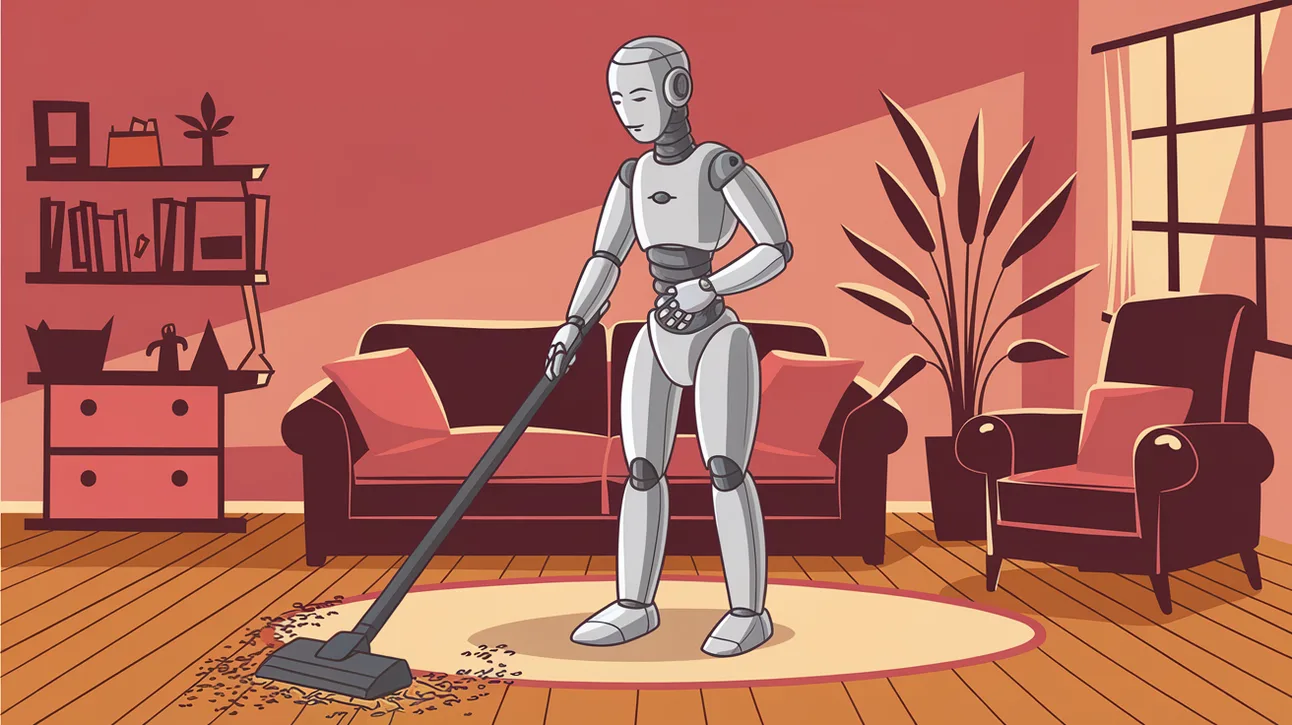
Amazon's modern home robot attempt began with Astro, a $1,450 wheeled robot that appeared in 2021. It remained invite-only and reached only a few thousand homes. A second route collapsed in January 2024 when EU scrutiny ended the iRobot acquisition, leaving Amazon with a $94 million breakup fee. Those failures explain why Amazon is starting again with a new team, a new startup, and a new robot body.
Development: Fauna Sprout becomes the core of a new personal robotics push
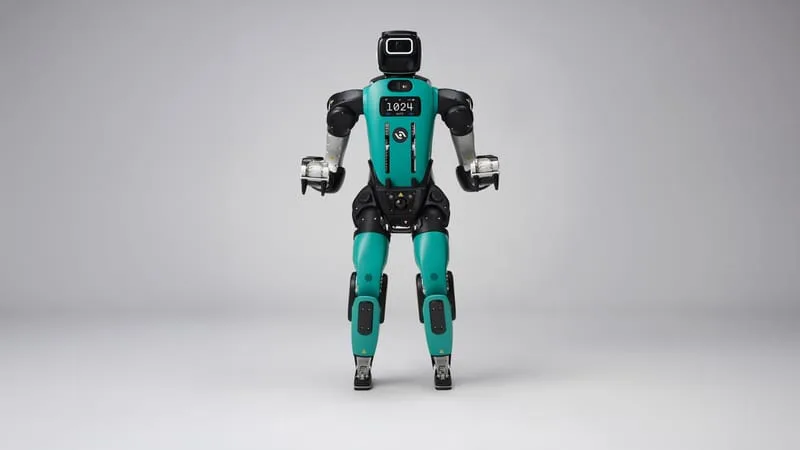
Amazon is rebuilding its home-robot effort around a new personal robotics team and Fauna Robotics, maker of Sprout, a 3.5-foot humanoid that can walk, grip, dance, and hold conversations. Fauna now sits inside Amazon's Personal Robotics Group, which also includes Lab126 staff, the hardware lab behind Kindle and Echo. Amazon moved much of the Astro team onto the project earlier this year and brought in Luca Carlone, a roboticist from Massachusetts Institute of Technology. A spokesperson said Amazon bought Fauna because it is committed to tackling challenges that can unlock the personal robotics category.
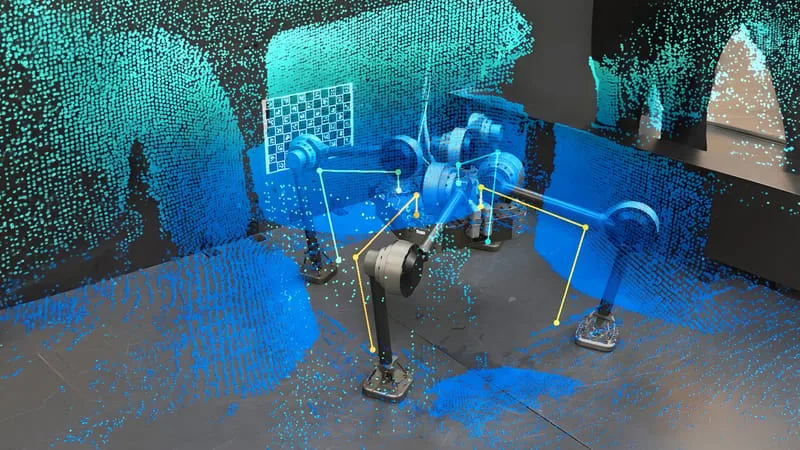
Sprout currently sells to research labs for $50,000, and Disney was an early customer. For consumers, the gap is clear: a $50,000 lab robot is not yet a product for ordinary homes.
Latest progress: Zipline's valuation and Walmart's drone footprint
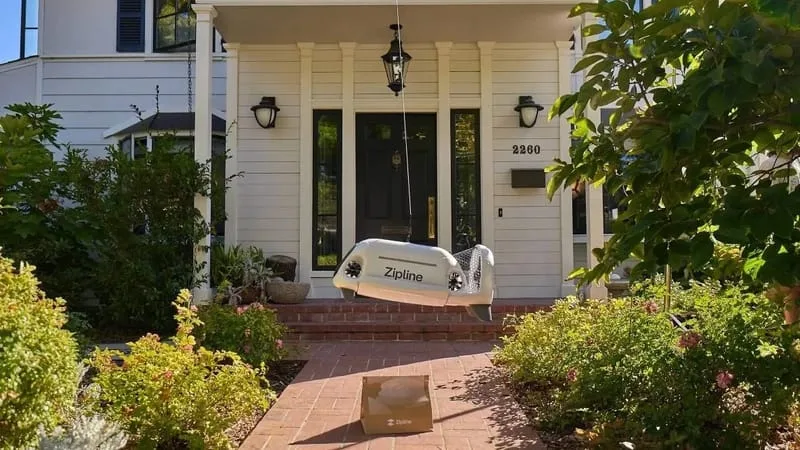
Zipline raised $1.5 billion at a $21.5 billion post-money valuation, nearly triple its January mark, and signed Walmart to a national deal for 300 new drone delivery sites. Walmart will add 300 sites across the United States, up from 21 now in Texas and Arkansas. Zipline's drones first carried blood and medical supplies in Africa; today they haul groceries, retail, and takeout orders weighing up to 8 pounds within a 10-mile radius.
The new funding goes to United States manufacturing and hiring, and Zipline's factory near San Francisco International Airport can already build as many as 20,000 aircraft a year, according to Bloomberg. Uber, which partnered with Zipline in August, is targeting 1 million drone deliveries a day with the company by 2029, according to Zipline. Zipline made more than 1 million deliveries in Dallas-Fort Worth this year and says its median October orders arrived in 19 minutes, compared with 30 or more minutes by traditional delivery. Amazon is taking drones to about 500 United States locations, Walmart also uses Wing, and regulatory approvals and noise-wary neighbors are expected to slow expansion.
Other signals: cargo trucks, ship welders, and platform shifts
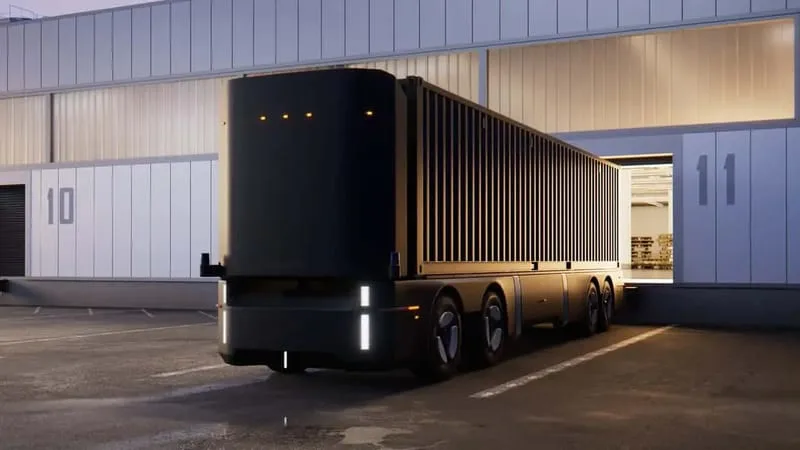
Humble Robotics raised $51 million for electric self-driving trucks with no cab, no steering wheel, and no human driver seat. Obvious Ventures led the Series A, with Eclipse and Energy Impact Partners, bringing the San Francisco startup's total funding to $75 million. The Humble Hauler is designed to carry 40-foot shipping containers on regional freight runs under 250 miles, such as ports, warehouses, distribution centers, and repetitive routes. Founder Eyal Cohen, formerly of Uber autonomy, told Business Insider that customer pilots start in the first quarter of 2027 and commercial operations in the third quarter of 2027; no commercial freight has moved yet. Rivals Aurora and Kodiak put self-driving systems into conventional semis with cabs, while Humble and Einride build cabless trucks. Routes under 250 miles carried 87% of United States truck freight by weight in 2021, per the Department of Energy.

Diden Robotics, founded in 2024 by four researchers from the Korea Advanced Institute of Science and Technology humanoid lab, built Spider, a four-legged robot that clings to steel walls and ceilings and hauls 66 pounds of welding gear. It uses electro-permanent magnets that switch with a short electrical pulse and hold without continuous power. It localizes without Global Positioning System data by comparing live three-dimensional sensor scans against a ship's computer-aided design model. Diden says Spider is in welding trials at Korea's three major shipbuilders, plans mass production in 2027, and wants about 250 robots on industrial sites by 2028 after signing its first export contract with an unnamed European client in October. In June, it was seeking about $65 million at a valuation near $324 million.
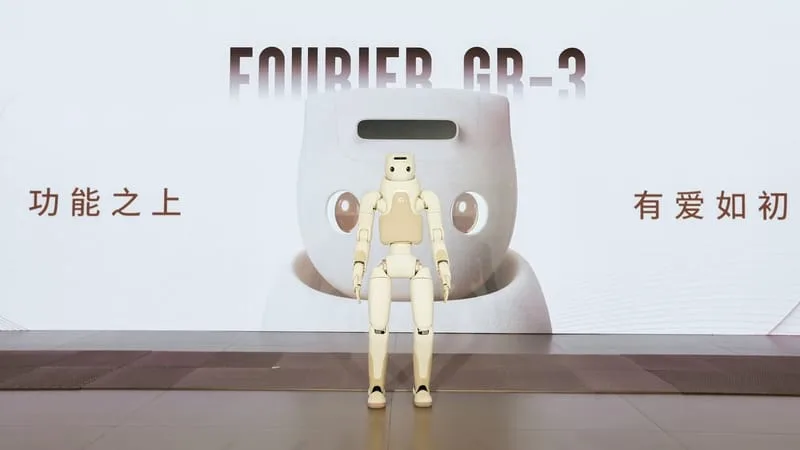
Quick developments show the category widening. Hugging Face CEO Clément Delangue said robotics datasets are nearing 100,000, models are at 30,000, and LeRobot has passed 1 million downloads. Beijing-based GenRobot AI raised $100 million in Series A+ funding for robot-training data infrastructure. Japanese researchers developed humanoid robot legs made through three-dimensional printing that mimic bones, muscles, tendons, and ligaments. Researchers warned that tampering with a robot's camera feed can sharply raise the odds its AI model will attempt something dangerous, a concern that grows as robots enter homes. Serve Robotics is selling sidewalk-bot technology to other makers, with Bedrock Robotics a customer. Pudu Robotics, which earns about 80% of sales overseas, is expanding from service robots into humanoids to compete with Tesla. Massachusetts Institute of Technology and New York University researchers built FLEX, which helps robots infer intent. AGIBOT tested six G2 humanoids in a 24-hour convenience-store challenge, stocking shelves, preparing food and coffee, and greeting customers. A California Institute of Technology robot autonomously built part of a structure in orbit, pointing toward space telescopes, antennas, and solar-power stations assembled in space. The Royal Navy launched its first autonomous squadron, putting uncrewed boats on frontline reconnaissance, escort, and potentially strike missions.
What to watch next
Amazon's test is whether a research-lab humanoid can become a household product. Zipline's test is whether drone delivery can scale from 21 Walmart sites to 300 without regulatory and neighborhood friction. The robotics sector is shifting from single demonstrations to connected operations: home robots, delivery drones, cabless trucks, ship-welding quadrupeds, and training-data platforms. The next phase will be measured less by novelty and more by uptime, safety, and daily usefulness.
Comments
No comments yet. Be the first to comment.