
Procter & Gamble plans to reduce its manufacturing workforce by up to 30 percent by 2030
Procter & Gamble is restructuring its supply chain through Supply 3.0, combining unattended logistics facilities, digitization, automation, employee retraining and sustainability goals. It has opened 15 unattended logistics sites and plans to expand the model. The company expects the unattended facility model to lift productivity by 20% by 2030 and aims for up to USD 1.8 billion in annual cost-of-goods savings and 90%-plus free-cash-flow productivity. It also plans to reduce its manufacturing workforce by up to 30% by 2030, shifting freed capacity toward higher-value roles.
Key Points
- P&G is restructuring its supply chain through “Supply 3.0,” combining unattended logistics, digitization, automation, employee retraining, and sustainability goals.
- The company has already launched 15 unattended logistics facilities and plans to expand this model, with workforce reduction in manufacturing targeted by up to 30% by 2030.
- P&G expects the unattended facilities to improve productivity by 20% by 2030, freeing employees to shift toward higher-value work.
- The program aims for up to USD 1.8 billion in annual cost-of-goods productivity savings and 90% or higher free-cash-flow productivity by the end of the decade.
- Key risks to watch include the pace of facility expansion and whether employees can successfully move into higher-value roles enabled by automation.
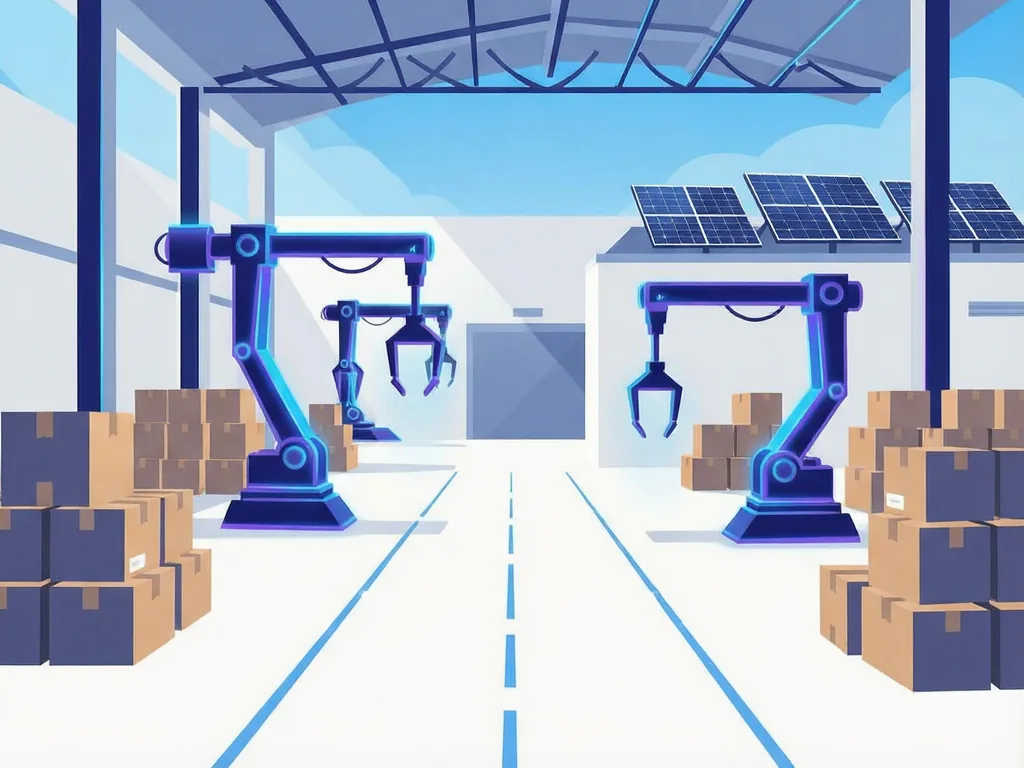
Procter & Gamble is restructuring how its supply chain operates through a program it calls Supply 3.0, an initiative that combines unattended logistics facilities, operational digitization, employee retraining and sustainability goals. The consumer goods company has already brought 15 unattended logistics facilities online and intends to expand that model in the years ahead.
Background: Why P&G Is Reworking Its Supply Chain
The Supply 3.0 program rests on five stated priorities: keeping supplies reliable, digitizing operations, introducing automation, training employees to work with new technologies, and improving sustainability. Together these form the company's answer to the operational pressures facing large-scale consumer goods manufacturing, where supply reliability and cost of goods sold weigh directly on margins.
Development: Unattended Facilities and the Productivity Target
The 15 unattended logistics facilities already launched are the most visible piece of the program. According to Reynaert, these sites are expected to lift productivity by 20% by 2030, with the freed capacity allowing employees to shift toward higher-value work rather than manual logistics tasks. The productivity figure applies to the unattended facility model as it scales, not to the company as a whole.
Alongside the automation rollout, P&G is targeting up to USD 1.8 billion in annual productivity savings from its cost of goods sold by the end of the decade. The company also aims to reach free-cash-flow productivity of 90% or higher through the supply chain improvements, a metric that reflects how efficiently the operation converts revenue into cash.
What to Watch Next
Two dates frame the program: 2030 for the 20% productivity gain at unattended facilities, and the end of the decade for the USD 1.8 billion annual savings target and the 90%-plus free-cash-flow productivity goal. How quickly P&G expands beyond the current 15 unattended sites will indicate whether the model is delivering at the pace the targets assume. The employee-training component is the other variable to track, since the productivity gains depend on staff being able to take on the higher-value work that automation frees up.
The supply chain program sits alongside broader questions about automation and employment in large companies, a topic P&G's efficiency targets will continue to feed into as the decade progresses.
Comments
No comments yet. Be the first to comment.