
Track the latest news about AI data centers.
AI data center growth in the US sparked power, water, pollution, and cost backlash, driving state restrictions and federal political fights.
Key Takeaways
- Massive AI data center expansion by major tech companies has triggered political, environmental, and community backlash over power, water, and land use.
- Governments have responded with moratoriums, audits, restrictions, and federal proposals, while some companies offer concessions such as paying for their own energy and reducing water use.
- The issue became politically costly by the 2026 midterms, with voters increasingly opposing data center growth amid rising electricity costs and local protests.
- The sector now faces greater scrutiny, financial uncertainty, operational challenges, and pressure over environmental impact, e-waste, and accountability.
The rapid buildout of massive AI data centers has become one of the most contentious technology stories, with battles erupting across the US over power grids, utility bills, water use, and environmental impact. What began as an infrastructure race among OpenAI, Amazon, Microsoft, Google, Meta, and others has turned into a political flashpoint. By the 2026 midterms, data centers were a major bipartisan issue, and voters largely opposed expansion at the polls. Democratic leaders have since called for further restrictions and slowdowns that AI companies must now navigate.
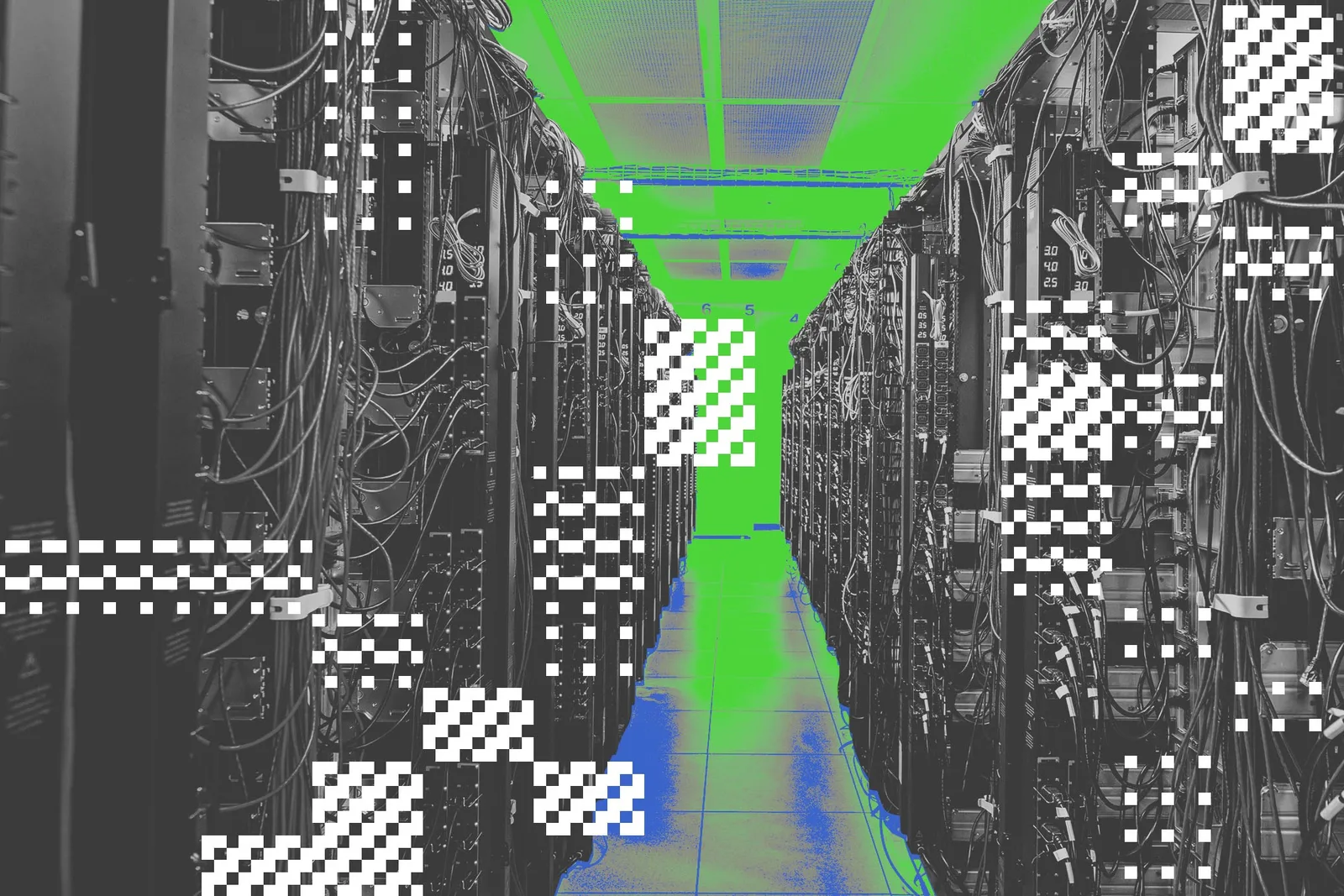
Background: From Construction Boom to Political Liability
The scale of investment is staggering. Anthropic committed $50 billion to building AI data centers in the US and signed a 20-year lease for a facility in Kentucky, reportedly paying $15 billion a year for access to Elon Musk's data centers. Nvidia guaranteed up to $105 billion to support an OpenAI data center and invested $5 billion into Intel to jointly develop PC and data center chips. OpenAI, Oracle, and SoftBank announced five new AI data centers as part of Stargate and started a $500 billion AI data center company. Microsoft received approval to build 15 data centers in Mount Pleasant, Wisconsin, and moved to convert Foxconn's empty buildings into what it called the "world's most powerful" AI data center. Meta and BlackRock partnered on a data center campus, while Alphabet acquired a data center company outright.
The physical footprint brought physical problems. Amazon's data centers used 2.5 billion gallons of water in a single year. Electricity costs in communities near data centers rose up to 267 percent. The largest power grid system in the US considered rolling blackouts because of energy-hungry data centers. A 40,000-acre project in Utah was approved despite community outcry, while Kevin O'Leary later agreed to downsize a massive Utah data center. At least 37 people were reportedly arrested for protesting data centers. Reports emerged of a Microsoft-backed facility running on unpermitted generators, and an Amazon data center was linked to what could be the worst-polluting power plant in the country.
Key Developments: Policy, Politics, and Pushback
State and federal responses accelerated through 2025 and into 2026. New York became the first state to enact a data center moratorium, with lawmakers passing a one-year ban on new facilities. California tightened rules on AI data center energy and water use and examined whether Proposition 45 contained a loophole for data centers. Texas said data centers must pass an audit before connecting to the grid, though the state continued permitting them despite a supposed statewide moratorium. Virginia's governor created an AI task force and moved to restrain data centers. Oregon saw data centers possibly contributing to increased cancer and miscarriage rates, while residents near Lake Tahoe had to look for a new power source as demand soared.
The Trump administration took a different tack. Trump claimed tech companies would sign deals to pay for their own power supply, and seven tech giants signed his pledge to keep electricity costs from spiking around data centers. Trump's EPA moved to let data centers hide their air pollution, and the DOJ argued that xAI's gas-powered data center was necessary for national security. Trump also said paying communities a "dividend" could make data centers more popular. A lame-duck Congress considered speeding up energy projects, and a bipartisan bill aimed to hold data centers accountable for their energy use. Senators pushed to find out how much electricity data centers actually use, and mandatory energy usage surveys were introduced.
Companies made their own concessions. OpenAI stepped back from NDAs for data center projects, quietly renamed data centers "compute campuses," and pitched data center power plants as a way to protect nearby areas. OpenAI also said its data centers would pay for their own energy and limit water usage. Anthropic said it would try to keep its data centers from raising electricity costs. Microsoft scrambled to quell fury around its new AI data centers and said a new cooling method could enable more powerful chips and efficient data centers. Nvidia said its AI data center design runs hotter to use much less water. Google developed a "moonshot" plan for AI data centers in space and worked with SpaceX on orbital launches, while a Japanese real estate company built a data center in an underground tunnel.
Latest Phase: Accountability and Uncertainty
The political ground shifted decisively. Data centers lost the midterms, with Maine Republican Susan Collins conceding her Senate seat in a tech-fueled race, a Democrat projected to win an Ohio seat that Republicans warned could spell trouble for data centers, and data center-dense Texas turning blue. Polls showed Americans souring even further on data centers, with 43 percent blaming them as a major reason for rising power bills. Erin Brockovich created a map of data centers in the US, and the NAACP issued guiding principles for data centers, telling tech companies to "be on alert." South Park ran a data center infestation storyline. Willie Nelson pushed back against data centers in his hometown, and the mayor of Shelbyville, Indiana, said only people who live in "shitty houses" oppose data centers.
Operational and financial strains surfaced. Neocloud CoreWeave's bonds were distressed. Microsoft abandoned the UK's largest data center project. An ICE action hit a Meta data center project. Data center projects were reportedly dropping like flies. Nvidia said some AI GPUs were "sold out" while its data center business grew by $10 billion in just three months. AMD's data center business boomed while gaming took a backseat, and CEO Lisa Su declared, "We are a data center first company." Racks of AI chips proved too heavy, and the e-waste problem grew. Highway robbers targeted trucks carrying data center components. Iran threatened OpenAI's Stargate data center in Abu Dhabi, and the spiraling Iran conflict raised questions about data centers and electricity costs. A winter storm tested power grids straining to accommodate AI data centers, and an "icepocalypse" raised more questions about Meta's biggest data center project.
What to Watch Next
The conflict is far from resolved. New York's one-year moratorium will test whether pauses slow the buildout or simply push projects elsewhere. California's rules on energy and water could become a template for other states. The bipartisan accountability bill and mandatory energy surveys may force disclosure that companies have resisted. Meanwhile, the merger of SpaceX and xAI, purportedly to build data centers in space, and Google's orbital ambitions suggest the industry is looking upward for room to grow. Whether voters' opposition translates into durable policy—or fades as AI investment spreads—will determine how quickly the physical foundation of the AI boom can be built.
Comments
No comments yet. Be the first to comment.