
Signal limits mobile screenshots as it faces an existential threat from AI surveillance.
Signal limits screenshots across Windows, Android, and iOS, warning that AI agents can scan conversations and expose private data beyond its control.
Key Takeaways
- Signal is limiting screenshots by default on Windows, Android, and iOS to protect message privacy.
- The move responds to the risk of OS-level AI agents scanning screen content and accessing Signal messages outside the app’s control.
- Signal’s president Meredith Whittaker describes agentic AI in operating systems as an “existential threat” to Signal’s privacy guarantees.
- Users can disable the screenshot restriction, but Signal warns this would break its privacy protections.
- Signal admits the measure is incomplete, as AI agents may still access app data through other methods.
Signal Limits Screenshots Across Windows, Android, and macOS/iOS as AI Agents Threaten Privacy
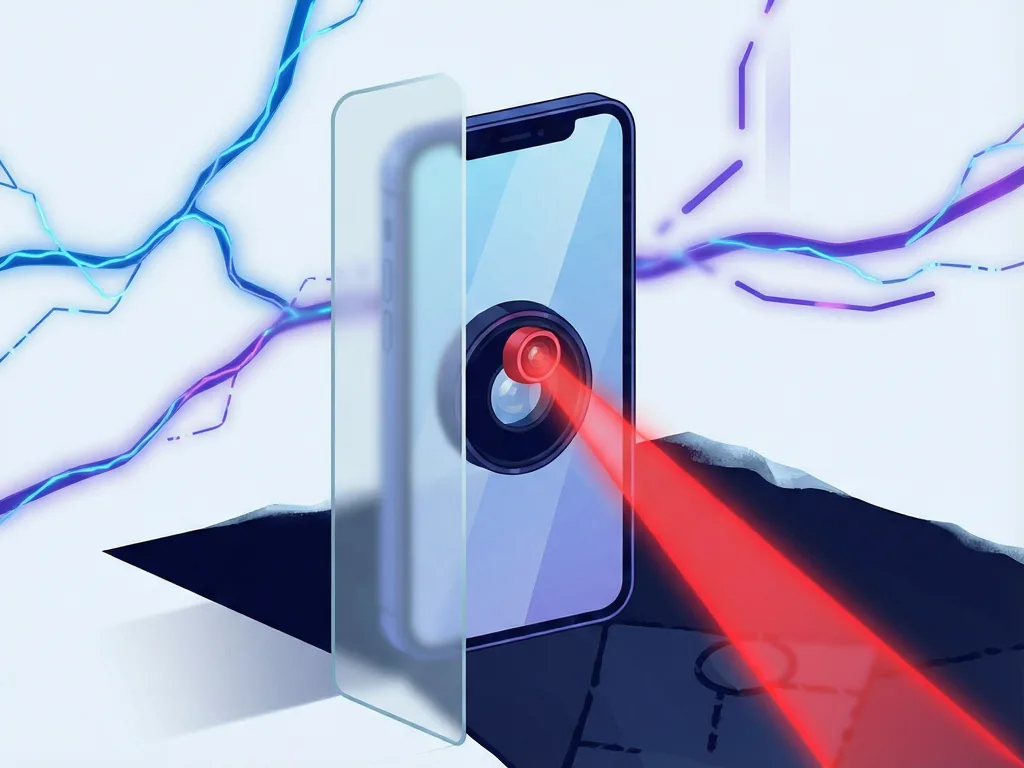
Signal screenshot controls entered a new phase on Friday, when the secure messaging app announced that it is limiting users’ ability to take screenshots. The move is a direct response to what President Meredith Whittaker called the “existential threat” of operating systems that integrate agentic AI. Her concern is that screen-reading AI features can pull message content out of Signal’s protected environment and place it where the app can no longer control it.
Background: Signal’s Privacy Model Meets Screen-Level AI
Signal’s privacy guarantees depend on how the app handles message content and who can access what is displayed. That assumption is being tested by a broader shift in operating systems. Whittaker wrote that Windows, Android, and macOS/iOS are giving AI agents the ability to “scan” the information on users’ screens. She said those capabilities “are undermining Signal’s ability to independently guarantee privacy.”
The key phrase is “scan”: it points to automated access at the operating-system level, not merely a person taking a visual copy. In her description, sensitive data can be captured, stored, and made accessible to “whatever local database or remote server an OS-level AI agent is using at that moment.” Once that happens, Signal says, “All of this is outside of Signal’s control once the data has been captured, and imperils the privacy of all the participants in a conversation.”
Development: From a Windows Default to a Multiplatform Restriction
The change follows an earlier defensive step. Signal had already sought to limit these risks by blocking screenshots of its Windows app by default. Friday’s announcement extends similar restrictions to Android and iOS.
The progression matters because it turns a platform-specific safeguard into a broader posture across the app’s major environments. The app is not trying to make screenshots impossible in every technical sense; it is placing a default obstacle where users’ conversations are most exposed to automated screen reading.
Latest Progress: Opt-Outs, Admitted Gaps, and What to Watch
The restrictions are not absolute. Users can disable the setting if they wish, and Whittaker said doing so would “break our privacy guarantees.” That language frames the opt-out as a trade-off: convenience or screenshot flexibility versus the privacy assurance Signal says it is built to provide.
Signal also admitted that the solution is “incomplete.” The company said the measure does not “address other more sneaky ways AI agents could potentially access application data.” This leaves the current stage defined by partial controls. Default screenshot limits now cover Windows, Android, and iOS, but the larger question is how far app-level privacy can stretch when the operating system itself may mediate access to screen content.
Current Stage:
Signal is now enforcing tighter screenshot defaults across its main platforms while acknowledging that AI agents may still find other paths to application data. What to watch is whether users treat the opt-out warning as meaningful, and whether future agentic AI capabilities push messaging apps beyond screenshot blocking toward deeper platform-level protections.
Comments
No comments yet. Be the first to comment.