
How Do AI Chatbots Retain Your Conversations?
AI chatbots use tokens, context windows, summaries, databases, embeddings, and retrieval-augmented generation to retain and use long chat details.
Key Takeaways
- AI chatbots read text as tokens and can only process a limited amount within the context window.
- For long chats, systems may summarize earlier details so key context can be carried forward without filling the window.
- Conversations are often saved outside the model in databases, with embeddings enabling semantic retrieval by meaning.
- Retrieval-augmented generation brings relevant stored information back into the prompt to guide responses.
- The related Grok/SpaceXSI legal note does not explain the memory mechanism but highlights current AI accountability issues.
AI assistants are often asked to carry details forward across long chats, and the source explains the technical path that makes that possible: tokens define the unit of reading, the context window sets the immediate limit, stored memories can sit outside the model, embeddings can link related ideas, and retrieval-augmented generation can bring useful material back into the prompt.
Background: Tokens and the context window
The source states that AI models read text as tokens, small chunks of words or characters. The context window is the amount of tokenised material the model can consider in one response.
A desk analogy captures the constraint. When the desk fills up, the assistant must decide what stays in view and what gets set aside. For a user, this means a long conversation may not remain fully visible to the model at once. The system works with what fits, then uses other methods to preserve important details.
Development: Summaries, databases, and embeddings
For lengthy conversations, systems may create summaries. Instead of replaying every message, the chatbot can carry forward a condensed version, such as "user is planning a three-day Goa trip in December and prefers budget hotels." That summary can keep the trip context useful without consuming the full context window.
Saved memories are typically stored outside the model in a database. To find useful information, the system may use embeddings: numerical representations that capture meaning. The source illustrates this with "marathon training" and "long-distance running." A later question about long-distance running can retrieve the related memory even without matching words.
This is the part that makes memory feel less like a transcript and more like meaning lookup. Exact wording is not always needed if the stored representation captures the underlying idea.
Latest: Retrieval-augmented generation and related Grok note
The source names the broader approach as retrieval-augmented generation. In that setup, the assistant retrieves relevant stored material, adds it to the prompt, and uses it alongside the current question to produce a response. The practical effect is that a reply can draw on a remembered preference, plan, or past topic, not only the latest message.
The source also includes a related item: "Grok Faces Legal Challenge as SpaceXSI Disputes Accountability for AI-Generated Images." That note does not explain the memory mechanism further, but it connects the discussion to current questions about Grok, SpaceXSI, and accountability for AI-generated images.
The current stage described by the source is a layered workflow. Tokens and the context window define what is immediately available. Summaries compress long chats. Databases and embeddings store and locate related ideas. Retrieval-augmented generation combines stored material with the active prompt.
Meta description: How AI assistants use tokens, summaries, saved memories, embeddings, and retrieval augmented generation, with a related Grok and SpaceXSI legal challenge note.
Tags: AI memory, retrieval augmented generation, context window, Grok, SpaceXSI
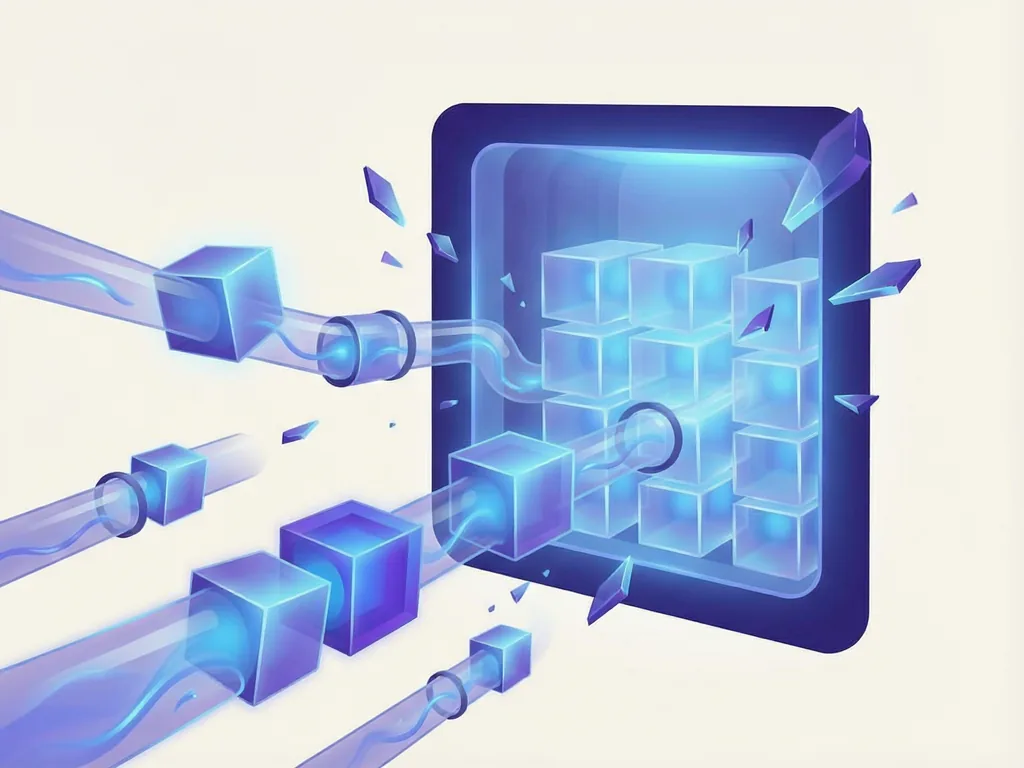
Featured image: abstract technology style memory network illustration, no real people, no company logos, no text.
Comments
No comments yet. Be the first to comment.