
Apple opens the door a little to Siri AI
Apple opened Siri AI to developers; Google, CrowdStrike, and AI agent tools reshaped control, security, and daily automation in November 2026.
Key Takeaways
- Apple opened a developer preview of Siri AI, allowing apps to add custom actions and multi-step skills, but consumer access is still months away.
- Google linked K-12 accounts to AI-inclusive Search, Gemini, and Notebook, raising concerns that AI-free schools may lose access to standard Search.
- CrowdStrike introduced an AI Kill Switch as security teams seek control over AI agents increasingly used in enterprise workflows.
- The broader shift is AI control moving from single vendors to developers, schools, security teams, and solo operators adopting agent-based tools.
Meta description: Apple opened Siri AI to developers, Google changed school Search, CrowdStrike added an AI Kill Switch, and agent tools gained funding on November 4, 2026.

Tags: Siri AI, Apple Intelligence, CrowdStrike, Google Search, AI agents

Featured image: Abstract technology style with glowing agent pathways and a shielded model link, no people, no logos, no text.
On November 4, 2026, The Rundown AI newsletter, written by Zach Mink and published with links to read online, sign up, and advertise, opened by greeting AI enthusiasts and welcoming 4,926 new readers. It reported that Apple had opened Siri AI to app developers, Google had tied school accounts to AI-inclusive Search, CrowdStrike had introduced an AI Kill Switch, and a cluster of enterprise tools, funding rounds, and workflows showed how AI agents were moving into daily operations. The day's developments mattered because they placed AI control less with single vendors and more with developers, school systems, security teams, and solo operators trying to keep up.
Background: Apple Cracks Open Siri AI
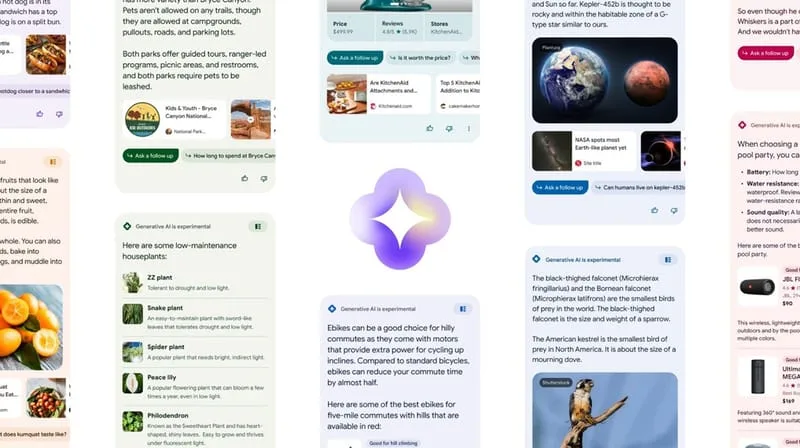
The newsletter framed the Apple story as the result of years of Apple Intelligence and one full Siri rebuild, yet said the iPhone still did not feel more like a device built for the AI era. The question it raised was whether letting other apps into the assistant could change that. Apple released a developer preview of Siri AI in its latest software betas, giving apps of any kind a way to build their own features into the assistant, though developers could only test it for now and customers were still months away.
Siri AI is Apple's rebuilt assistant, able to see a user's screen and read messages. It had been a waitlisted beta since iOS 27 shipped in September. Developers could now add their own actions instead of using only Apple's initial preset list of options, and they could teach Siri multi-step jobs through new skills. At that stage, app versions stayed with a developer's internal testers, App Store submissions were set to start in spring, and Apple said rules for developers would come later. None of it reached the App Store until spring, a timeline that could make the market a whole different AI era for a product already feeling generations behind.
The betas also brought China its first Apple Intelligence tools, minus Siri AI, and tested new Apple Watch tools that listen in the background to transcribe nearby talk. For readers, the significance was that Apple's notoriously closed ecosystem was allowing a real crack in its walled garden, but the work shifted to developers. Between Siri AI's confusing rollout and the progress other frontier labs had made in areas like computer use, the best AI features still felt a long way off for the world's most popular phone.
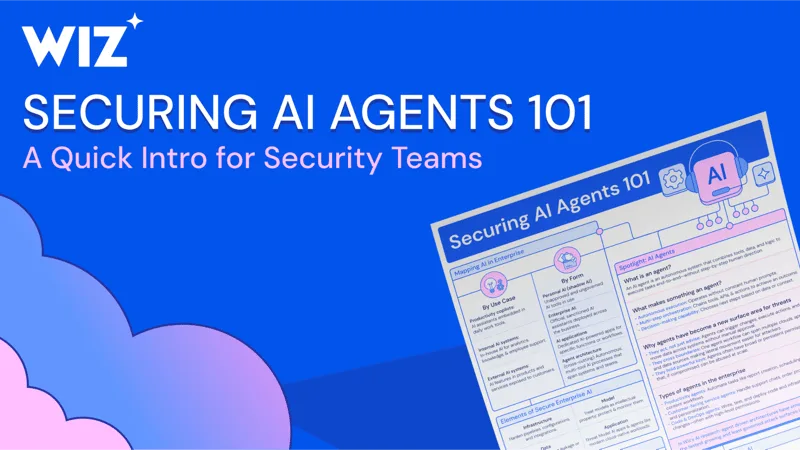
The newsletter also asked founders and solo operators doing the work of a whole team to submit AI workflows for possible features, listing outreach, invoicing, content, and customer replies as examples. It said AI agents were rapidly emerging across enterprise environments, powering automation, chaining tools, and acting across systems. A one-page resource called Securing AI Agents 101 was promoted to help teams build a clear understanding of what AI agents are, how they operate, and where key security considerations show up. It covered what makes an AI agent different from traditional tools, top risks from shadow AI to excessive permissions, and four key questions to assess agent usage and exposure.

Development: Schools, Studios, Slides, and Safeguards
Google announced that K-12 student accounts would start with Search, Gemini, and Gemini Notebook all off early next year, potentially forcing districts that want AI out of classrooms to also give up Google Search for their students. Education Vice President Chris Phillips said to The New York Times that "Search and A.I. are deeply integrated," and students at AI-free schools would see a notice that it was off. New York City and Los Angeles, the two largest U.S. districts, restricted AI for about 1 million students this semester, and Fairfax County, Virginia, built a plugin to hide Google's AI summaries. The announcement came one day after the November 2 deadline senators gave the company to answer questions about pushing AI into schools. Former Federal Trade Commission Chair Lina Khan said Google was using "its search monopoly to coerce schools" and would "punish those who don't fall in line." Google defended the move on X as "more choice, not less," but its post only described Search with AI Mode and AI Overviews, never without them.
The practical effect was that Google had essentially said out loud what the trend had shown: Google Search was AI search now, and schools were not getting the old version back. The awkward case would be AI-free districts where children used Chromebooks, turned in work through Classroom, and wrote in Docs, yet could not use Search.

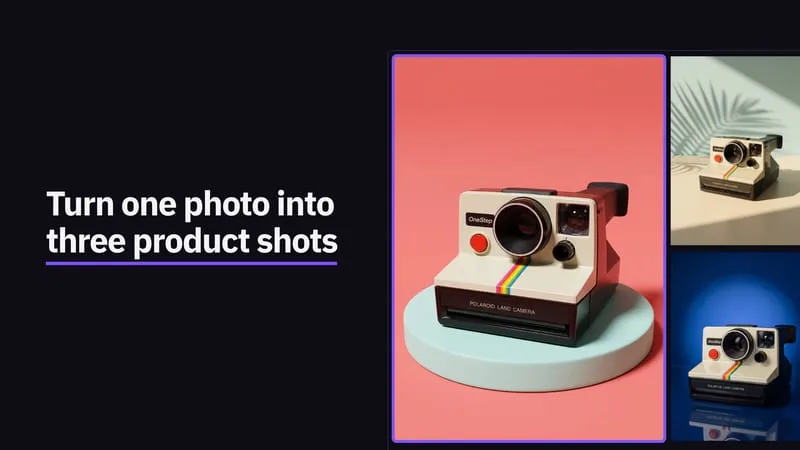
The day also included a production guide for turning one product photo into three studio shots. The guide used an image of a vintage Polaroid camera to build a product-shoot app in Runway, then created coral, sunlit, and blue-lit scenes and saved the app for repeat use. The steps were to save the guide's Polaroid photo and its credit, open Runway App Studio, check that the plan and credit balance supported a build, paste the build prompt to create an app with three shoot presets, and check the product upload, scene menu, and download controls before running it. The user then uploaded the original photo, listed camera details to preserve, made one coral studio shot, and inspected the lens, rainbow stripe, buttons, and lettering. The same photo was run through sunlit and blue-lit presets, keeping the camera's shape and viewpoint consistent, and each approved result was saved. The app was published for the user, all three downloads were opened, and the source credit plus a record of defects were kept with the set. The pro tip was to use the original product photo for every scene because starting from a flawed AI image can carry mistakes into the next shot. Full guide materials and files were available through The Rundown University.
For enterprise presentation work, the newsletter said teams building AI made their slides with Pitch and listed Perplexity, fal, Legora, Poolside, and Synthesia as companies creating and delivering presentations at scale. Pitch was described as an agentic presentation platform that could generate fully editable decks from a user's own templates so every slide stayed on brand, connect via MCP to personalize slides with data from customer relationship management systems or call notes, and nurture deals with custom pitch rooms while tracking buyer engagement through built-in analytics. The newsletter invited readers to try Pitch.
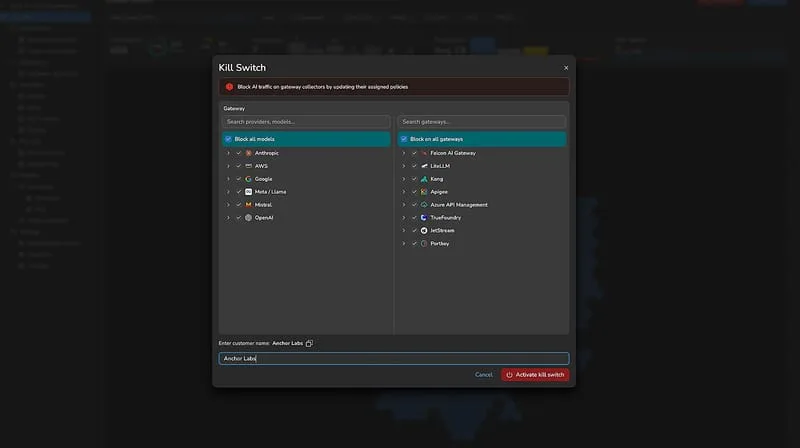
CrowdStrike, a cybersecurity firm, unveiled the AI Kill Switch, adding an emergency stop to its Falcon Guardian security platform for businesses worried about their AI agents going rogue. The switch targeted an agent's link to its AI model, not the model itself, while Falcon Guardian separately monitored tools like Claude Code and Codex. A human admin had to pull the trigger, every use was logged, and shutting agents down directly on work devices and in the cloud was coming soon. Chief Executive Officer George Kurtz explained it like a race car's brake, saying it sits outside the AI so an agent "can't argue with it, rewrite it, or wait it out." CrowdStrike was also buying monitoring firm Fiddler AI and security tester Dreadnode for a reported $495 million and had added Claude Cowork protection in beta.
Politicians had spent the summer fighting over an AI kill switch, with a pair of bills and a California executive order aimed at rogue AI agents. CrowdStrike brought the same concept to enterprises, where the likelier scenario was not a frontier model escaping a lab, but an agent holding the company's logins going off script.
Latest Progress: Workflows, Tools, Funding, and Coverage
Reader Erin Reid contributed a self-drafting timesheet workflow built with Claude: her advertising and marketing agency had been delayed by late timesheets that blocked accurate client billing, so she created a Claude project that reconstructed her week from tools she already used. It drafted time entries for her to review and approve before anything reached the system, which helped anyone who logged time after the fact and lost smaller tasks. The project searched emails she sent or replied to, calendar meetings, files edited in Google Drive, Slack threads she joined, work-related browsing, and Claude work sessions. It built a daily timeline, grouped related items into one block, and treated an email, a document edit, and a Slack thread about the same issue as one entry. The instructions required Claude never to invent work or pad hours, never to double-count, and to disclose any source it could not search. The result let her review entries that already had project codes and descriptions and surface work she had forgotten. The workflow was shown on the Community Workflow Hub, and the newsletter asked readers how they use AI for a chance to be featured.
Trending tools in the newsletter included Cube, listed as sponsored, which was described as the semantic layer for AI because Cube's AI builds a data model so every agent gets the same governed answer. ChatGPT Voice added a new Finances integration so users can talk to AI about money. Claude Duet was listed as Anthropic's Claude Opus 5.5-powered personal agent app. Siri AI was listed as Apple's overhauled AI assistant.
Other developments included a sponsored Redis live session on what it takes for agents to work in production and at scale with Redis Iris, with registration urged. OpenAI hired former Army Secretary Dan Driscoll as a national security counselor, and Driscoll said he was joining to "help the United States and our allies put this technology to work responsibly, for the people who keep us safe." AI image and video model hosting platform fal raised $1.3 billion in new funding, doubling its April valuation to $16 billion. Anthropic and university researchers used Claude to help build FlashProve, an open-source way to prove which model wrote an answer through cryptographic proofs.
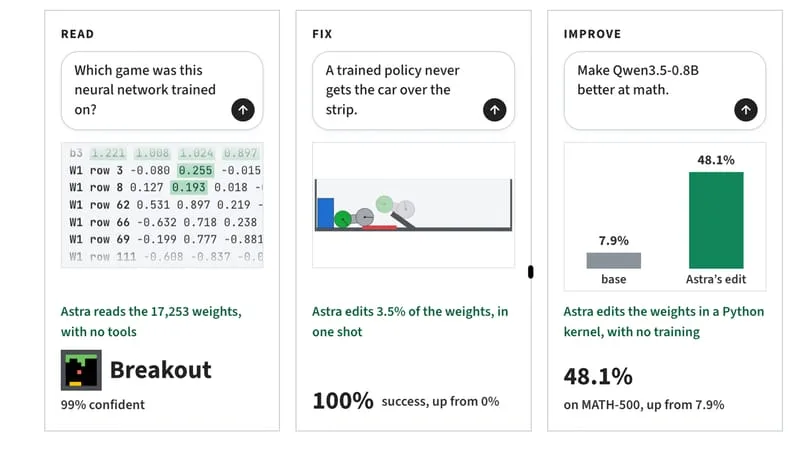
The newsletter's highlights pointed to recent coverage: MIT shows AI improving AI, no training required; Apple can't build enough iPhone Duos; and Meta builds its first humanoid robot. It promoted the day's AI tool guide on turning one product photo into three studio shots and an RSVP for the next workshop on November 11, Use Claude to its full potential. Recent newsletters included Bing on steroids? by Rowan Cheung in 2 minutes, AI backlash heads to the polls by Zach Mink in 8 minutes, and The Rise of a New ChatGPT Competitor by Rowan Cheung in 4 minutes.
What to Watch: The Stage Reached on November 4, 2026
By the end of the day's reporting, the stage was clear: Apple had opened Siri AI to developers but had not opened the App Store to the public until spring; Google had made AI presence inseparable from Search for K-12 accounts starting early next year; CrowdStrike had moved the kill switch debate from policy into enterprise security products; Runway and Pitch showed agent-style tools entering design and sales workflows; and funding, hiring, and open-source proof tools were arriving alongside them. Under the sign-off Stay Ahead on AI, The Rundown AI said more than 3,500,000 readers received bite-size AI news updates straight to their inbox every morning, and that the newsletter was 100% free. The edition was signed by Rowan, Zach, Shubham, Jennifer, and Nate, the humans behind The Rundown.
Comments
No comments yet. Be the first to comment.