
Here is how to study a rapidly melting climate disaster.
A 2013 Denali fire shows Arctic wildfires deepen permafrost thaw and carbon release, warning of stronger climate feedbacks than models predict.
Key Points
- The 2013 Denali tundra fire provided a rare before-and-after dataset because it crossed pre-established research plots, allowing scientists to study how fire affects permafrost and carbon storage.
- Severe fires stripped away insulating vegetation and topsoil, deepening the thawed active layer and accelerating permafrost degradation in some areas.
- Fire outcomes vary by location and severity: some burns can promote carbon-absorbing plant regrowth, while others release large amounts of stored carbon and methane.
- Abrupt permafrost thaw and worsening fires may push global warming past 2°C faster than many climate models predict, as much of the Arctic-boreal region shifts from a carbon sink to a carbon source.
- Ongoing field and laboratory analyses aim to quantify how quickly burned soils recover and how much carbon they continue to release.
A lightning-triggered fire that burned nearly 35,000 acres of Alaskan tundra in 2013 has given scientists an unprecedented window into how worsening Arctic-boreal wildfires interact with thawing permafrost to release stored carbon—and the findings suggest these feedback effects may push warming faster than major climate models currently predict.
Background: A Rare Pre-Fire Snapshot
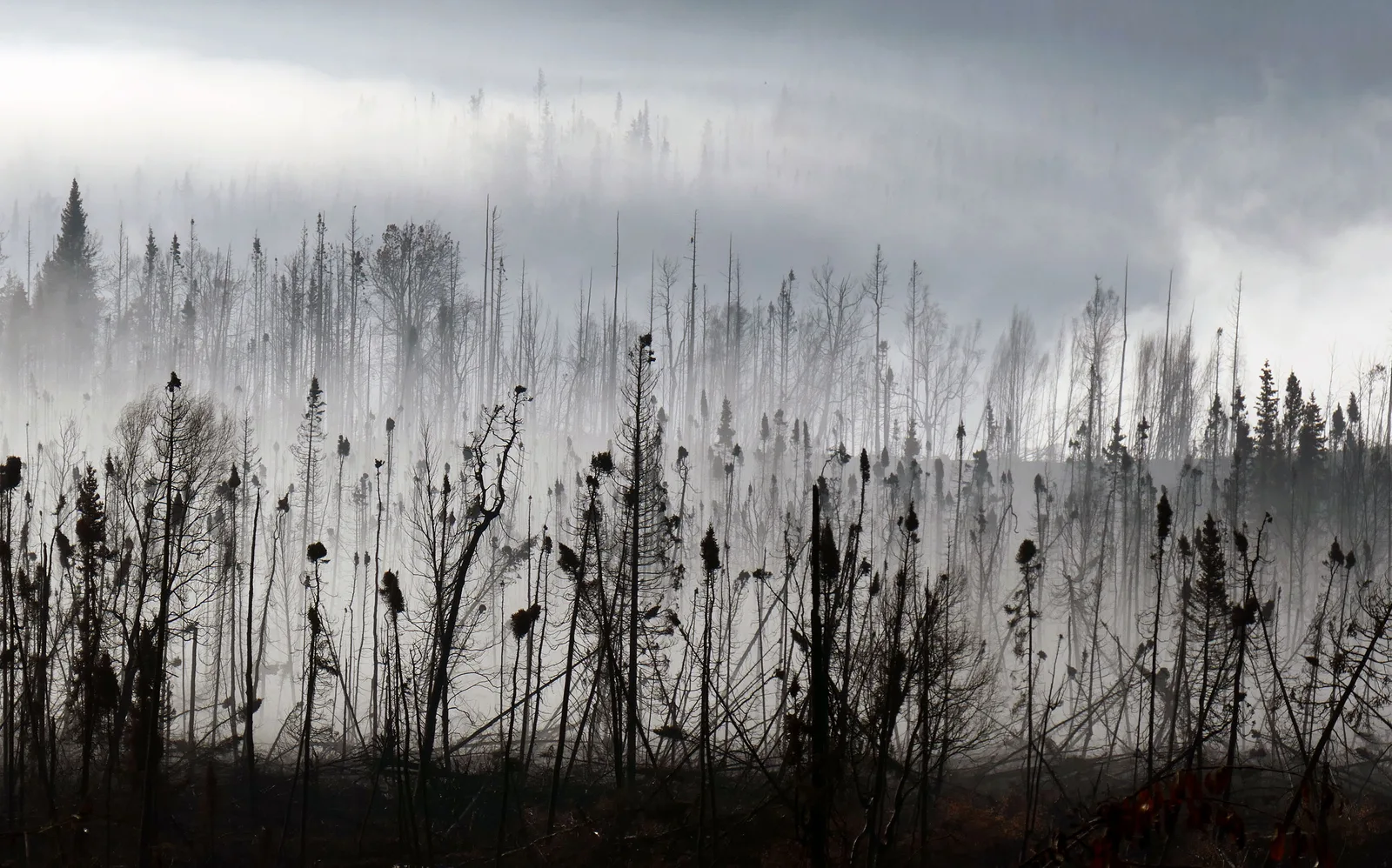
In late June 2013, a lightning strike ignited a blaze in the northern backcountry of Denali National Park, an area of mostly treeless tundra. Intense downslope winds known as Chinooks—created as moist ocean air crosses and then descends the Alaska Range—drove the fire across nearly 35,000 acres. It burned through much of the vegetation and deep into the topsoil, stripping away the insulating layer that protects permafrost, the frozen carbon storehouse underlying 85% of Alaska.
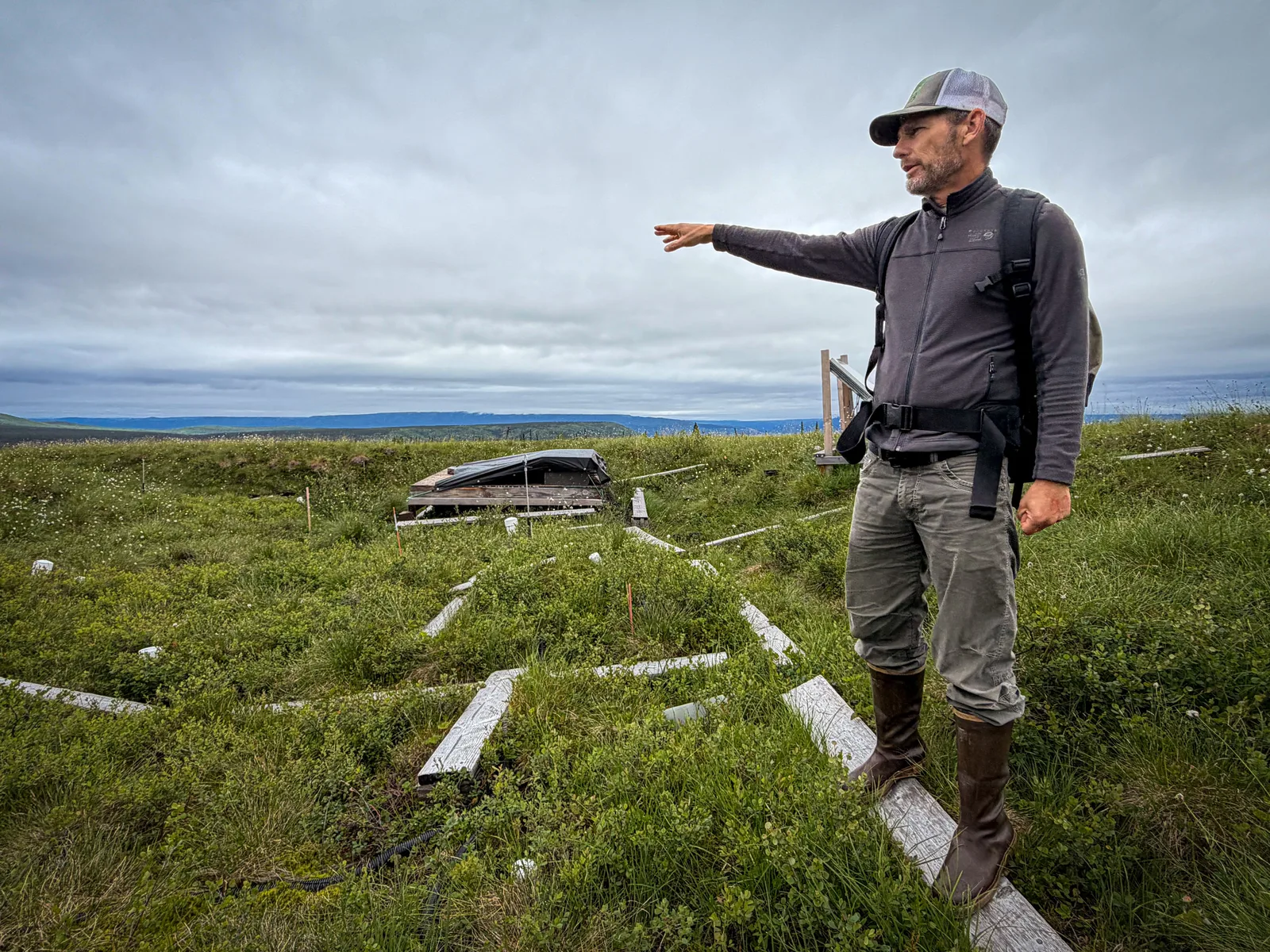
Critically, the fire crossed two sets of survey grids that the National Park Service had established in 2001, including one plot where researchers from Northern Arizona University would later work. That pre-fire snapshot offered a rare opportunity to study how the blaze altered vegetation, carbon, and permafrost over time, according to Xanthe Walker, one of the project's principal investigators.
Development: What the Surveys Found
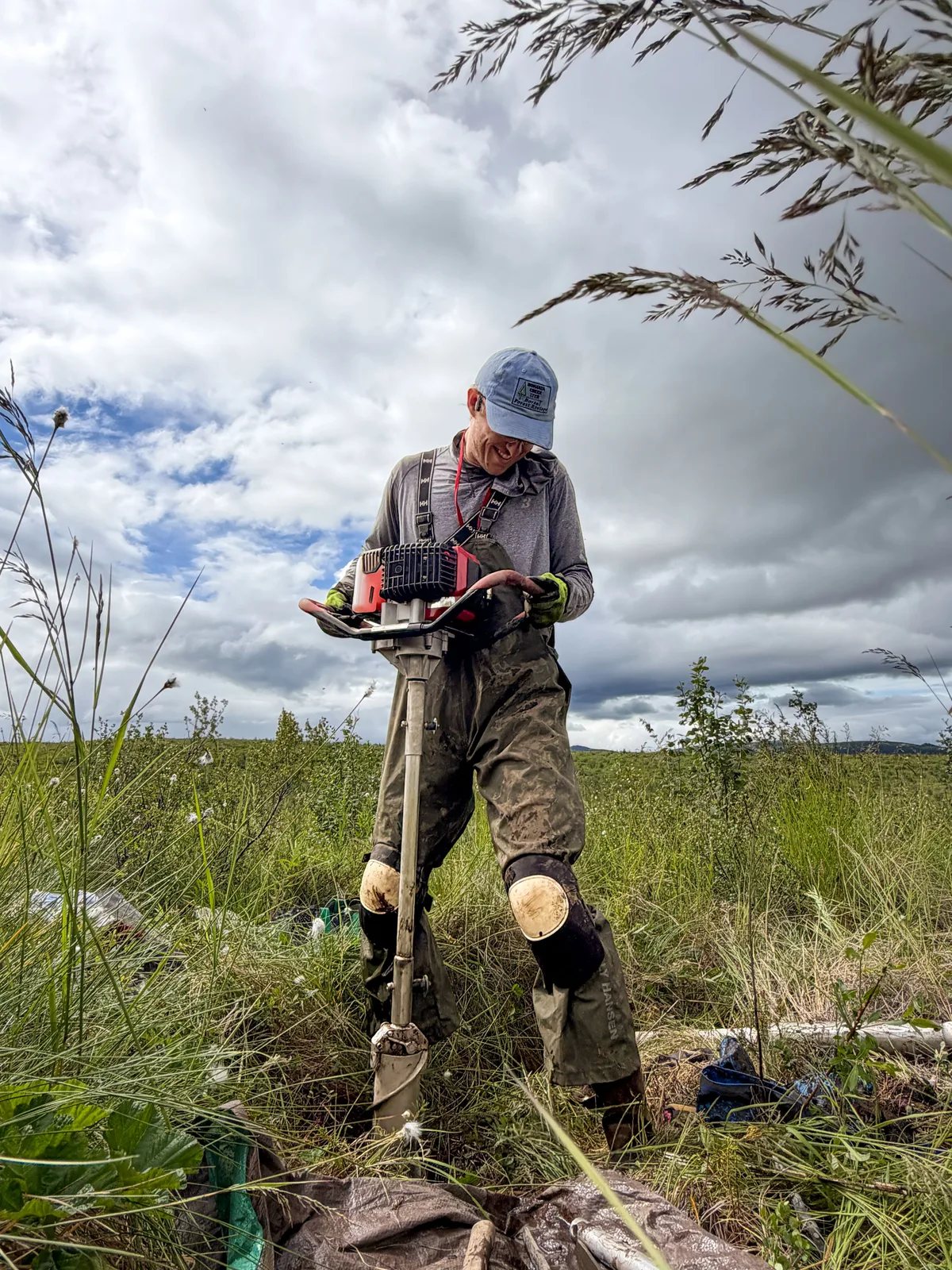
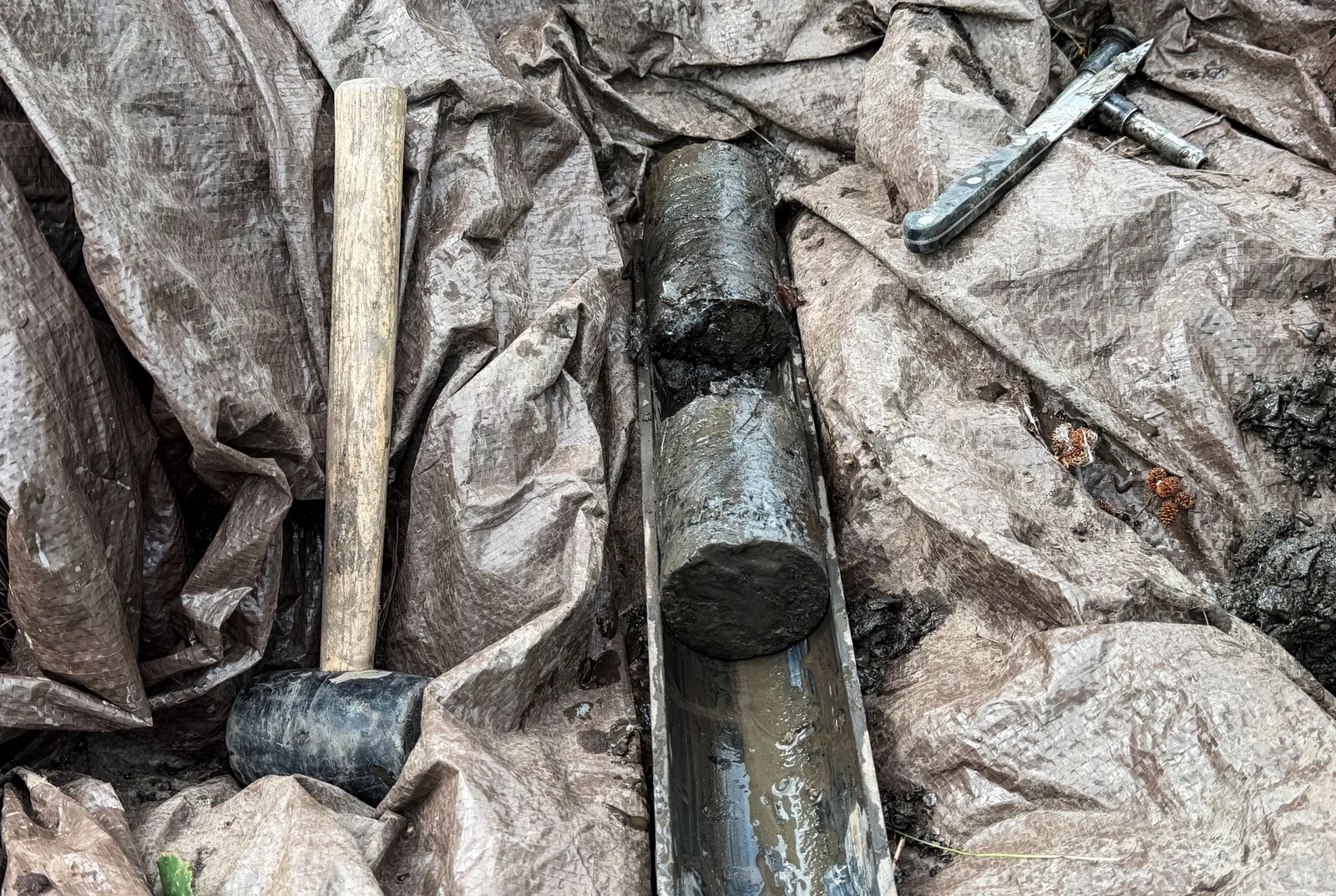
During their first post-fire survey in 2016, the researchers found that where the fire burned hottest and deepest, the thawed soil layer above the permafrost—known as the active layer—extended between a foot and nearly two feet deeper than in plots outside the burn scar, an indication of deep thawing. In early July, graduate student Andrew Haverdink was part of a team collecting permafrost cores and soil samples from the research plot, divided by surveyor's tape stretched across tussocks, alders, and fireweed.
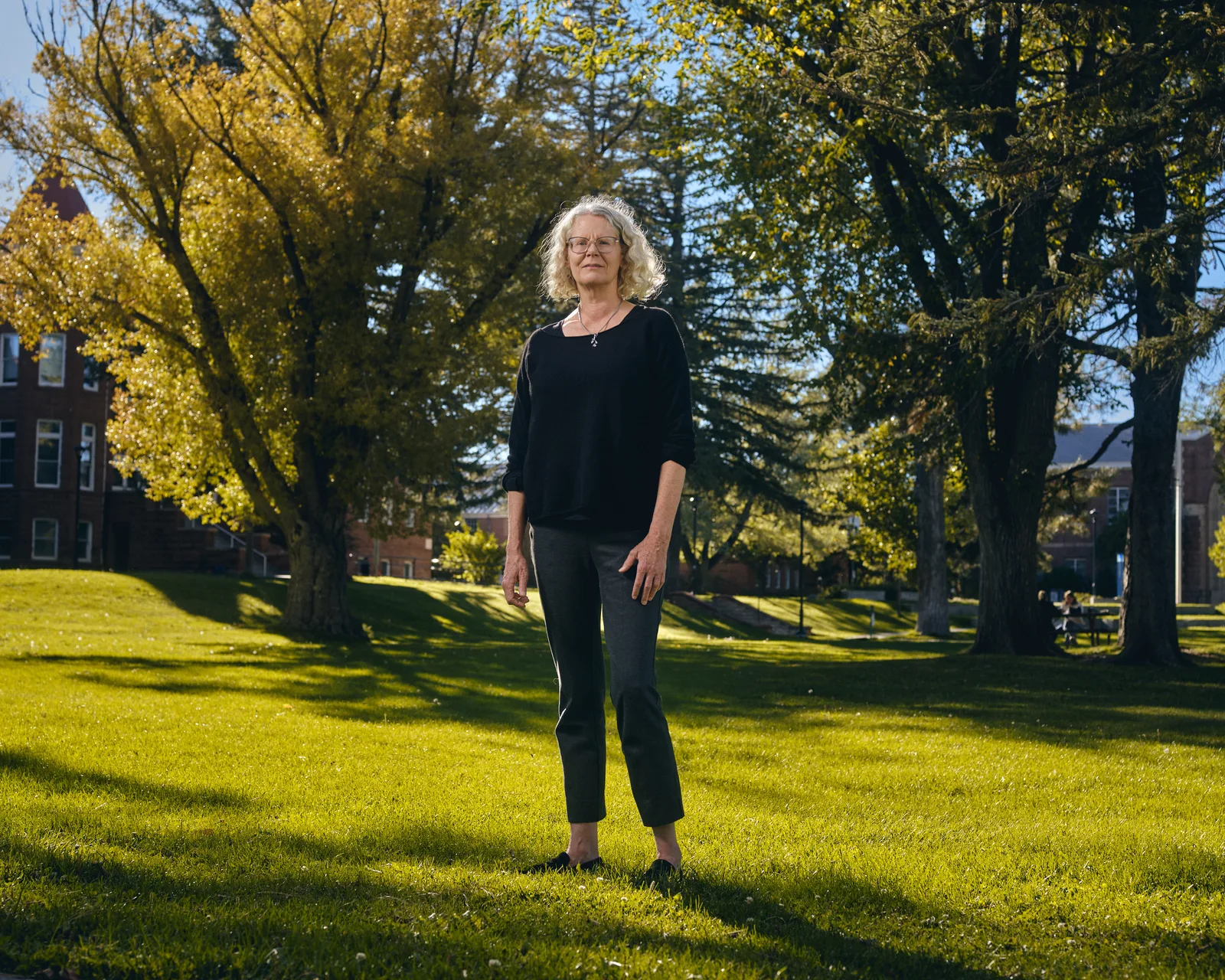
The Northern Arizona group, led by ecosystem ecology professor Michelle Mack and her frequent collaborator Ted Schuur, has spent two decades conducting repeat surveys on fire sites across Alaskan forests and tundras, from the relatively warm southern interior to the frigid North Slope. Their broader body of work reveals a complicated picture: outcomes depend heavily on local climate, fire severity, permafrost type, and other factors.
In one early study, the researchers surveyed dozens of black spruce stands after a series of large boreal fires in 2004 between the Brooks Range and the Alaska Range. They found that severe burns that consumed much of the decaying organic matter in the topsoil shifted sites toward faster-growing, less flammable deciduous trees. Those deciduous-dominated sites stored about five times as much soil carbon as stands that returned to black spruce, the team noted in a 2021 Science paper—meaning subsequent carbon uptake "more than compensated" for emissions from the initial fire, Walker says.
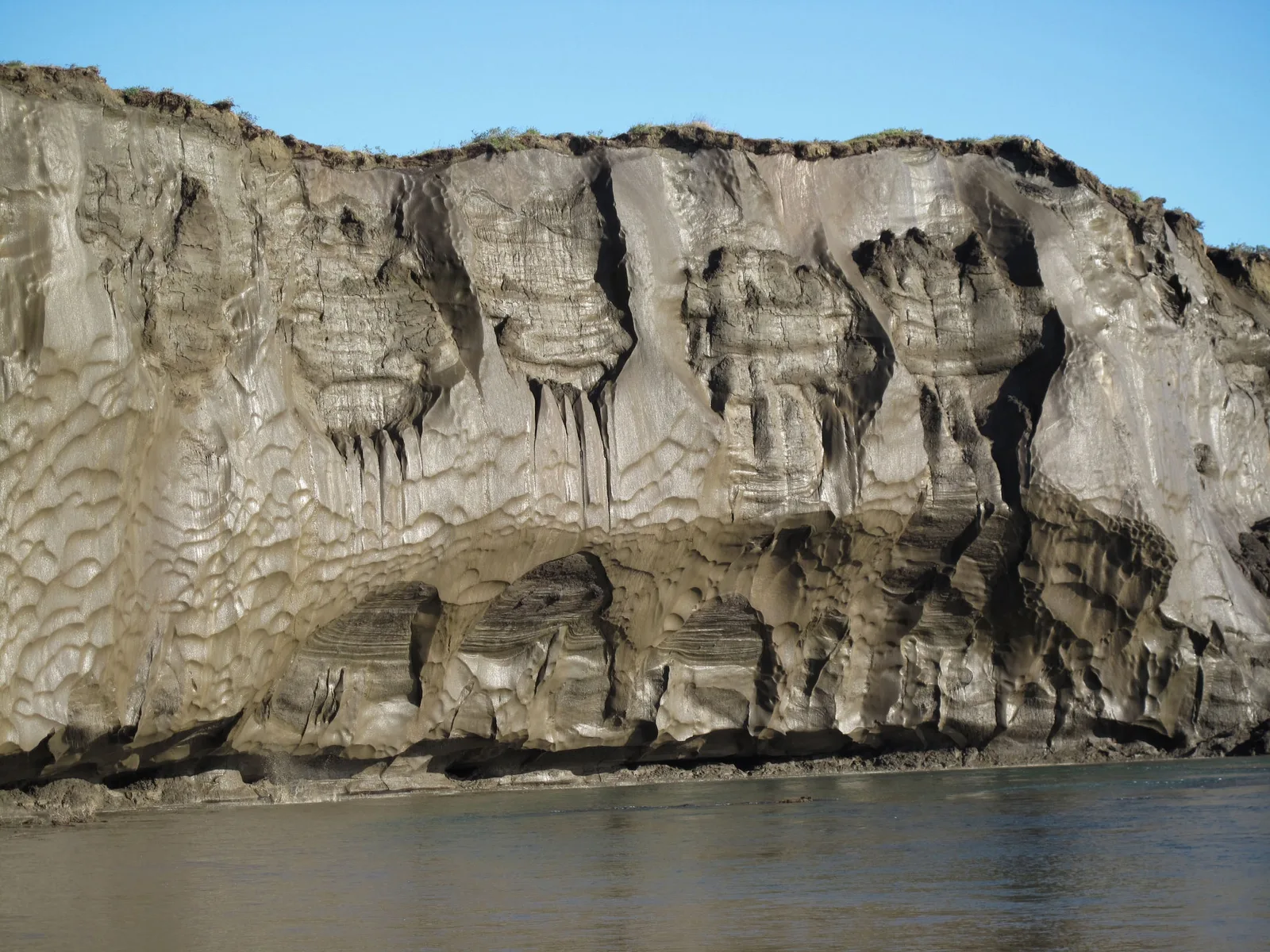
The 2007 Anaktuvuk River tundra fire, still the largest on record in Alaska's North Slope, tells a different story. Mack, Schuur, and coauthors found the fire released more than 2 million tons of carbon to the atmosphere, essentially negating the amount tundra ecosystems worldwide removed from the air that year. Subsequent studies found more than a third of the scorched landscape sank, slid, and crumpled as ice wedges below collapsed—telltale signs of abrupt permafrost thaw. Nearly two decades later, much of that thawed, decaying organic matter continues to release carbon dioxide and methane in the most severely burned patches, according to Adrian Rocha, an associate professor at the University of Notre Dame, who monitors the site using Eddy covariance flux towers that measure greenhouse gas exchange between Earth and atmosphere.
The Permafrost Carbon Stakes
Permafrost covers 15% of the Northern Hemisphere's land surface and holds about 1.5 trillion tons of carbon, roughly twice the amount in the atmosphere. Most formed during the last ice age, but it has been thawing at an accelerating rate over the past half-century amid rising temperatures and worsening fires. As it melts, microbes break down organic matter and release carbon dioxide and methane, both potent greenhouse gases.
Scientists have long debated whether soil carbon losses or carbon uptake from "Arctic greening"—the spread of carbon-absorbing plants as temperatures rise—would dominate greenhouse gas exchange over coming centuries. Past modeling suggested expanding vegetation could largely offset carbon released from warming soils and melting permafrost, at least over long periods and under moderate warming. But improved observations have revealed worrisome signs. A 2020 paper found that abrupt thaw could release far more carbon than previously understood, doubling emissions from thawing permafrost and offsetting future plant carbon uptake.
Susan Natali, an Arctic climate scientist at the Woodwell Climate Research Center, and colleagues have concluded in several recent papers that combined emissions from these feedback effects will push the planet past 2 °C faster than currently predicted. They also found that about 40% of the Arctic-boreal zone has already flipped from a carbon sink into a carbon source when permafrost melting, fires, and other forces are accounted for.
"The more we learn about processes like abrupt thaw, deeper-burning fires, and cold-season emissions, and the more we see disturbances increasing, the more likely it is that the sink will weaken and source areas will expand," Natali said in an email.
Latest Progress: Laboratory Analysis Underway
The Northern Arizona team shipped a pallet of soil samples back from Denali, including plugs of moss and decaying plant matter known as "brownies," permafrost cores, and samples of the unfrozen soil layer. They have since cut, dried, weighed, combusted, and analyzed samples and entered field and lab findings into databases. Walker says the team is exploring how much the top organic layer has recovered since the initial post-fire survey and how much carbon has been lost and recovered. Analysis is still underway, but at the most severely burned sites, the thawed soil layer above permafrost appears to remain deeper some 13 years after the fire.
Mack stresses that ground-level measurements are essential to understanding which ecosystems recover, which shift into new states, and when plant growth can offset carbon losses. Still, she says, the stakes are clear: "If we step back as ecosystem ecologists, we know that there's a lot more carbon stored below ground in permafrost than there is above ground in vegetation. If permafrost carbon is released, it could swamp all of these other interesting details."
What to Watch
The research underscores a central uncertainty in climate projections: whether Arctic greening can keep pace with carbon released by deeper-burning fires and abrupt permafrost thaw. As observations from Alaska's fire scars accumulate, they suggest the near-term balance is tilting toward emissions—a signal that future climate modeling will need to account for more precisely.
Comments
No comments yet. Be the first to comment.